
Oil Market Risks Escalate Amid Middle East Geopolitical Tensions
Geopolitical Tensions Fuel Uncertainty in Oil Markets
The oil market faces heightened risks as ongoing conflicts in the Middle East disrupt regional supply chains and production capabilities. Analysts warn that prolonged instability could strain global crude availability, mirroring challenges seen during the 1990-91 Gulf War. Recent escalations have already prompted some producers to reassess output levels, with OPEC+ members signaling cautious approaches to future production targets.
Historical Precedent and Modern Supply Concerns
Market participants are drawing parallels to the early 1990s, when regional conflicts led to a spike in oil prices to over $40 per barrel. Current concerns center on the Middle East’s refining infrastructure, which has become a focal point for disruptions. Attacks on key facilities have raised questions about the region’s ability to maintain refining capacity, a critical factor for global energy security.
Production Adjustments and Market Reactions
In May 2025, OPEC+ members metMET-- to discuss production cuts, with Saudi Arabia emphasizing the need to stabilize prices amid geopolitical volatility. The kingdom’s decision to reduce output by 500,000 barrels per day through year-end reflects broader efforts to balance supply and demand. However, traders caution that such measures may not fully offset risks tied to physical supply shortages.
Refining Capacity Under Strain
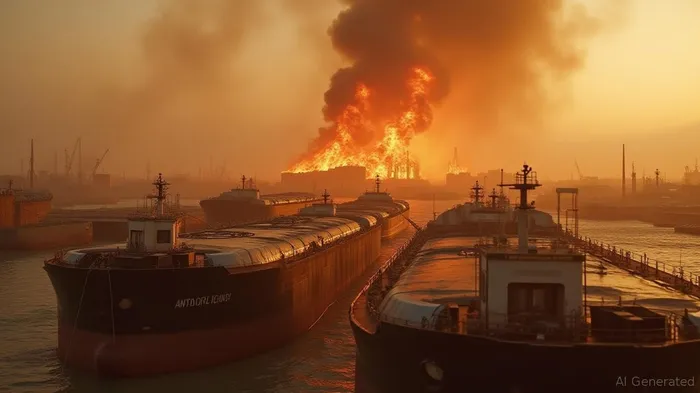
Middle Eastern refineries, which account for a significant share of global processing capacity, face mounting operational challenges. Recent sabotage incidents have damaged infrastructure, complicating efforts to refine crude into usable products. Analysts highlight that sustained damage could lead to bottlenecks, further squeezing global oil inventories.
Expert Outlook on Supply Risks
Industry experts warn that unresolved conflicts could trigger a supply crunch by late 2025, particularly if production disruptions escalate. While current prices remain relatively stable, prolonged instability may force buyers to seek alternatives, raising costs for industries reliant on Middle Eastern crude. Historical data underscores the region’s disproportionate influence on global energy dynamics, making its geopolitical climate a critical market concern.
Long-Term Implications for Energy Security
The market’s focus now centers on conflict resolution and infrastructure resilience. Producers are urged to prioritize contingency planning, while consumers brace for potential volatility. The coming months will test the resilience of supply chains amid an environment where even minor disruptions could amplify price pressures.
Conclusion: A Delicate Balance Ahead
As tensions persist, the oil market navigates a precarious equilibrium between geopolitical realities and economic demand. The Middle East’s role as a linchpin of global energy supply ensures that its stability will remain a focal point for traders and policymakers alike.







Comentarios
Aún no hay comentarios