
Oil Majors: Powering the Future
Generado por agente de IACyrus Cole
miércoles, 22 de enero de 2025, 7:26 pm ET2 min de lectura
BP--
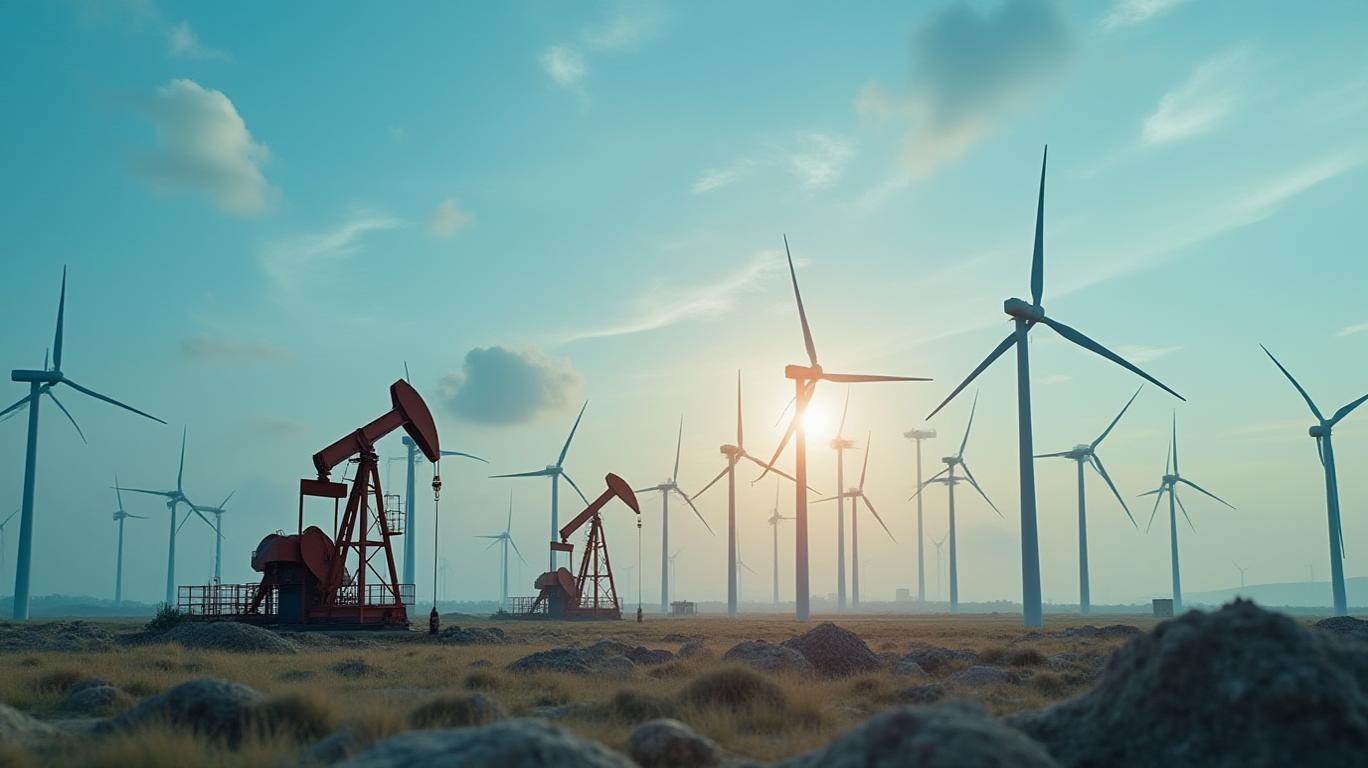
As the world transitions towards a lower-carbon energy system, oil majors are increasingly investing in the electricity sector. This shift is driven by a combination of factors, including regulatory pressures, evolving customer preferences, and the need to diversify revenue streams. Here, we explore the strategic choices of oil majors in diversifying into the power industry and the geopolitical dynamics influencing their investments.
Strategic Choices and Core Competencies
Oil majors are leveraging their core competencies and risk appetite to invest in the power industry. Their extensive experience in energy infrastructure development and management, substantial financial resources, and established relationships with energy customers and stakeholders enable them to enter the electricity market. For instance, Shell's acquisition of First Utility and NewMotion allowed it to enter the electricity retail and charging infrastructure markets, utilizing its existing customer base and distribution networks (Source: The Guardian, 2017).
However, oil majors also face challenges and risks, such as competition from established power companies and new entrants, regulatory uncertainties, and changing customer preferences. The success of these investments has been mixed, with some oil majors struggling to achieve their targets (Source: Matthias J Pickl, 2019).
Geopolitical Dynamics and Regulatory Environments
Geopolitical dynamics and regulatory environments significantly influence the pace and scale of oil majors' investments in the electricity sector. Governments play a crucial role in shaping the energy transition by setting regulatory targets and incentives. For example, the European Union's Green Deal and the Paris Agreement have encouraged oil majors like Shell and BP to invest more in renewable energy. In contrast, the lack of stringent climate policies in the United States has led American oil majors like ExxonMobil and Chevron to focus more on their core oil and gas businesses (van Benthem, 2022).
Carbon pricing mechanisms, such as carbon taxes or emissions trading systems, can incentivize oil majors to invest in low-carbon technologies. The introduction of the EU Emissions Trading System (ETS) has driven European oil majors to invest in renewable energy projects (Alova, 2022). However, the absence of a comprehensive carbon pricing mechanism in the United States has limited the incentives for American oil majors to diversify into the electricity sector.
Policy uncertainty can hinder oil majors' investments in the electricity sector. For instance, the Trump administration's rollback of Obama-era climate regulations created uncertainty for American oil majors, making them more cautious about investing in renewable energy (Alova, 2022). Conversely, the Biden administration's re-engagement with the Paris Agreement and commitment to a green recovery has provided more clarity and encouragement for American oil majors to invest in clean energy.
Potential Implications for Global Energy Markets
The pace and scale of oil majors' investments in the electricity sector can have significant implications for global energy markets. Increased investments in renewable energy by European oil majors have contributed to the growth of the global wind and solar power industries, driving down costs and accelerating the energy transition (IRENA, 2021). Conversely, the slower pace of American oil majors' investments in renewable energy has limited the United States' competitiveness in the global clean energy market.
In conclusion, oil majors are increasingly investing in the electricity sector, driven by strategic choices that align with their core competencies and risk appetite, as well as geopolitical dynamics and regulatory environments. By understanding these factors, policymakers can create more favorable conditions for oil majors to accelerate their investments in clean energy, ultimately contributing to a more sustainable and secure global energy system.
References:
Alova, G. (2022). Oil majors’ slow transition. Nature Energy, 7(6), 472-473.
IRENA. (2021). Global Renewables Outlook: Energy Transformation 2050.
van Benthem, A. (2022). The relationship between regional energy policy and oil company support for renewable power. Energy Policy Now podcast.
CVX--
SHEL--
XOM--
As the world transitions towards a lower-carbon energy system, oil majors are increasingly investing in the electricity sector. This shift is driven by a combination of factors, including regulatory pressures, evolving customer preferences, and the need to diversify revenue streams. Here, we explore the strategic choices of oil majors in diversifying into the power industry and the geopolitical dynamics influencing their investments.
Strategic Choices and Core Competencies
Oil majors are leveraging their core competencies and risk appetite to invest in the power industry. Their extensive experience in energy infrastructure development and management, substantial financial resources, and established relationships with energy customers and stakeholders enable them to enter the electricity market. For instance, Shell's acquisition of First Utility and NewMotion allowed it to enter the electricity retail and charging infrastructure markets, utilizing its existing customer base and distribution networks (Source: The Guardian, 2017).
However, oil majors also face challenges and risks, such as competition from established power companies and new entrants, regulatory uncertainties, and changing customer preferences. The success of these investments has been mixed, with some oil majors struggling to achieve their targets (Source: Matthias J Pickl, 2019).
Geopolitical Dynamics and Regulatory Environments
Geopolitical dynamics and regulatory environments significantly influence the pace and scale of oil majors' investments in the electricity sector. Governments play a crucial role in shaping the energy transition by setting regulatory targets and incentives. For example, the European Union's Green Deal and the Paris Agreement have encouraged oil majors like Shell and BP to invest more in renewable energy. In contrast, the lack of stringent climate policies in the United States has led American oil majors like ExxonMobil and Chevron to focus more on their core oil and gas businesses (van Benthem, 2022).
Carbon pricing mechanisms, such as carbon taxes or emissions trading systems, can incentivize oil majors to invest in low-carbon technologies. The introduction of the EU Emissions Trading System (ETS) has driven European oil majors to invest in renewable energy projects (Alova, 2022). However, the absence of a comprehensive carbon pricing mechanism in the United States has limited the incentives for American oil majors to diversify into the electricity sector.
Policy uncertainty can hinder oil majors' investments in the electricity sector. For instance, the Trump administration's rollback of Obama-era climate regulations created uncertainty for American oil majors, making them more cautious about investing in renewable energy (Alova, 2022). Conversely, the Biden administration's re-engagement with the Paris Agreement and commitment to a green recovery has provided more clarity and encouragement for American oil majors to invest in clean energy.
Potential Implications for Global Energy Markets
The pace and scale of oil majors' investments in the electricity sector can have significant implications for global energy markets. Increased investments in renewable energy by European oil majors have contributed to the growth of the global wind and solar power industries, driving down costs and accelerating the energy transition (IRENA, 2021). Conversely, the slower pace of American oil majors' investments in renewable energy has limited the United States' competitiveness in the global clean energy market.
In conclusion, oil majors are increasingly investing in the electricity sector, driven by strategic choices that align with their core competencies and risk appetite, as well as geopolitical dynamics and regulatory environments. By understanding these factors, policymakers can create more favorable conditions for oil majors to accelerate their investments in clean energy, ultimately contributing to a more sustainable and secure global energy system.
References:
Alova, G. (2022). Oil majors’ slow transition. Nature Energy, 7(6), 472-473.
IRENA. (2021). Global Renewables Outlook: Energy Transformation 2050.
van Benthem, A. (2022). The relationship between regional energy policy and oil company support for renewable power. Energy Policy Now podcast.

Divulgación editorial y transparencia de la IA: Ainvest News utiliza tecnología avanzada de Modelos de Lenguaje Largo (LLM) para sintetizar y analizar datos de mercado en tiempo real. Para garantizar los más altos estándares de integridad, cada artículo se somete a un riguroso proceso de verificación con participación humana.
Mientras la IA asiste en el procesamiento de datos y la redacción inicial, un miembro editorial profesional de Ainvest revisa, verifica y aprueba de forma independiente todo el contenido para garantizar su precisión y cumplimiento con los estándares editoriales de Ainvest Fintech Inc. Esta supervisión humana está diseñada para mitigar las alucinaciones de la IA y garantizar el contexto financiero.
Advertencia sobre inversiones: Este contenido se proporciona únicamente con fines informativos y no constituye asesoramiento profesional de inversión, legal o financiero. Los mercados conllevan riesgos inherentes. Se recomienda a los usuarios que realicen una investigación independiente o consulten a un asesor financiero certificado antes de tomar cualquier decisión. Ainvest Fintech Inc. se exime de toda responsabilidad por las acciones tomadas con base en esta información. ¿Encontró un error? Reportar un problema




Comentarios
Aún no hay comentarios