
Oil Jumps on Fresh U.S. Sanctions Against Russia
Generado por agente de IACyrus Cole
lunes, 13 de enero de 2025, 5:17 am ET1 min de lectura
EEFT--
Oil prices surged this week following the introduction of a fresh package of sanctions against Russia by the Biden administration. The sanctions, which focus on Russia's oil industry, have sent crude prices to their highest levels in four months. At the time of writing, Brent crude was trading at $81.11 per barrel, with West Texas Intermediate at $78.08 per barrel, both up by over 1% since opening today.
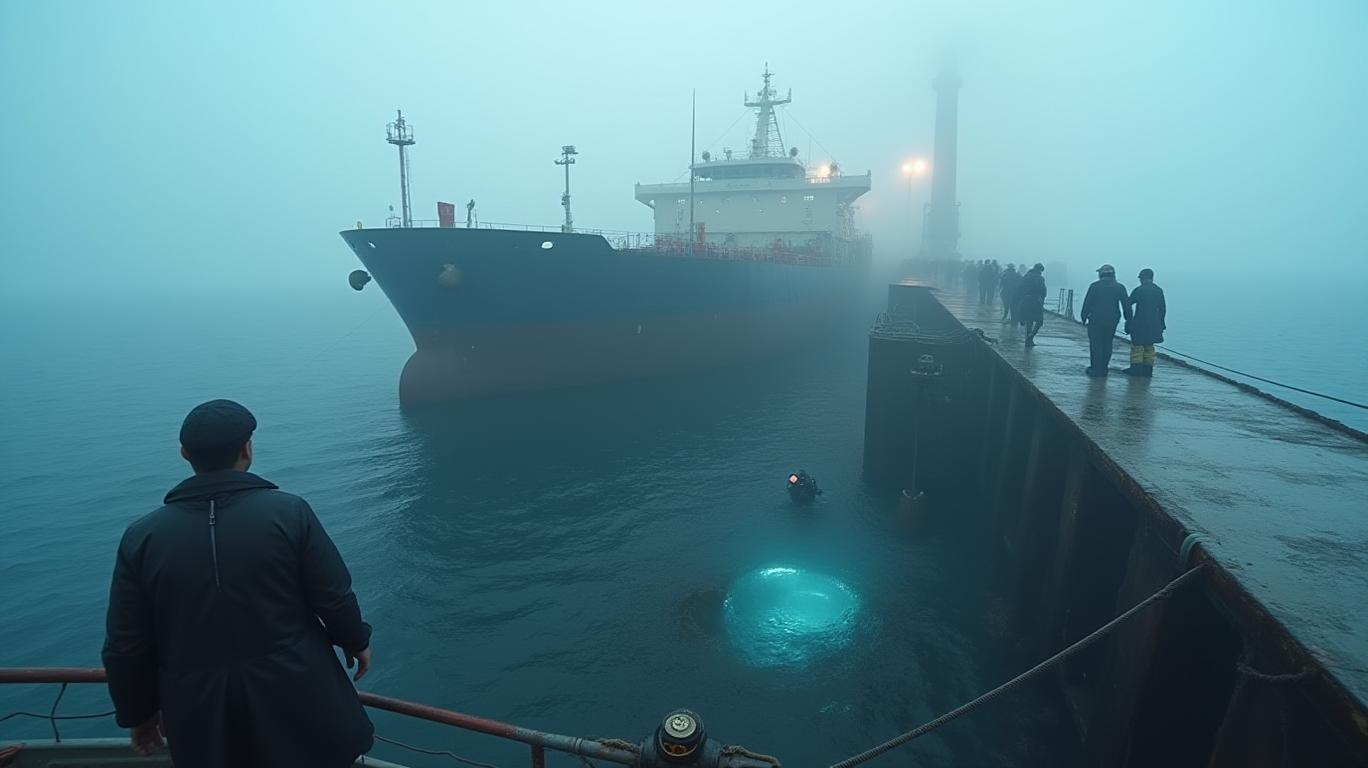
The new sanctions package, reported to be the harshest yet, includes measures targeting Russia's oil industry. The U.S. Treasury has imposed sanctions on major Russian oil producers such as Gazprom Neft and Surgutneftegas, as well as on 183 tankers, many of which are part of Russia's so-called shadow fleet used to ship its oil abroad without having to use Western vessels or insurance. The sanctions are expected to significantly disrupt Russian oil exports, with some estimates suggesting that up to 1.5 million barrels per day of Russian crude could be affected.
The sanctions are also expected to have a significant impact on global supply and demand dynamics. The disruption in Russian oil exports may lead to increased demand for alternative suppliers, such as Saudi Arabia, Iraq, and the United States. This could result in price increases in the global oil market, as geopolitical events and supply disruptions have historically led to significant price fluctuations. Additionally, the sanctions may have implications for energy security, particularly in Europe, where Russia is a major supplier of fossil energy.
Asian buyers, particularly China and India, may adapt to the new sanctions on Russian oil in several ways to maintain their imports. They may increase their use of non-Western vessels and insurance, use alternative payment methods, negotiate long-term contracts with Russia, diversify their sources of supply, invest in additional refining capacity tailored to Russian crude, and engage in diplomatic efforts to lobby for sanctions relief or exemptions.
In conclusion, the latest U.S. sanctions on Russian oil exports are expected to have a significant impact on global supply and demand dynamics, potentially leading to supply disruptions, increased demand for alternative suppliers, price increases, and implications for energy security. Asian buyers may adapt to the new sanctions by employing a combination of strategies to maintain their Russian oil imports while mitigating the impact of sanctions.
FOSL--
Oil prices surged this week following the introduction of a fresh package of sanctions against Russia by the Biden administration. The sanctions, which focus on Russia's oil industry, have sent crude prices to their highest levels in four months. At the time of writing, Brent crude was trading at $81.11 per barrel, with West Texas Intermediate at $78.08 per barrel, both up by over 1% since opening today.
The new sanctions package, reported to be the harshest yet, includes measures targeting Russia's oil industry. The U.S. Treasury has imposed sanctions on major Russian oil producers such as Gazprom Neft and Surgutneftegas, as well as on 183 tankers, many of which are part of Russia's so-called shadow fleet used to ship its oil abroad without having to use Western vessels or insurance. The sanctions are expected to significantly disrupt Russian oil exports, with some estimates suggesting that up to 1.5 million barrels per day of Russian crude could be affected.
The sanctions are also expected to have a significant impact on global supply and demand dynamics. The disruption in Russian oil exports may lead to increased demand for alternative suppliers, such as Saudi Arabia, Iraq, and the United States. This could result in price increases in the global oil market, as geopolitical events and supply disruptions have historically led to significant price fluctuations. Additionally, the sanctions may have implications for energy security, particularly in Europe, where Russia is a major supplier of fossil energy.
Asian buyers, particularly China and India, may adapt to the new sanctions on Russian oil in several ways to maintain their imports. They may increase their use of non-Western vessels and insurance, use alternative payment methods, negotiate long-term contracts with Russia, diversify their sources of supply, invest in additional refining capacity tailored to Russian crude, and engage in diplomatic efforts to lobby for sanctions relief or exemptions.
In conclusion, the latest U.S. sanctions on Russian oil exports are expected to have a significant impact on global supply and demand dynamics, potentially leading to supply disruptions, increased demand for alternative suppliers, price increases, and implications for energy security. Asian buyers may adapt to the new sanctions by employing a combination of strategies to maintain their Russian oil imports while mitigating the impact of sanctions.

Divulgación editorial y transparencia de la IA: Ainvest News utiliza tecnología avanzada de Modelos de Lenguaje Largo (LLM) para sintetizar y analizar datos de mercado en tiempo real. Para garantizar los más altos estándares de integridad, cada artículo se somete a un riguroso proceso de verificación con participación humana.
Mientras la IA asiste en el procesamiento de datos y la redacción inicial, un miembro editorial profesional de Ainvest revisa, verifica y aprueba de forma independiente todo el contenido para garantizar su precisión y cumplimiento con los estándares editoriales de Ainvest Fintech Inc. Esta supervisión humana está diseñada para mitigar las alucinaciones de la IA y garantizar el contexto financiero.
Advertencia sobre inversiones: Este contenido se proporciona únicamente con fines informativos y no constituye asesoramiento profesional de inversión, legal o financiero. Los mercados conllevan riesgos inherentes. Se recomienda a los usuarios que realicen una investigación independiente o consulten a un asesor financiero certificado antes de tomar cualquier decisión. Ainvest Fintech Inc. se exime de toda responsabilidad por las acciones tomadas con base en esta información. ¿Encontró un error? Reportar un problema




Comentarios
Aún no hay comentarios