
Oil and Gas Industry's Green Gambit: Navigating Emission Reductions in a Shifting Regulatory Landscape
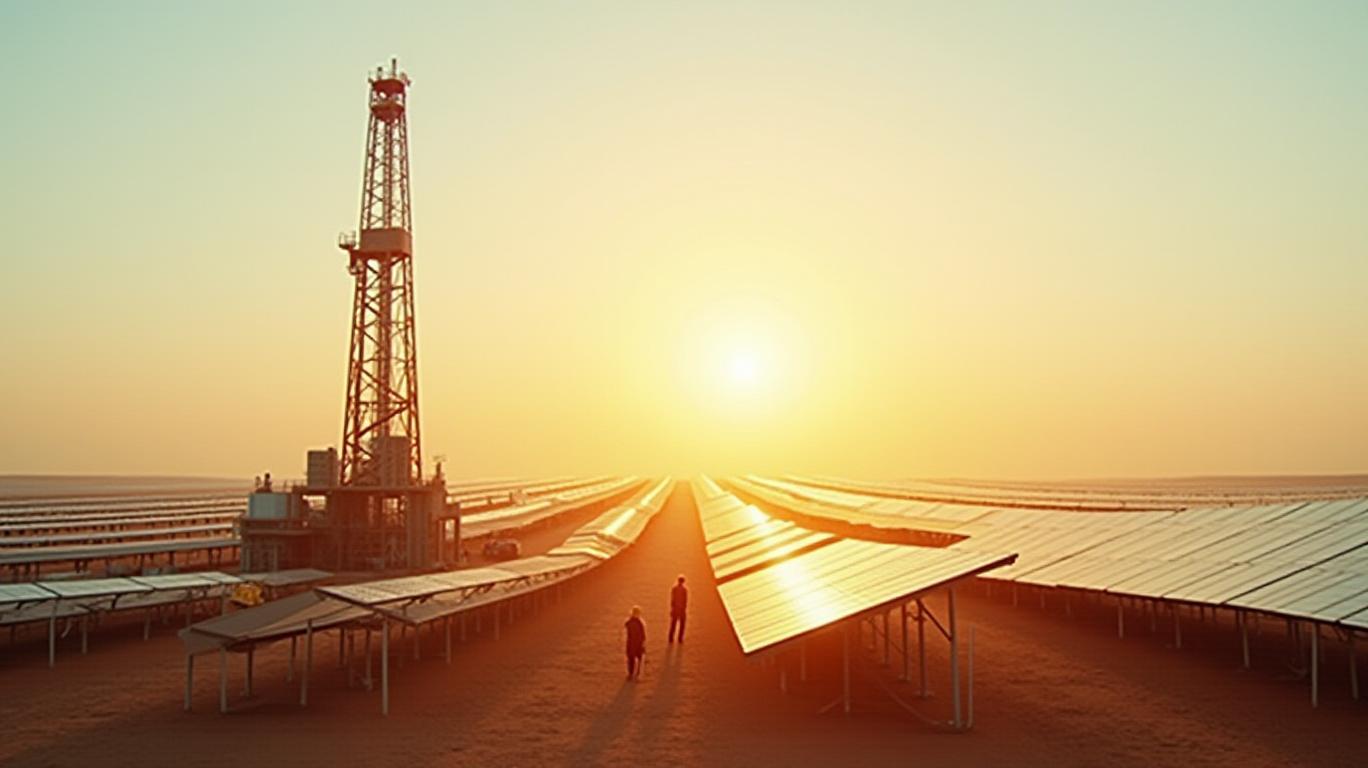
The oil and gas sector is undergoing a seismic shift. As governments worldwide tighten emission reduction targets and accelerate renewable energy adoption, companies must balance profitability with sustainability—or risk obsolescence. From methane regulations reshaping U.S. drilling to Middle Eastern megaprojects blending oil wealth with green ambitions, the path forward is fraught with complexity. Here’s what investors need to know.
Regulatory Pressures: Costs and Opportunities
The U.S. EPA’s methane rules, finalized in March 2024, require oil and gas firms to deploy advanced leak detection systems and upgrade infrastructure. While compliance could cost producers an estimated $1 billion annually industry-wide, early adopters like are positioning themselves to avoid future penalties. Meanwhile, California’s SB 1137 threatens production near residential areas, disproportionately impacting smaller operators.
Europe’s regulatory overreach is even starker. The EU’s Renewable Energy Directive III mandates 42.5% renewables by 2030, while its proposed 45% tariffs on Chinese EVs could strain global supply chains. “The EU’s policies are pushing companies to innovate or exit,” said one analyst.
Corporate Strategies: Partnerships and Pivot to Renewables
Major oil firms are hedging bets through strategic alliances. Chevron and Marathon Petroleum have partnered with agricultural giants like Corteva to secure biofuel feedstock, aligning with U.S. biofuel mandates. Similarly, SLB’s all-electric subsea infrastructure and Genvia’s clean hydrogen venture highlight the industry’s push into low-carbon tech.
National oil companies (NOCs) are leading the charge. ADNOC’s AI-driven efficiency gains—generating $500 million in 2023—demonstrate how digitalization can cut emissions and costs. Saudi Aramco and ADNOC are also investing in integrated refining-chemical-low-carbon projects, blending traditional hydrocarbon operations with renewables.
The Hydrogen Horizon
Hydrogen is emerging as a critical pivot point. The UAE’s target of 1.4 million tons of green and blue hydrogen by 2031 and Qatar’s world’s largest blue ammonia plant by 2026 signal a Middle Eastern green energy gold rush. Saudi Arabia’s NEOM project—a $500 billion zero-emission city—further underscores this shift.
Challenges Ahead: Fiscal Realities and Geopolitical Crosscurrents
Despite progress, risks loom large. Middle Eastern sovereign wealth funds have allocated $3.8 trillion to green assets, but low oil prices could stall projects. Permian Basin shale firms, for instance, now spend $0.15–$0.20/barrel on water management, down from $1/barrel a decade ago—a sign of efficiency gains but also of margin pressure.
Political volatility compounds uncertainty. President-elect Trump’s push for U.S. energy independence clashes with Europe’s decarbonization drive. China’s EV subsidies (targeting 50% electric vehicle sales by 2025) and strategic resource purchases further complicate global market dynamics.
Conclusion: Winners Will Be the Adapters
The oil and gas sector’s future hinges on agility. Firms like ADNOC, which leveraged AI for $500 million in efficiency savings, and SLB, with its hydrogen-focused ventures, are outpacing peers. Meanwhile, NOCs’ capital discipline—such as Saudi Arabia’s $100 billion+ investments in renewables—suggests a deliberate transition.
Investors should prioritize companies with diversified revenue streams, access to low-cost capital, and R&D commitments to CCUS and hydrogen. While short-term compliance costs may pressure margins, those navigating this transition strategically stand to benefit from long-term demand for both hydrocarbons and cleaner energy. As the UAE’s solar parks and Qatar’s ammonia plants illustrate, the race isn’t just about survival—it’s about redefining energy’s future.








Comentarios
Aún no hay comentarios