
U.S. Oil Gains Outpace Global Benchmark on Trump Tariff Threats
Generado por agente de IACyrus Cole
lunes, 3 de febrero de 2025, 2:18 am ET2 min de lectura
AP--
The U.S. oil market has been experiencing a surge in recent months, with gains outpacing global benchmarks like Brent crude. This trend can be attributed to several factors, including geopolitical tensions, trade disputes, and domestic energy policies. In this article, we will explore how these factors influence the U.S. oil market and discuss the potential implications for producers and consumers.
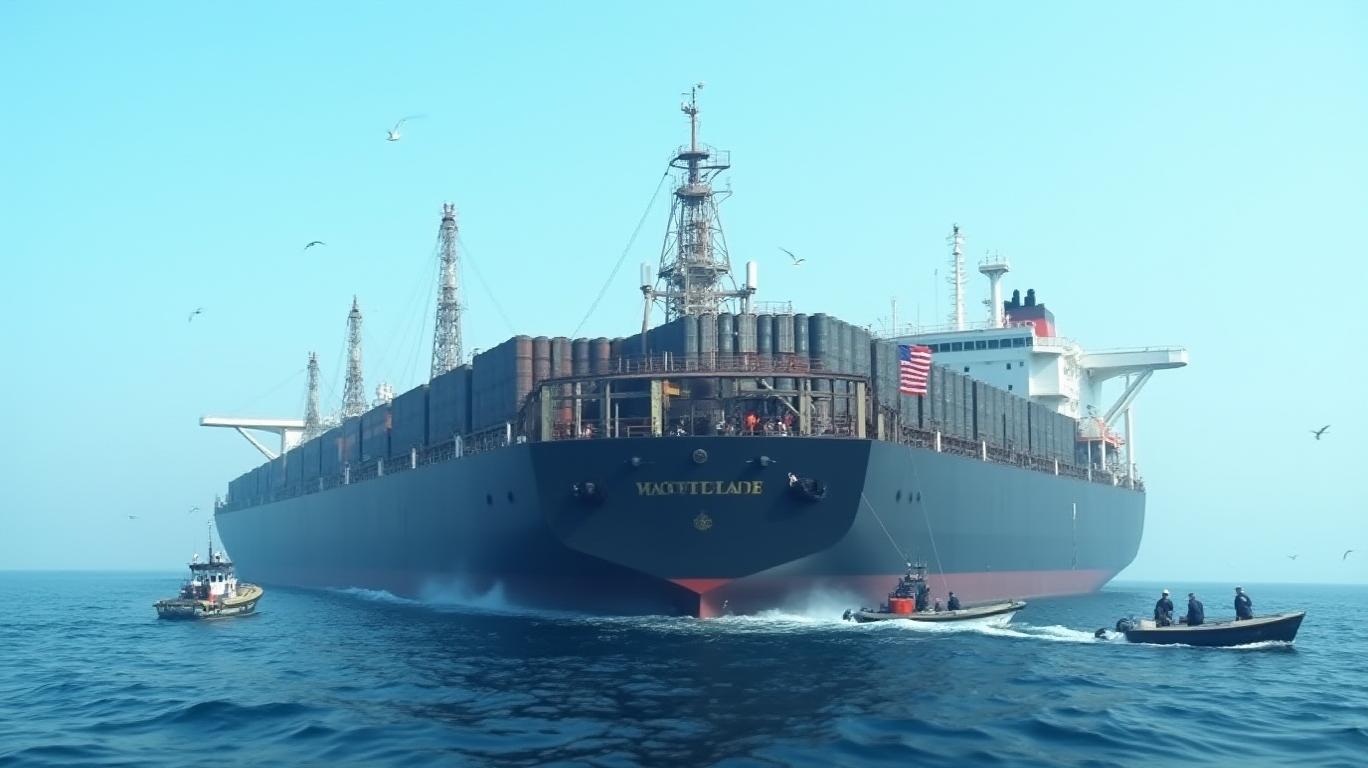
Geopolitical tensions and supply disruptions have been a significant driver of oil price volatility. In 2023, the United States produced more crude oil than any other country, averaging 12.9 million barrels per day (b/d). However, geopolitical tensions in the Middle East and Europe, as well as the threat of further sanctions on supplies from Iran and Russia, have supported crude oil prices (Source: EIA, March 11, 2024). These tensions can lead to increased volatility in oil prices, impacting U.S. oil producers and consumers.
Trade disputes and tariffs can also disrupt supply chains and affect oil prices. In the context of the U.S., President Trump's decision to impose tariffs on Canada, Mexico, and China could have significant implications for the oil market. For example, Canada is the largest supplier of crude oil to the U.S., providing more than 20% of U.S. refinery inputs. If tariffs are imposed on Canadian crude, it could lead to higher fuel costs in the Midwest by increasing prices or causing supply disruptions (Source: EIA, January 4, 2022). This could impact U.S. oil producers and consumers, as well as the broader energy market.
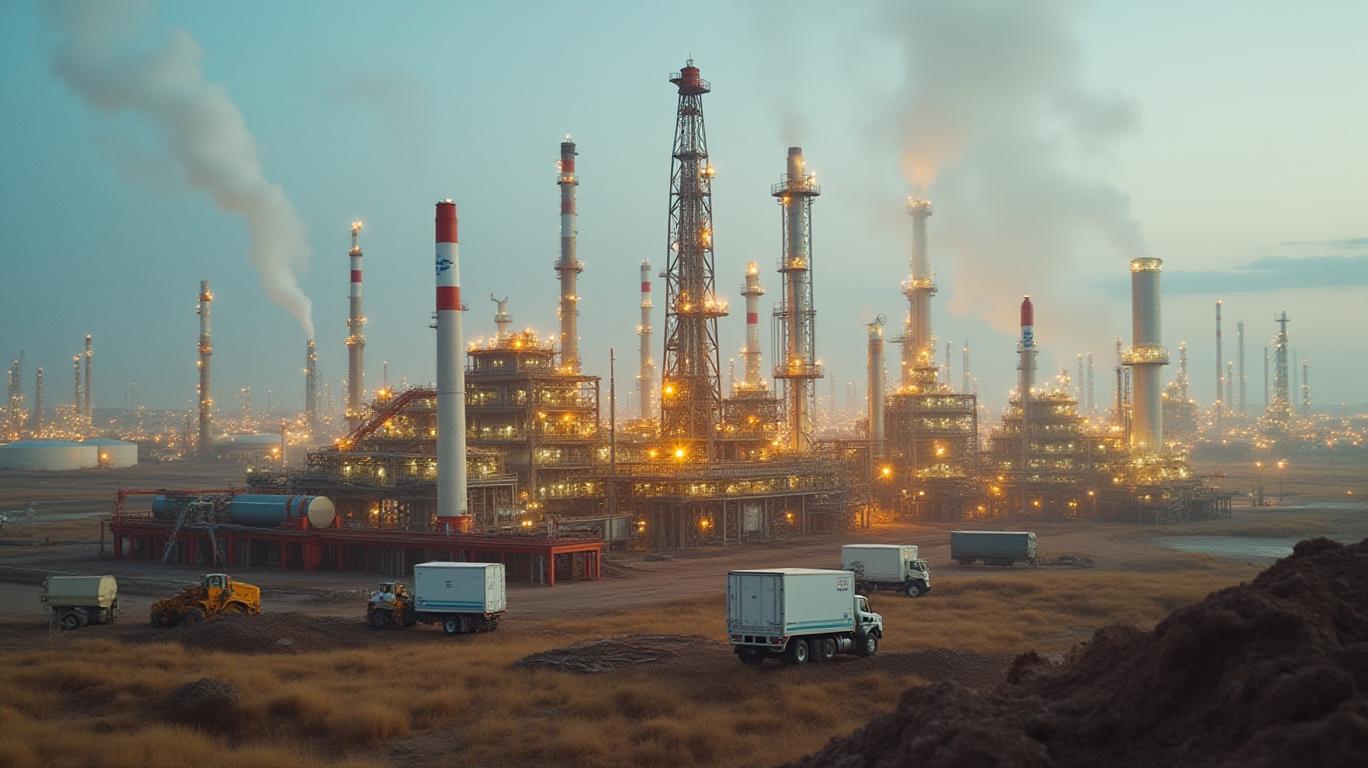
Retaliatory measures and market stability are also crucial factors to consider. In response to Trump's tariffs, Canada and Mexico have vowed retaliatory measures, which could disrupt energy trade and create market instability. This could lead to volatility in crude oil prices, impacting refineries and downstream fuel markets, especially for gasoline and diesel. Such instability could disrupt investments and planning in the sector, affecting U.S. oil producers and consumers (Source: AP, February 14, 2025).
U.S. energy policy and market dynamics are also essential factors to consider. Trump's broader energy policy, which focuses on maximizing U.S. oil production and rolling back regulations, could exacerbate market disruptions. Additionally, Trump's likely move to withdraw the U.S. from the 2015 Paris Agreement on climate change could have implications for renewable energy development and bulk fuel infrastructure, further impacting market dynamics (Source: EIA, January 4, 2022).
In conclusion, geopolitical tensions, trade disputes, and domestic energy policies significantly influence the U.S. oil market dynamics, with potential implications for U.S. oil producers and consumers. These factors can lead to increased volatility in oil prices, disrupt supply chains, and impact market stability, ultimately affecting the energy sector and consumers. As the U.S. oil market continues to evolve, investors and stakeholders should stay informed about these developments and adapt their strategies accordingly.
The U.S. oil market has been experiencing a surge in recent months, with gains outpacing global benchmarks like Brent crude. This trend can be attributed to several factors, including geopolitical tensions, trade disputes, and domestic energy policies. In this article, we will explore how these factors influence the U.S. oil market and discuss the potential implications for producers and consumers.
Geopolitical tensions and supply disruptions have been a significant driver of oil price volatility. In 2023, the United States produced more crude oil than any other country, averaging 12.9 million barrels per day (b/d). However, geopolitical tensions in the Middle East and Europe, as well as the threat of further sanctions on supplies from Iran and Russia, have supported crude oil prices (Source: EIA, March 11, 2024). These tensions can lead to increased volatility in oil prices, impacting U.S. oil producers and consumers.
Trade disputes and tariffs can also disrupt supply chains and affect oil prices. In the context of the U.S., President Trump's decision to impose tariffs on Canada, Mexico, and China could have significant implications for the oil market. For example, Canada is the largest supplier of crude oil to the U.S., providing more than 20% of U.S. refinery inputs. If tariffs are imposed on Canadian crude, it could lead to higher fuel costs in the Midwest by increasing prices or causing supply disruptions (Source: EIA, January 4, 2022). This could impact U.S. oil producers and consumers, as well as the broader energy market.
Retaliatory measures and market stability are also crucial factors to consider. In response to Trump's tariffs, Canada and Mexico have vowed retaliatory measures, which could disrupt energy trade and create market instability. This could lead to volatility in crude oil prices, impacting refineries and downstream fuel markets, especially for gasoline and diesel. Such instability could disrupt investments and planning in the sector, affecting U.S. oil producers and consumers (Source: AP, February 14, 2025).
U.S. energy policy and market dynamics are also essential factors to consider. Trump's broader energy policy, which focuses on maximizing U.S. oil production and rolling back regulations, could exacerbate market disruptions. Additionally, Trump's likely move to withdraw the U.S. from the 2015 Paris Agreement on climate change could have implications for renewable energy development and bulk fuel infrastructure, further impacting market dynamics (Source: EIA, January 4, 2022).
In conclusion, geopolitical tensions, trade disputes, and domestic energy policies significantly influence the U.S. oil market dynamics, with potential implications for U.S. oil producers and consumers. These factors can lead to increased volatility in oil prices, disrupt supply chains, and impact market stability, ultimately affecting the energy sector and consumers. As the U.S. oil market continues to evolve, investors and stakeholders should stay informed about these developments and adapt their strategies accordingly.

Divulgación editorial y transparencia de la IA: Ainvest News utiliza tecnología avanzada de Modelos de Lenguaje Largo (LLM) para sintetizar y analizar datos de mercado en tiempo real. Para garantizar los más altos estándares de integridad, cada artículo se somete a un riguroso proceso de verificación con participación humana.
Mientras la IA asiste en el procesamiento de datos y la redacción inicial, un miembro editorial profesional de Ainvest revisa, verifica y aprueba de forma independiente todo el contenido para garantizar su precisión y cumplimiento con los estándares editoriales de Ainvest Fintech Inc. Esta supervisión humana está diseñada para mitigar las alucinaciones de la IA y garantizar el contexto financiero.
Advertencia sobre inversiones: Este contenido se proporciona únicamente con fines informativos y no constituye asesoramiento profesional de inversión, legal o financiero. Los mercados conllevan riesgos inherentes. Se recomienda a los usuarios que realicen una investigación independiente o consulten a un asesor financiero certificado antes de tomar cualquier decisión. Ainvest Fintech Inc. se exime de toda responsabilidad por las acciones tomadas con base en esta información. ¿Encontró un error? Reportar un problema


SOBRE NOSOTROS
Nuestra historiaAutores de noticiasBase de conocimientosPolítica de privacidadTérmino de usoDescargo de responsabilidad de corretaje de tercerosTérminos de uso de AIMEDivulgaciones de riesgos de AInvest AICarrerasCONTÁCTENOS
Email: support@ainvest.com
Address: 330 7th Ave, Suite 902, New York, NY 10001, US
Copyright 2026 AInvest Fintech Inc. All rights reserved.


Comentarios
Aún no hay comentarios