
Oil Falls on Prospect of Trump Pushing Up Crude Supplies
Generado por agente de IATheodore Quinn
jueves, 23 de enero de 2025, 9:11 pm ET1 min de lectura
UPS--
Oil prices have been on a rollercoaster ride in recent months, with geopolitical tensions and market dynamics driving the ups and downs. As the new year begins, one factor that could significantly impact the oil market is the incoming U.S. President Donald Trump's energy policies. Trump has pledged to boost domestic oil production and deregulate the energy sector, which could lead to an increase in U.S. crude supplies. This, in turn, could weigh on oil prices and erode the market share of OPEC+ producers.
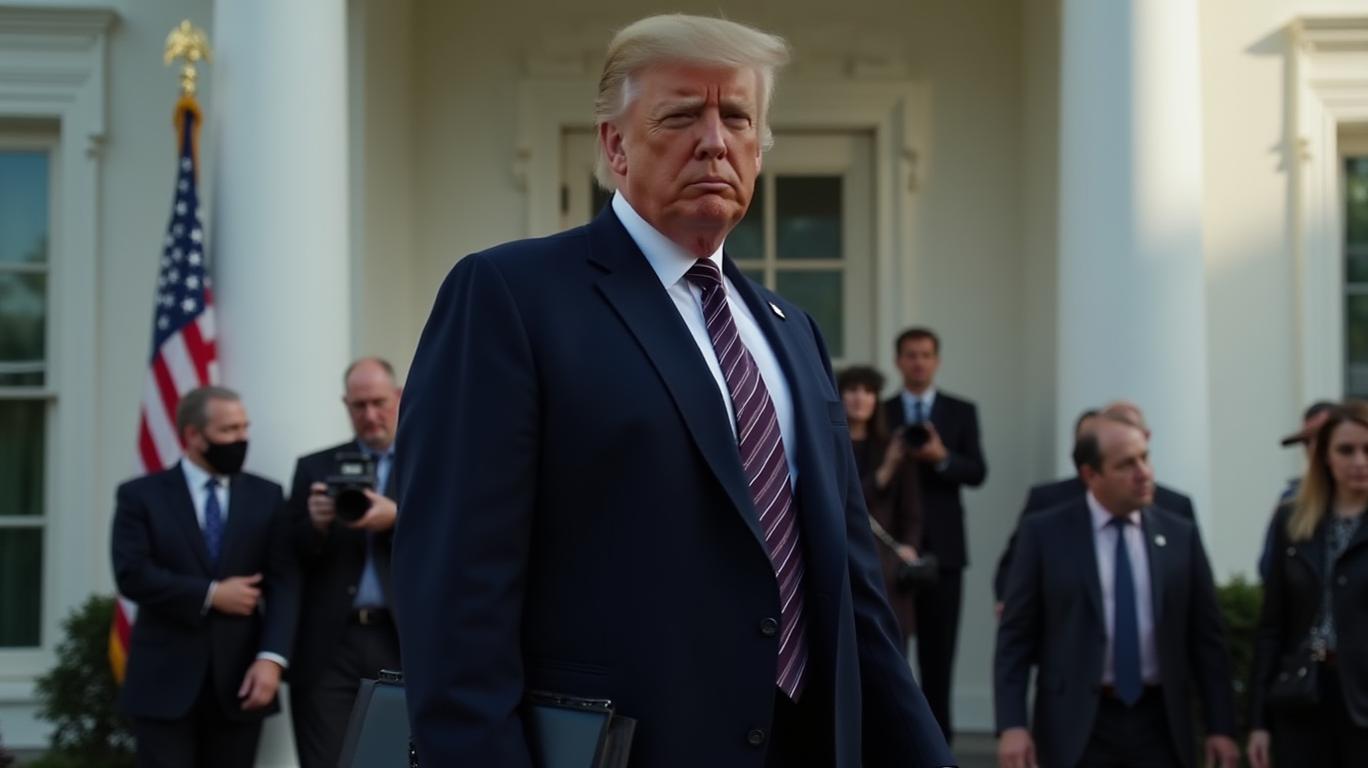
Trump's pro-drilling policies and deregulation could have long-term implications for U.S. oil production and global supply dynamics. The U.S. Energy Information Administration (EIA) projects that U.S. crude oil production will continue to rise in 2025, further challenging OPEC+'s market share. OPEC+ delegates have expressed concerns about the potential impact of increased U.S. production on global oil supply and prices. A delegate from an OPEC+ producer allied with the U.S. told Reuters, "We may see higher production in the United States, which is not good for us."
Stricter U.S. sanctions on Iran and Venezuela could also influence global oil supply and OPEC+ production strategies. During Trump's first term, U.S. sanctions on Iran led to a significant drop in Iranian oil production and exports. Stricter sanctions under Trump could again reduce Iran's oil exports, tightening global supply. This could open the door for Saudi Arabia and other OPEC+ producers to justify an increase in their supply, helping OPEC+ maintain its market share and support oil prices.
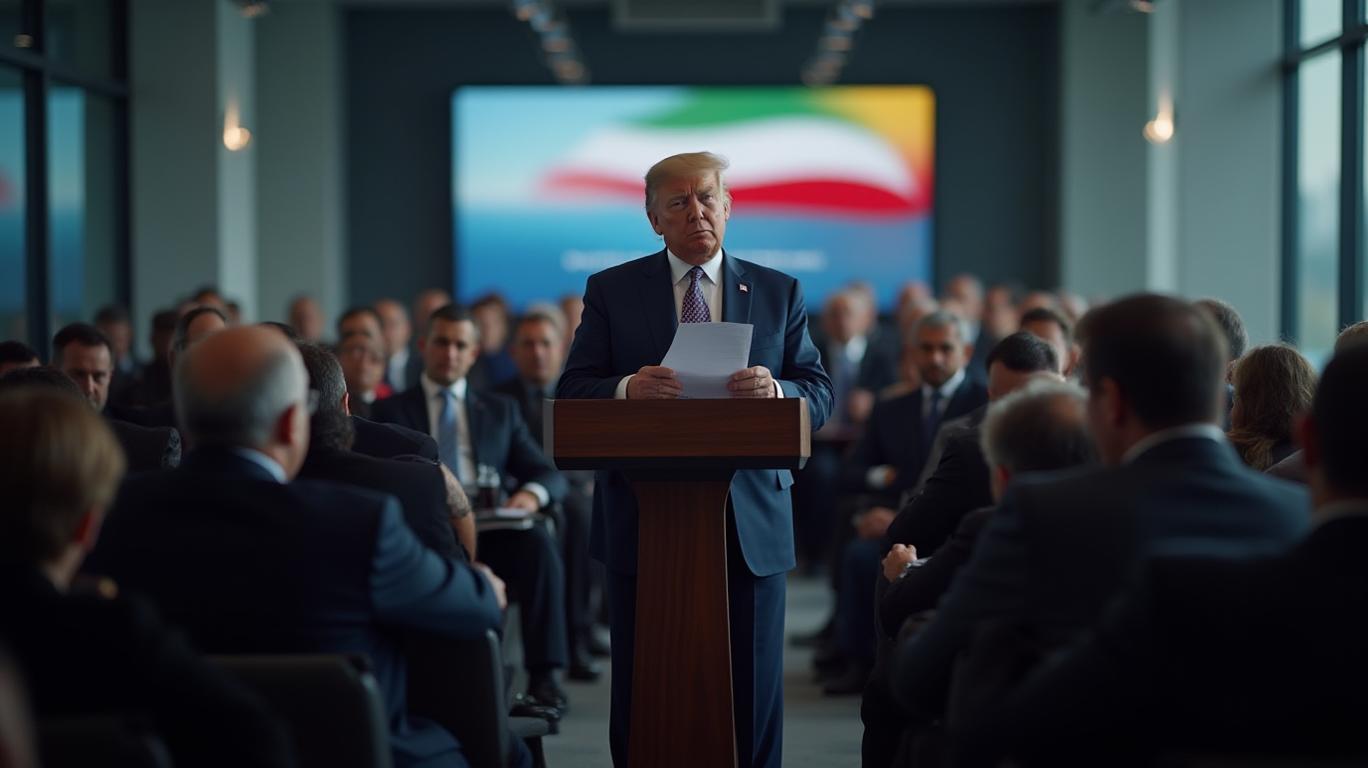
However, the actual extent of Trump's pro-drilling policies and deregulation remains to be seen, as the implementation of these policies could face resistance or be subject to change. Additionally, the impact of these policies on the oil market will depend on various factors, including geopolitical developments, market fluctuations, and technological advancements.
In conclusion, the prospect of Trump pushing up crude supplies could weigh on oil prices and erode OPEC+'s market share in the long term. However, the actual impact of Trump's energy policies on the oil market remains uncertain, and investors should closely monitor the situation as it unfolds.
Oil prices have been on a rollercoaster ride in recent months, with geopolitical tensions and market dynamics driving the ups and downs. As the new year begins, one factor that could significantly impact the oil market is the incoming U.S. President Donald Trump's energy policies. Trump has pledged to boost domestic oil production and deregulate the energy sector, which could lead to an increase in U.S. crude supplies. This, in turn, could weigh on oil prices and erode the market share of OPEC+ producers.
Trump's pro-drilling policies and deregulation could have long-term implications for U.S. oil production and global supply dynamics. The U.S. Energy Information Administration (EIA) projects that U.S. crude oil production will continue to rise in 2025, further challenging OPEC+'s market share. OPEC+ delegates have expressed concerns about the potential impact of increased U.S. production on global oil supply and prices. A delegate from an OPEC+ producer allied with the U.S. told Reuters, "We may see higher production in the United States, which is not good for us."
Stricter U.S. sanctions on Iran and Venezuela could also influence global oil supply and OPEC+ production strategies. During Trump's first term, U.S. sanctions on Iran led to a significant drop in Iranian oil production and exports. Stricter sanctions under Trump could again reduce Iran's oil exports, tightening global supply. This could open the door for Saudi Arabia and other OPEC+ producers to justify an increase in their supply, helping OPEC+ maintain its market share and support oil prices.
However, the actual extent of Trump's pro-drilling policies and deregulation remains to be seen, as the implementation of these policies could face resistance or be subject to change. Additionally, the impact of these policies on the oil market will depend on various factors, including geopolitical developments, market fluctuations, and technological advancements.
In conclusion, the prospect of Trump pushing up crude supplies could weigh on oil prices and erode OPEC+'s market share in the long term. However, the actual impact of Trump's energy policies on the oil market remains uncertain, and investors should closely monitor the situation as it unfolds.

Divulgación editorial y transparencia de la IA: Ainvest News utiliza tecnología avanzada de Modelos de Lenguaje Largo (LLM) para sintetizar y analizar datos de mercado en tiempo real. Para garantizar los más altos estándares de integridad, cada artículo se somete a un riguroso proceso de verificación con participación humana.
Mientras la IA asiste en el procesamiento de datos y la redacción inicial, un miembro editorial profesional de Ainvest revisa, verifica y aprueba de forma independiente todo el contenido para garantizar su precisión y cumplimiento con los estándares editoriales de Ainvest Fintech Inc. Esta supervisión humana está diseñada para mitigar las alucinaciones de la IA y garantizar el contexto financiero.
Advertencia sobre inversiones: Este contenido se proporciona únicamente con fines informativos y no constituye asesoramiento profesional de inversión, legal o financiero. Los mercados conllevan riesgos inherentes. Se recomienda a los usuarios que realicen una investigación independiente o consulten a un asesor financiero certificado antes de tomar cualquier decisión. Ainvest Fintech Inc. se exime de toda responsabilidad por las acciones tomadas con base en esta información. ¿Encontró un error? Reportar un problema


SOBRE NOSOTROS
Nuestra historiaAutores de noticiasBase de conocimientosPolítica de privacidadTérmino de usoDescargo de responsabilidad de corretaje de tercerosTérminos de uso de AIMEDivulgaciones de riesgos de AInvest AICarrerasCONTÁCTENOS
Email: support@ainvest.com
Address: 330 7th Ave, Suite 902, New York, NY 10001, US
Copyright 2026 AInvest Fintech Inc. All rights reserved.


Comentarios
Aún no hay comentarios