
Oil Eases as Market Weighs U.S. Sanctions on Russia
Generado por agente de IACyrus Cole
martes, 14 de enero de 2025, 5:24 am ET2 min de lectura
WEST--
Oil prices have been on a rollercoaster ride in recent weeks, with the latest U.S. sanctions on Russia's energy sector adding another layer of uncertainty to the market. On Monday, Brent crude futures slipped 0.7% to $80.48 a barrel, while U.S. West Texas Intermediate (WTI) crude fell 0.6% to $78.38 a barrel. The retreat comes after a strong rally last week, driven by the U.S. Treasury Department's announcement of sweeping sanctions targeting Russian oil producers and shipping.
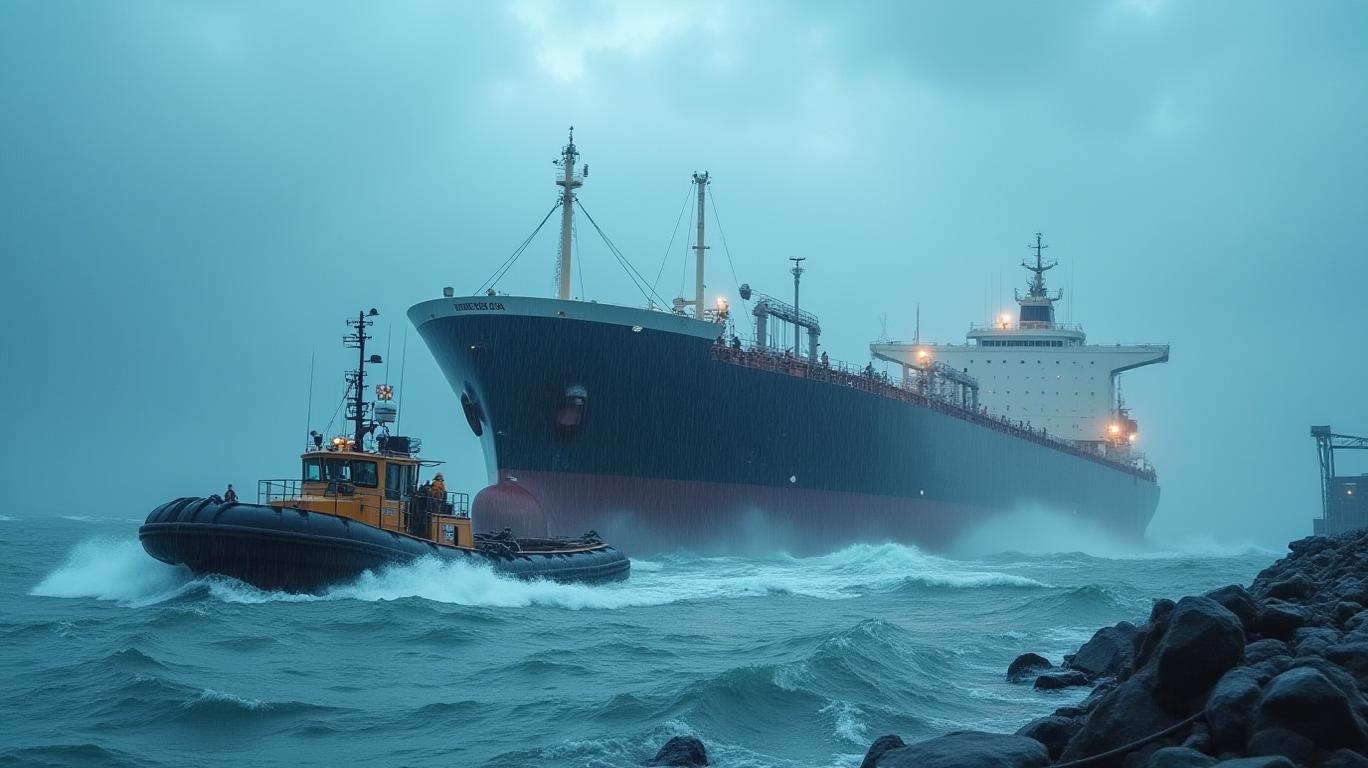
The sanctions, imposed in coordination with the UK, aim to curb Moscow's revenue streams used to fund its conflict with Ukraine. They target two major Russian petroleum producers, Gazprom Neft and Surgutneftegas, and 183 vessels involved in transporting Russian crude oil. The restrictions could sharply reduce Russian oil exports and prompt China, the world's largest oil importer, and India, the third-largest, to source crude from alternative regions such as the Middle East, Africa, and the Americas, analysts have forecasted. The shift is expected to drive up global prices as well as shipping costs.
The U.S. Treasury Department's move has raised concerns about the potential impact on global oil supply and demand dynamics. The sanctions target a significant portion of Russia's oil exports, with the vessels affected carrying around 1.7 million barrels per day (mb/d) of oil in 2024, accounting for a quarter of Russia's exports. This reduction in supply will tighten the global oil market, potentially leading to higher prices.
However, the actual reduction in flows will likely be less, as Russia and buyers find ways around these sanctions. Many of the tankers affected by the latest restrictions have been used to transport Russian oil to India and China after Russia redirected its crude supplies to Asia in response to a ban on seaborne oil imposed by the West in 2022. Some of these vessels have also reportedly carried oil from Iran, another country under sanctions.
The sanctions could also lead to increased shipping costs, as the available fleet for transporting Russian oil shrinks. This could further impact global oil trade dynamics and potentially drive up prices. The potential impact on non-Russian oil producers, such as those in the Middle East, Africa, and the Americas, is also a concern. The sanctions may lead to increased demand for oil from these producers, resulting in higher prices and increased competition among oil-producing countries.
In conclusion, the latest U.S. sanctions on Russia's oil industry have added another layer of uncertainty to the global oil market. While the sanctions are expected to have a significant impact on oil prices in the short term, the actual reduction in flows may be less than initially anticipated. The market will continue to monitor the situation closely, as the geopolitical tensions and uncertainty surrounding Russia's energy sector could have long-term consequences for oil prices and global energy trade dynamics.
Oil prices have been on a rollercoaster ride in recent weeks, with the latest U.S. sanctions on Russia's energy sector adding another layer of uncertainty to the market. On Monday, Brent crude futures slipped 0.7% to $80.48 a barrel, while U.S. West Texas Intermediate (WTI) crude fell 0.6% to $78.38 a barrel. The retreat comes after a strong rally last week, driven by the U.S. Treasury Department's announcement of sweeping sanctions targeting Russian oil producers and shipping.
The sanctions, imposed in coordination with the UK, aim to curb Moscow's revenue streams used to fund its conflict with Ukraine. They target two major Russian petroleum producers, Gazprom Neft and Surgutneftegas, and 183 vessels involved in transporting Russian crude oil. The restrictions could sharply reduce Russian oil exports and prompt China, the world's largest oil importer, and India, the third-largest, to source crude from alternative regions such as the Middle East, Africa, and the Americas, analysts have forecasted. The shift is expected to drive up global prices as well as shipping costs.
The U.S. Treasury Department's move has raised concerns about the potential impact on global oil supply and demand dynamics. The sanctions target a significant portion of Russia's oil exports, with the vessels affected carrying around 1.7 million barrels per day (mb/d) of oil in 2024, accounting for a quarter of Russia's exports. This reduction in supply will tighten the global oil market, potentially leading to higher prices.
However, the actual reduction in flows will likely be less, as Russia and buyers find ways around these sanctions. Many of the tankers affected by the latest restrictions have been used to transport Russian oil to India and China after Russia redirected its crude supplies to Asia in response to a ban on seaborne oil imposed by the West in 2022. Some of these vessels have also reportedly carried oil from Iran, another country under sanctions.
The sanctions could also lead to increased shipping costs, as the available fleet for transporting Russian oil shrinks. This could further impact global oil trade dynamics and potentially drive up prices. The potential impact on non-Russian oil producers, such as those in the Middle East, Africa, and the Americas, is also a concern. The sanctions may lead to increased demand for oil from these producers, resulting in higher prices and increased competition among oil-producing countries.
In conclusion, the latest U.S. sanctions on Russia's oil industry have added another layer of uncertainty to the global oil market. While the sanctions are expected to have a significant impact on oil prices in the short term, the actual reduction in flows may be less than initially anticipated. The market will continue to monitor the situation closely, as the geopolitical tensions and uncertainty surrounding Russia's energy sector could have long-term consequences for oil prices and global energy trade dynamics.

Divulgación editorial y transparencia de la IA: Ainvest News utiliza tecnología avanzada de Modelos de Lenguaje Largo (LLM) para sintetizar y analizar datos de mercado en tiempo real. Para garantizar los más altos estándares de integridad, cada artículo se somete a un riguroso proceso de verificación con participación humana.
Mientras la IA asiste en el procesamiento de datos y la redacción inicial, un miembro editorial profesional de Ainvest revisa, verifica y aprueba de forma independiente todo el contenido para garantizar su precisión y cumplimiento con los estándares editoriales de Ainvest Fintech Inc. Esta supervisión humana está diseñada para mitigar las alucinaciones de la IA y garantizar el contexto financiero.
Advertencia sobre inversiones: Este contenido se proporciona únicamente con fines informativos y no constituye asesoramiento profesional de inversión, legal o financiero. Los mercados conllevan riesgos inherentes. Se recomienda a los usuarios que realicen una investigación independiente o consulten a un asesor financiero certificado antes de tomar cualquier decisión. Ainvest Fintech Inc. se exime de toda responsabilidad por las acciones tomadas con base en esta información. ¿Encontró un error? Reportar un problema


SOBRE NOSOTROS
Nuestra historiaAutores de noticiasBase de conocimientosPolítica de privacidadTérmino de usoDescargo de responsabilidad de corretaje de tercerosTérminos de uso de AIMEDivulgaciones de riesgos de AInvest AICarrerasCONTÁCTENOS
Email: support@ainvest.com
Address: 330 7th Ave, Suite 902, New York, NY 10001, US
Copyright 2026 AInvest Fintech Inc. All rights reserved.


Comentarios
Aún no hay comentarios