
Oil, dollars, and debt: How safe is the Middle East from the global trade war?
Generado por agente de IACyrus Cole
viernes, 14 de marzo de 2025, 6:02 am ET2 min de lectura
The Middle East, a region rich in oil and gas reserves, has long been a focal point of global geopolitics and trade. However, the ongoing conflicts and economic sanctions have raised questions about the safety of the region from the global trade war. This essay will delve into the complexities of the Middle East's oil production, the impact of economic sanctions, and the potential long-term implications for global energy security and market stability.
The Strategic Importance of Middle Eastern Oil
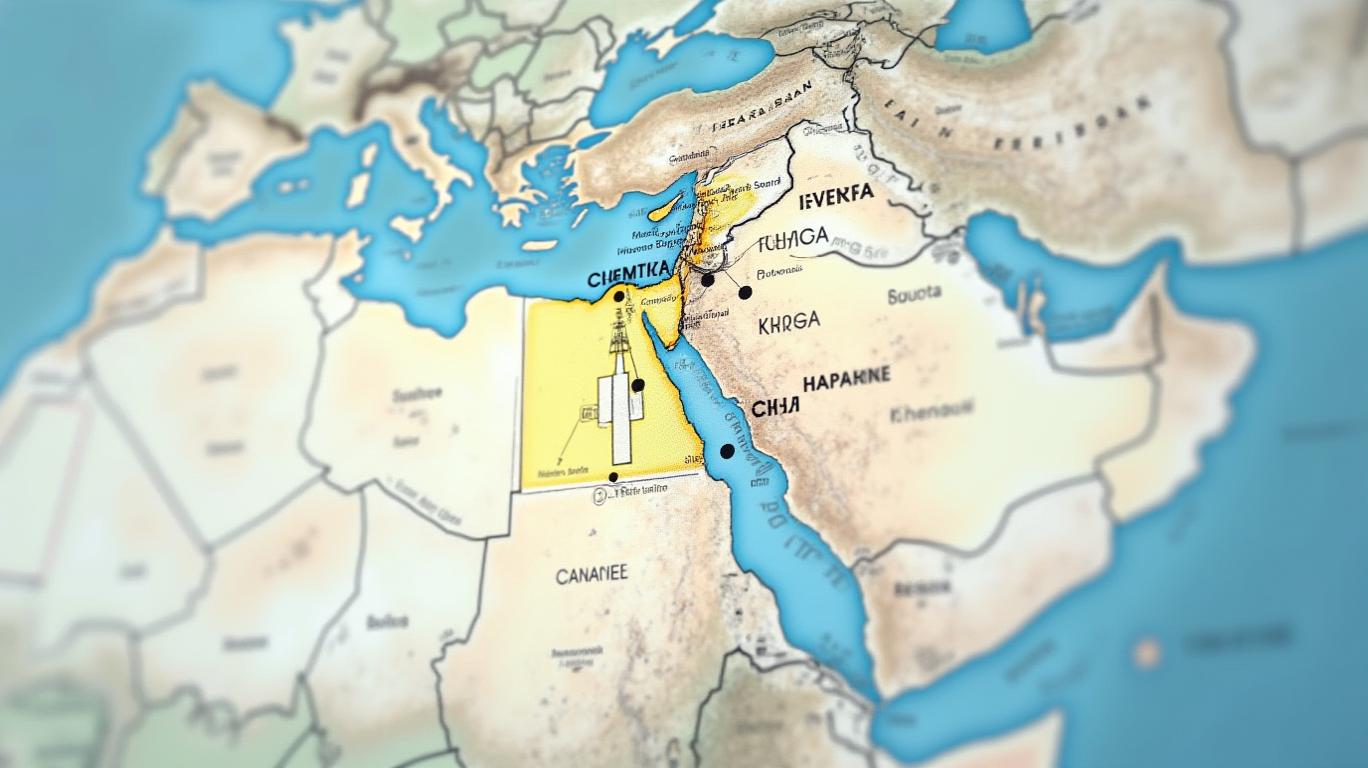
The Middle East is home to some of the world's largest oil producers, including Saudi Arabia, Iran, and Iraq. These countries play a crucial role in the global oil market, with Iran alone accounting for 4% of global oil production. The Kharg Island export facility, located about 25 km off Iran’s southern coast, is Iran’s most important energy infrastructure, handling 90% of its crude shipments. Any disruption to this facility could have severe consequences for global oil supplies, as Iran exports approximately 1.7 million barrels per day (b/d) of oil.
The Impact of Economic Sanctions
Economic sanctions and trade restrictions imposed on Iran and other Middle Eastern countries have significantly impacted their oil production and export capabilities. These sanctions limit access to technology, equipment, and expertise needed for oil production and refining. For instance, Iran, despite being OPEC’s fourth largest crude oil producer in 2023, faces challenges in maintaining and expanding its oil production due to sanctions. The International Energy Agency (IEA) reports that Iran has the third largest proven oil reserves in the world, with 12% of the total, but its production capabilities are hindered by these restrictions.
Geopolitical Tensions and Oil Price Volatility
The ongoing conflicts in the Middle East, particularly the Israel-Iran tensions, have significant implications for global oil supply and prices. The traditional correlation between Middle East conflict risk and accelerating oil prices has been broken. Oil markets are well-supplied by non-OPEC production, and weak demand in Asia and a longer-term declining demand for oil make price sensitivity more relaxed. However, the market's understanding of energy infrastructure risk and the availability of non-OPEC production have helped maintain price stability to some extent.
The Role of Global Powers
The U.S. and other global powers face a complex challenge in navigating the delicate balance between supporting allies and avoiding direct involvement in the Middle East conflict. The U.S. has a long-standing commitment to supporting its allies in the region, particularly Israel. However, direct involvement in the conflict could have severe consequences, leading to an oil price surge and reigniting inflation. The U.S. and other global powers must therefore tread carefully to avoid escalating tensions that could disrupt global oil supplies.
Long-Term Implications for Global Energy Security
The disruption of oil supply from sanctioned countries can lead to increased volatility in oil prices, with ripple effects on global economies. For instance, China, the world’s second largest consumer of oil, is heavily dependent on imports from the Middle East. Any disruption in supply due to sanctions or conflicts can lead to increased prices and potential shortages, affecting China’s economic growth and stability.
Moreover, the reliance on non-OPEC and North American production to maintain price stability highlights the need for diversification in oil supply sources. The market has demonstrated a precise understanding of energy infrastructure risk rather than broader political risk, while sanguinity about the availability of supply, including from non-OPEC and North American production, continues to maintain price stability. However, the long-term implications of sanctions and trade restrictions on global energy security and market stability remain a concern, as the world continues to rely on Middle Eastern oil for a significant portion of its energy needs.
Conclusion
In conclusion, the Middle East's oil production and export capabilities are significantly impacted by economic sanctions and geopolitical tensions. The ongoing conflicts and sanctions pose risks to global energy security and market stability. However, the market's resilience and the availability of non-OPEC production suggest that while there may be short-term disruptions, the long-term impact could be managed. The U.S. and other global powers must carefully balance their support for allies with the need to avoid direct involvement in the Middle East conflict to ensure global energy security and market stability.



Divulgación editorial y transparencia de la IA: Ainvest News utiliza tecnología avanzada de Modelos de Lenguaje Largo (LLM) para sintetizar y analizar datos de mercado en tiempo real. Para garantizar los más altos estándares de integridad, cada artículo se somete a un riguroso proceso de verificación con participación humana.
Mientras la IA asiste en el procesamiento de datos y la redacción inicial, un miembro editorial profesional de Ainvest revisa, verifica y aprueba de forma independiente todo el contenido para garantizar su precisión y cumplimiento con los estándares editoriales de Ainvest Fintech Inc. Esta supervisión humana está diseñada para mitigar las alucinaciones de la IA y garantizar el contexto financiero.
Advertencia sobre inversiones: Este contenido se proporciona únicamente con fines informativos y no constituye asesoramiento profesional de inversión, legal o financiero. Los mercados conllevan riesgos inherentes. Se recomienda a los usuarios que realicen una investigación independiente o consulten a un asesor financiero certificado antes de tomar cualquier decisión. Ainvest Fintech Inc. se exime de toda responsabilidad por las acciones tomadas con base en esta información. ¿Encontró un error? Reportar un problema


SOBRE NOSOTROS
Nuestra historiaAutores de noticiasBase de conocimientosPolítica de privacidadTérmino de usoDescargo de responsabilidad de corretaje de tercerosTérminos de uso de AIMEDivulgaciones de riesgos de AInvest AICarrerasCONTÁCTENOS
Email: support@ainvest.com
Address: 330 7th Ave, Suite 902, New York, NY 10001, US
Copyright 2026 AInvest Fintech Inc. All rights reserved.


Comentarios
Aún no hay comentarios