
Oil Daily | Iraq-Kurdistan Oil Exports to Resume, Brazil Eyes Amazon Drilling Amid Environmental Concerns
Generado por agente de IAAinvest Market Brief
martes, 18 de febrero de 2025, 7:00 am ET1 min de lectura
AMZN--
ELPC--
PBR--
【Oil-Producing Countries Dynamics】
Petronas, Malaysia's state energy company, launched a tender for five offshore exploration blocks, aiming to increase production from 1.7 million to 2 million barrels daily. The company plans to drill more development and exploration wells, despite facing challenges in new project developments, which may impact revenue sharing with partners.
Brazilian President Lula da Silva is urging approval for oil drilling near the Amazon River to fund green energy transition. Despite environmental concerns, Lula emphasizes oil exploration for economic growth. Brazil's oil production is set to increase significantly, with international oil companies collaborating with Petrobras.
OPEC has not yet discussed delaying the planned increase in oil supply set for April. While some members are concerned about the market's fragility, Russian Deputy Prime Minister Alexander Novak confirmed that the group has not changed its plans for easing production cuts.
Iraq and Kurdistan are set to resume oil exports from the semi-autonomous region by March end after resolving a long-standing dispute. The federal budget law amendments will compensate oil firms operating in Kurdistan, facilitating the restart of crude exports, potentially adding 400,000 barrels per day to supply.
【Industry News】
Woodside seeks partners for the Louisiana LNG project, aiming to sell 50% of the first phase, which will produce 11 million tons annually. The project, previously owned by Tellurian, anticipates a final investment decision soon, with Woodside expecting premium prices for LNG due to rising demand.
A drone attack on a Russian pipeline disrupted crude flows from Kazakhstan. The Caspian Pipeline Consortium reported no injuries but reduced flow rates. The attack coincides with U.S.-Russia talks on ending the Ukraine war, highlighting geopolitical tensions affecting energy routes.
【Company News】
NTPC, India's largest electricity producer, plans to invest $62 billion to build 30 gigawatts of nuclear capacity in the next two decades. This aligns with India's push for nuclear energy and its goal to meet 50% of power demand through renewable sources by 2030, including advanced nuclear technologies.
【Others】
A liquefied natural gas carrier traversed the Red Sea, a route hindered by Yemeni Houthi attacks. The Houthis have reduced targets following a ceasefire between Israel and Hamas, improving maritime traffic crucial for energy trade between Asia and Europe.
Global warming is reducing wind power generation in Europe, straining electricity systems reliant on renewables. Research indicates the "stilling" phenomenon, where wind speeds drop, is becoming more frequent, impacting energy production and prices. Germany, in particular, has faced lower wind speeds.
Western nuclear energy companies face potential uranium supply shocks amid competition from China and Russia. With increasing demand for nuclear power, concerns rise over supply chain vulnerabilities. Experts urge the U.S. and allies to strengthen uranium supply chains and enhance domestic capabilities.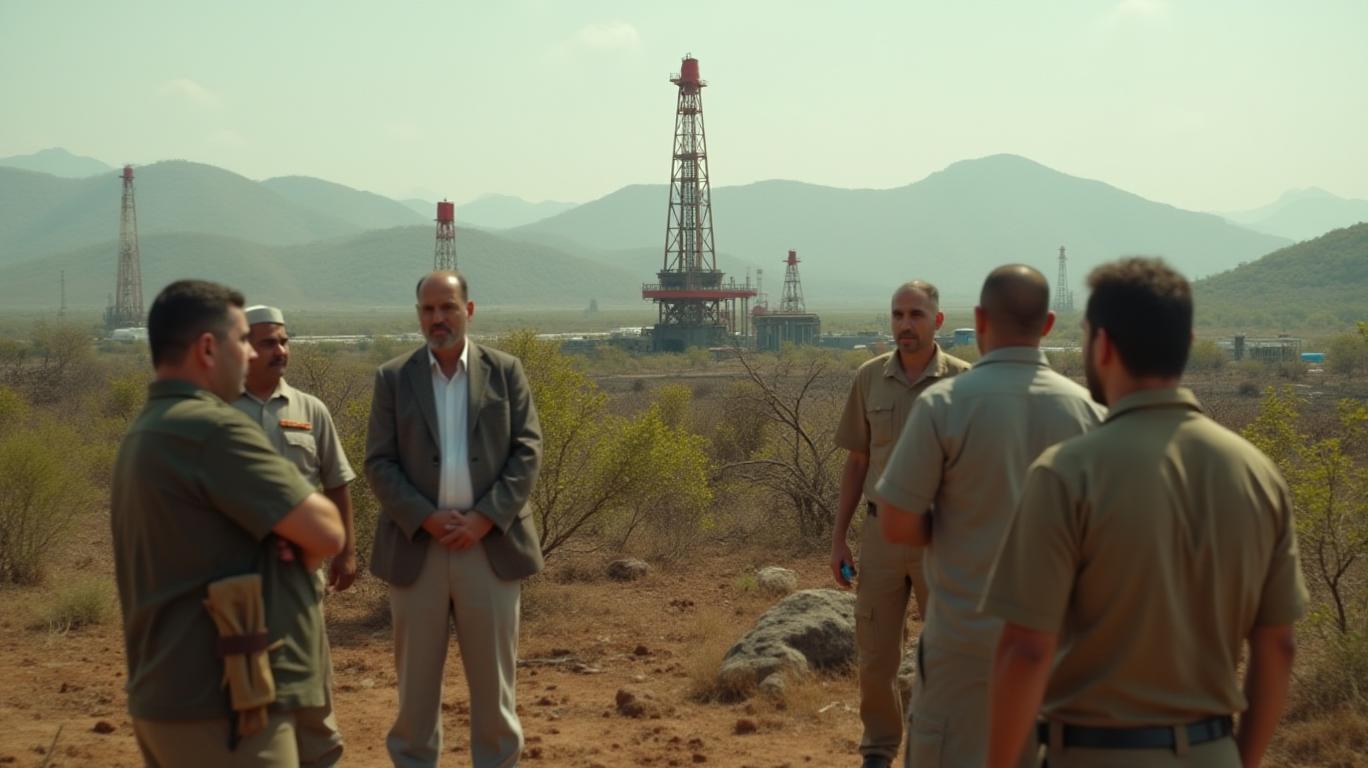
Petronas, Malaysia's state energy company, launched a tender for five offshore exploration blocks, aiming to increase production from 1.7 million to 2 million barrels daily. The company plans to drill more development and exploration wells, despite facing challenges in new project developments, which may impact revenue sharing with partners.
Brazilian President Lula da Silva is urging approval for oil drilling near the Amazon River to fund green energy transition. Despite environmental concerns, Lula emphasizes oil exploration for economic growth. Brazil's oil production is set to increase significantly, with international oil companies collaborating with Petrobras.
OPEC has not yet discussed delaying the planned increase in oil supply set for April. While some members are concerned about the market's fragility, Russian Deputy Prime Minister Alexander Novak confirmed that the group has not changed its plans for easing production cuts.
Iraq and Kurdistan are set to resume oil exports from the semi-autonomous region by March end after resolving a long-standing dispute. The federal budget law amendments will compensate oil firms operating in Kurdistan, facilitating the restart of crude exports, potentially adding 400,000 barrels per day to supply.
【Industry News】
Woodside seeks partners for the Louisiana LNG project, aiming to sell 50% of the first phase, which will produce 11 million tons annually. The project, previously owned by Tellurian, anticipates a final investment decision soon, with Woodside expecting premium prices for LNG due to rising demand.
A drone attack on a Russian pipeline disrupted crude flows from Kazakhstan. The Caspian Pipeline Consortium reported no injuries but reduced flow rates. The attack coincides with U.S.-Russia talks on ending the Ukraine war, highlighting geopolitical tensions affecting energy routes.
【Company News】
NTPC, India's largest electricity producer, plans to invest $62 billion to build 30 gigawatts of nuclear capacity in the next two decades. This aligns with India's push for nuclear energy and its goal to meet 50% of power demand through renewable sources by 2030, including advanced nuclear technologies.
【Others】
A liquefied natural gas carrier traversed the Red Sea, a route hindered by Yemeni Houthi attacks. The Houthis have reduced targets following a ceasefire between Israel and Hamas, improving maritime traffic crucial for energy trade between Asia and Europe.
Global warming is reducing wind power generation in Europe, straining electricity systems reliant on renewables. Research indicates the "stilling" phenomenon, where wind speeds drop, is becoming more frequent, impacting energy production and prices. Germany, in particular, has faced lower wind speeds.
Western nuclear energy companies face potential uranium supply shocks amid competition from China and Russia. With increasing demand for nuclear power, concerns rise over supply chain vulnerabilities. Experts urge the U.S. and allies to strengthen uranium supply chains and enhance domestic capabilities.

Divulgación editorial y transparencia de la IA: Ainvest News utiliza tecnología avanzada de Modelos de Lenguaje Largo (LLM) para sintetizar y analizar datos de mercado en tiempo real. Para garantizar los más altos estándares de integridad, cada artículo se somete a un riguroso proceso de verificación con participación humana.
Mientras la IA asiste en el procesamiento de datos y la redacción inicial, un miembro editorial profesional de Ainvest revisa, verifica y aprueba de forma independiente todo el contenido para garantizar su precisión y cumplimiento con los estándares editoriales de Ainvest Fintech Inc. Esta supervisión humana está diseñada para mitigar las alucinaciones de la IA y garantizar el contexto financiero.
Advertencia sobre inversiones: Este contenido se proporciona únicamente con fines informativos y no constituye asesoramiento profesional de inversión, legal o financiero. Los mercados conllevan riesgos inherentes. Se recomienda a los usuarios que realicen una investigación independiente o consulten a un asesor financiero certificado antes de tomar cualquier decisión. Ainvest Fintech Inc. se exime de toda responsabilidad por las acciones tomadas con base en esta información. ¿Encontró un error? Reportar un problema


SOBRE NOSOTROS
Nuestra historiaAutores de noticiasBase de conocimientosPolítica de privacidadTérmino de usoDescargo de responsabilidad de corretaje de tercerosTérminos de uso de AIMEDivulgaciones de riesgos de AInvest AICarrerasCONTÁCTENOS
Email: support@ainvest.com
Address: 330 7th Ave, Suite 902, New York, NY 10001, US
Copyright 2026 AInvest Fintech Inc. All rights reserved.


Comentarios
Aún no hay comentarios