
Oil's Next Bull Run: How the Israel-Iran Conflict Could Push Prices to $100 and Beyond
The Middle East is burning, and oil markets are feeling the heat. The Israel-Iran conflict has escalated to a boiling point, with airstrikes, missile launches, and threats to choke off one of the world's most critical oil arteries—the Strait of Hormuz. This isn't just another regional squabble; it's a geopolitical time bomb that could send oil prices soaring past $100 a barrel. Here's why investors need to pay attention—and how to profit.
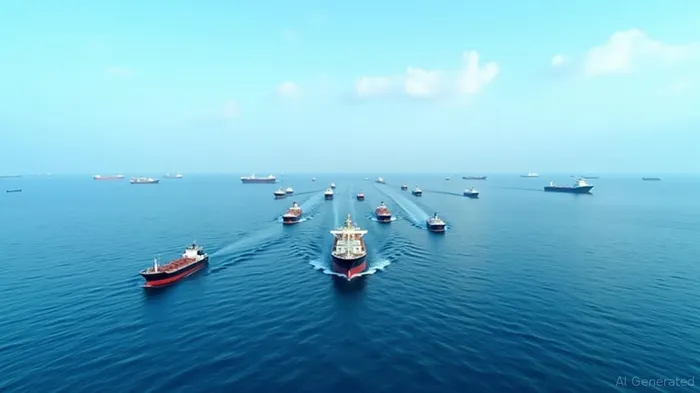
The Strait of Hormuz: The World's Most Dangerous Oil Chokepoint
Let's start with the math. The Strait of Hormuz handles 20% of the world's oil supply, or 20 million barrels a day. If Iran blocks it—a threat they've made explicit—Brent crude could skyrocket to $100+ per barrel, according to Goldman Sachs. Even a partial disruption, like the recent sabotage of Iran's South Pars gas field or Israel's Leviathan offshore platform, has already injected a $10/bbl geopolitical risk premium into prices. That's not a typo: investors are already pricing in worst-case scenarios, and there's room for that premium to grow.
Why History Says This Could Get Worse
Geopolitical conflicts rarely stay contained. Let's look at precedents:
- 2022 Russia-Ukraine War: Oil spiked 30% in the first two weeks, settling higher due to sanctions.
- 2003 Iraq Invasion: Prices doubled to $55/bbl (adjusted for inflation, that's over $70 today).
- 1979 Iran Hostage Crisis: Oil prices nearly tripled as markets priced in Iranian supply loss.
Today's conflict involves two major players: Iran, which holds 15% of global crude reserves, and Israel, a key energy exporter to Egypt and Jordan. If the fighting spreads to infrastructure—or worse, the Strait—the convenience yield (a measure of supply risk) will soar, keeping prices elevated for years.
The $10/bbl Premium Isn't a Ceiling—It's a Floor
Analysts at JPMorgan note that eight regime changes in oil-producing nations since 1979 triggered an average 30% oil price spike. Iran's current instability could be next on that list. Even if the Strait stays open, the risk of closure alone keeps traders nervous.
- South Pars Damage: Iran's partial shutdown of this world's largest gas field (30% of its output) has already cut 75,000 b/d of condensate. Full sabotage could add $15–$20 to prices.
- U.S. Posturing: President Trump's “unconditional surrender” demand raises the specter of direct U.S. involvement—a catalyst for chaos.
How to Play This: Energy Stocks, Options, and Caution
This isn't a time to be neutral. Here's how to position:
1. Buy Energy Giants with Strong Balance Sheets
- Exxon Mobil (XOM) and Chevron (CVX) are cash machines in this environment. Their dividends and share buybacks will thrive as prices rise.
- ETFs: The Energy Select Sector SPDR Fund (XLE) offers diversified exposure to refiners, drillers, and midstream companies.
2. Go Long on Oil Futures—But Use Options
- Bullish Call Options: Target a $90 strike price. A breakout above $85 could accelerate toward $100.
- Avoid Overpaying: Stick to front-month contracts or use spread strategies to limit risk.
3. Avoid Tanker Stocks—They're Playing Russian Roulette
Companies like DryShips (DRYS) or Teekay (TK) face rising insurance costs and rerouting expenses. A Hormuz closure would crater their profits.
The Bottom Line: This Is a Call to Action
The Israel-Iran conflict isn't going away. With $3–$5/bbl of the premium still to materialize, and the potential for a full-blown supply shock, now's the time to load up on energy stocks and hedging instruments.
Don't be caught flat-footed. The next oil bull run isn't just possible—it's already underway.
Final Word: Geopolitics is the new black gold. Own it—or get left behind.







Comentarios
Aún no hay comentarios