
Offshore Wind and Oil & Gas: A Tale of Competition or Coordination?
Generado por agente de IACyrus Cole
lunes, 7 de abril de 2025, 10:21 am ET2 min de lectura
EQNR--
The energy landscape is undergoing a seismic shift, with offshore wind and oil and gas operations vying for dominance. While some see this as a zero-sum game, others view it as an opportunity for collaboration. The integration of offshore wind with existing oil and gas infrastructure in regions like the North Sea offers a compelling case study in how these two sectors can coexist and even complement each other.
Efficiency Gains Through Shared Infrastructure
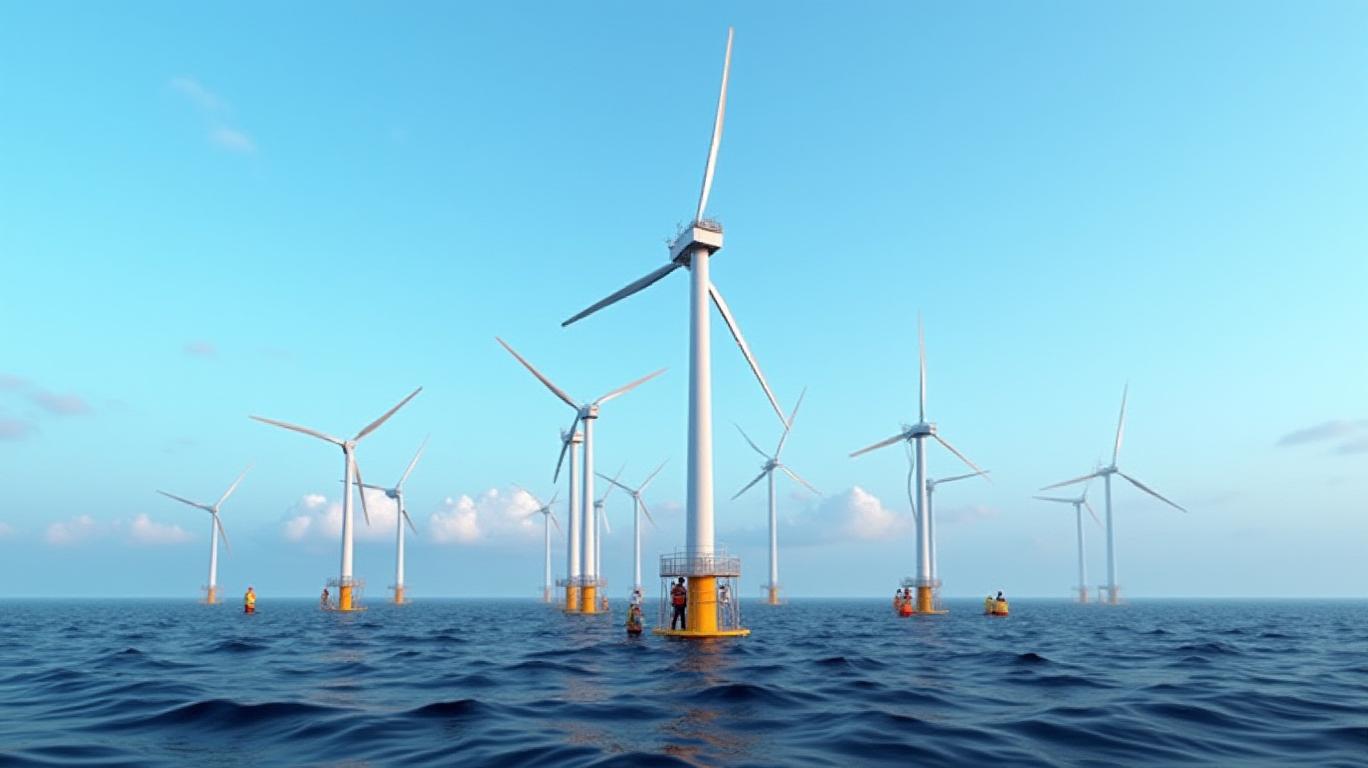
One of the most significant advantages of integrating offshore wind with oil and gas operations is the potential for shared infrastructure. This not only reduces costs but also enhances operational efficiency. For instance, the Hywind Tampen project in Norway, which powers five oil platforms using 11 floating turbines, has achieved a 35% reduction in annual power demand for these platforms. By leveraging existing subsea cables and platforms, the project avoids the need for separate transmission infrastructure, thereby lowering capital and operational costs.
Sustainability Through Emission Reductions
The environmental benefits of co-location are equally compelling. The Hywind Tampen project, for example, offsets 200,000 tonnes of CO₂ and 1,000 tonnes of nitrogen oxide (NOx) annually by replacing fossilFOSL-- fuel-based power generation on oil platforms. This aligns with the North Sea Transition Authority’s (NSTA) goal of decarbonizing hydrocarbon operations, demonstrating how offshore wind can help reduce the carbon footprint of the oil and gas sector.
Regulatory and Policy Drivers
The success of co-location projects often hinges on supportive regulatory frameworks. The North Sea’s deep-water environments, where fixed-bottom wind turbines are impractical, are being addressed through floating platforms. Equinor’s plans to expand offshore wind capacity to 10–12 GW by 2030, including co-located projects, exemplify how oil and gas companies are pivoting toward renewables while maintaining core operations. The NSTA’s focus on co-location since 2019 has created a framework for shared seabed use and streamlined permitting, reducing delays and costs.
Challenges and Solutions
Despite the benefits, co-location faces several challenges. Policy inconsistencies, complex regulatory frameworks, environmental hurdles, and lack of incentives are among the key obstacles. For instance, the U.S. under President Trump’s "Unleashing American Energy" agenda suspended federal leases for offshore wind while approving oil and gas projects, leading to ShellSHEL-- exiting the 1.5GW AtlanticATLN-- Shores offshore wind project. Such policy shifts create conflicting priorities, discouraging long-term investment in co-location.
To overcome these challenges, policymakers must prioritize policy consistency, cross-sector collaboration, streamlined environmental processes, and targeted incentives. Success stories like the Hywind Tampen project and the NSTA’s initiatives underscore that harmonized frameworks and stable support are critical to unlocking the full potential of co-location.
The Future of Energy Integration
The integration of offshore wind with oil and gas infrastructure offers a promising path forward for the energy sector. By leveraging shared infrastructure, reducing emissions, and fostering regulatory collaboration, these two sectors can coexist and even complement each other. As the energy transition accelerates, co-location will play a crucial role in achieving climate goals without compromising energy security.
In conclusion, the tale of offshore wind and oil and gas is not one of competition but of coordination. By working together, these two sectors can drive efficiency, sustainability, and innovation, paving the way for a more resilient and sustainable energy future.
SHEL--
The energy landscape is undergoing a seismic shift, with offshore wind and oil and gas operations vying for dominance. While some see this as a zero-sum game, others view it as an opportunity for collaboration. The integration of offshore wind with existing oil and gas infrastructure in regions like the North Sea offers a compelling case study in how these two sectors can coexist and even complement each other.
Efficiency Gains Through Shared Infrastructure
One of the most significant advantages of integrating offshore wind with oil and gas operations is the potential for shared infrastructure. This not only reduces costs but also enhances operational efficiency. For instance, the Hywind Tampen project in Norway, which powers five oil platforms using 11 floating turbines, has achieved a 35% reduction in annual power demand for these platforms. By leveraging existing subsea cables and platforms, the project avoids the need for separate transmission infrastructure, thereby lowering capital and operational costs.
Sustainability Through Emission Reductions
The environmental benefits of co-location are equally compelling. The Hywind Tampen project, for example, offsets 200,000 tonnes of CO₂ and 1,000 tonnes of nitrogen oxide (NOx) annually by replacing fossilFOSL-- fuel-based power generation on oil platforms. This aligns with the North Sea Transition Authority’s (NSTA) goal of decarbonizing hydrocarbon operations, demonstrating how offshore wind can help reduce the carbon footprint of the oil and gas sector.
Regulatory and Policy Drivers
The success of co-location projects often hinges on supportive regulatory frameworks. The North Sea’s deep-water environments, where fixed-bottom wind turbines are impractical, are being addressed through floating platforms. Equinor’s plans to expand offshore wind capacity to 10–12 GW by 2030, including co-located projects, exemplify how oil and gas companies are pivoting toward renewables while maintaining core operations. The NSTA’s focus on co-location since 2019 has created a framework for shared seabed use and streamlined permitting, reducing delays and costs.
Challenges and Solutions
Despite the benefits, co-location faces several challenges. Policy inconsistencies, complex regulatory frameworks, environmental hurdles, and lack of incentives are among the key obstacles. For instance, the U.S. under President Trump’s "Unleashing American Energy" agenda suspended federal leases for offshore wind while approving oil and gas projects, leading to ShellSHEL-- exiting the 1.5GW AtlanticATLN-- Shores offshore wind project. Such policy shifts create conflicting priorities, discouraging long-term investment in co-location.
To overcome these challenges, policymakers must prioritize policy consistency, cross-sector collaboration, streamlined environmental processes, and targeted incentives. Success stories like the Hywind Tampen project and the NSTA’s initiatives underscore that harmonized frameworks and stable support are critical to unlocking the full potential of co-location.
The Future of Energy Integration
The integration of offshore wind with oil and gas infrastructure offers a promising path forward for the energy sector. By leveraging shared infrastructure, reducing emissions, and fostering regulatory collaboration, these two sectors can coexist and even complement each other. As the energy transition accelerates, co-location will play a crucial role in achieving climate goals without compromising energy security.
In conclusion, the tale of offshore wind and oil and gas is not one of competition but of coordination. By working together, these two sectors can drive efficiency, sustainability, and innovation, paving the way for a more resilient and sustainable energy future.

Divulgación editorial y transparencia de la IA: Ainvest News utiliza tecnología avanzada de Modelos de Lenguaje Largo (LLM) para sintetizar y analizar datos de mercado en tiempo real. Para garantizar los más altos estándares de integridad, cada artículo se somete a un riguroso proceso de verificación con participación humana.
Mientras la IA asiste en el procesamiento de datos y la redacción inicial, un miembro editorial profesional de Ainvest revisa, verifica y aprueba de forma independiente todo el contenido para garantizar su precisión y cumplimiento con los estándares editoriales de Ainvest Fintech Inc. Esta supervisión humana está diseñada para mitigar las alucinaciones de la IA y garantizar el contexto financiero.
Advertencia sobre inversiones: Este contenido se proporciona únicamente con fines informativos y no constituye asesoramiento profesional de inversión, legal o financiero. Los mercados conllevan riesgos inherentes. Se recomienda a los usuarios que realicen una investigación independiente o consulten a un asesor financiero certificado antes de tomar cualquier decisión. Ainvest Fintech Inc. se exime de toda responsabilidad por las acciones tomadas con base en esta información. ¿Encontró un error? Reportar un problema




Comentarios
Aún no hay comentarios