
Ocular Therapeutix's Q1 Earnings: Navigating Losses with a Gaze on Future Gains
Ocular Therapeutix (NASDAQ: OCUL) delivered mixed results in its Q1 2025 earnings, reporting a net loss of $0.38 per share—wider than the FactSet estimate of a $0.29 loss. While revenue plunged 28% year-over-year to $10.7 million, the company’s financials underscore a deliberate strategic pivot: prioritizing high-stakes R&D for its pipeline candidate AXPAXLI over near-term profitability. Investors must weigh the risks of escalating losses against the potential of a transformative product in ophthalmology.
Revenue Decline: The DEXTENZA Dilemma
The 27.6% drop in net revenue stemmed almost entirely from falling sales of DEXTENZA, Ocular’s flagship steroid implant for post-surgical ocular inflammation. Key challenges included:
- Medicare MIPS Compliance: DEXTENZA’s inclusion in Medicare’s MIPS cost-performance category for 2025 initially deterred clinicians from adopting the drug, as providers sought to avoid penalties tied to high-cost treatments.
- Pricing Strategy Impact: Aggressive pricing adjustments disrupted buying patterns among distributors and medical facilities.
However, management remains optimistic about a rebound. Starting Q2 2025, DEXTENZA became eligible for separate payments in hospital outpatient departments (HOPDs), a category that previously lacked reimbursement parity. Combined with clinicians’ adaptation to MIPS compliance, Ocular projects sequential revenue growth in the latter half of 2025.
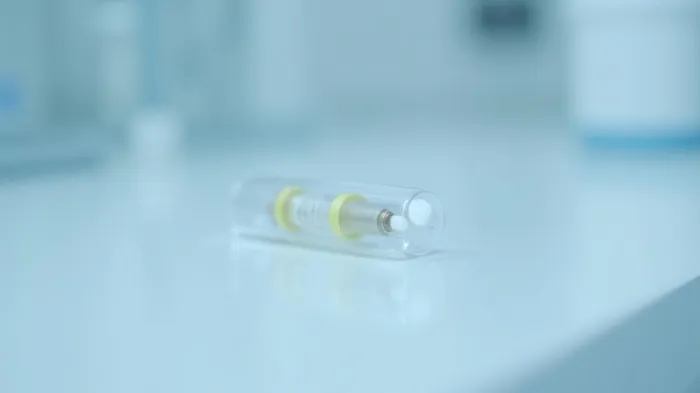
Expenses Surge: Fueling the AXPAXLI Ambition
The $64.1 million net loss was driven by a near-doubling of R&D spending to $42.9 million, as Ocular accelerates clinical trials for AXPAXLI, a sustained-release formulation of ranibizumab for wet age-related macular degeneration (AMD). Key expenditures included:
- AXPAXLI’s SOL-1 and SOL-R Phase 3 trials: These trials aim to demonstrate a 6–12 month dosing regimen, which—if successful—could position AXPAXLI as a superior alternative to current anti-VEGF therapies requiring monthly injections.
- Streamlined Enrollment: SOL-R’s enrollment was reduced from 825 to 555 patients while retaining 90% statistical power, optimizing costs without compromising data integrity.
Meanwhile, selling and marketing expenses rose 38% to $14.1 million, reflecting pre-commercialization efforts ahead of AXPAXLI’s potential FDA approval in early 2026.
Cash Position: A Steady Hand Amid Stormy Waters
Ocular’s $349.7 million cash balance as of March 2025 provides a critical buffer. Management asserts this sum will fund operations through 2028, excluding costs tied to new trials in NPDR (non-proliferative diabetic retinopathy) and DME (diabetic macular edema). This runway offers flexibility to pursue partnerships or additional trials without immediate dilution—a rare luxury in the biotech sector.
Clinical Pipeline: The High-Stakes Gamble
The company’s fate hinges on AXPAXLI’s success. Positive topline data from SOL-1 is expected in Q1 2026, with FDA feedback on NPDR trial designs already positive. If AXPAXLI gains approval, its potential to reduce treatment burden for AMD patients could drive multi-million-dollar revenue streams. However, setbacks—such as inferior efficacy compared to monthly anti-VEGF injections—could leave Ocular overleveraged.
Conclusion: A Risk-Adjusted Opportunity?
Ocular Therapeutix’s Q1 results highlight a stark trade-off: short-term pain for long-term gain. With a cash runway extending to 2028, the company is positioned to execute its AXPAXLI strategy, but investors must accept volatility. Key metrics to watch:
- AXPAXLI SOL-1 Trial Results (Q1 2026): Success here could catalyze a 300%+ revenue jump by 2027.
- DEXTENZA Revenue Recovery: Sequential growth in Q2/Q3 2025 would alleviate concerns about core product viability.
- Cash Burn Management: R&D costs for NPDR/DME trials could accelerate cash depletion if trials expand.
At its current valuation—$349.7M cash versus a $452M market cap—Ocular’s shares reflect skepticism about AXPAXLI’s prospects. Yet, if the drug secures FDA approval with a 12-month dosing label, the company’s value could skyrocket. For risk-tolerant investors, this is a “swing-for-the-fences” bet on a potentially transformative therapy. The question remains: Can Ocular sustain the losses until the payoff arrives? The next 12 months will decide.







Comentarios
Aún no hay comentarios