
Nvidia Shares Dip as Q3 Results Beat Expectations, but Guidance Disappoints
Generado por agente de IAWesley Park
jueves, 21 de noviembre de 2024, 2:53 pm ET1 min de lectura
NVDA--
Nvidia, the world's leading manufacturer of graphics processing units (GPUs), reported its third-quarter earnings on Wednesday, with results that beat analyst expectations but guidance that fell short, causing a dip in the company's stock price. The tech giant's revenue nearly doubled year-over-year, driven by strong demand for AI infrastructure and data center products. However, investors were left wanting more as the company's guidance for the fourth quarter missed the mark.
Nvidia's third-quarter revenue surged to $35.08 billion, up 94% from the year-ago period, easily surpassing the average analyst estimate of $33.29 billion. The company's net income also more than doubled, reaching $19.31 billion compared to the projected $17.47 billion. Despite these impressive results, Nvidia's shares slipped about 1% in after-hours trading, as investors focused on the company's guidance for the fourth quarter.
Nvidia expects revenue for the fourth quarter to be $37.5 billion, plus or minus 2%, which was slightly below the market consensus of $38.3 billion. The company also guided for gross margins of 73% to 73.5%, lower than the previous quarter's 74.6% and analysts' expectations of 75.1%. This discrepancy in guidance contributed to a 1% decline in Nvidia's stock price in after-hours trading.
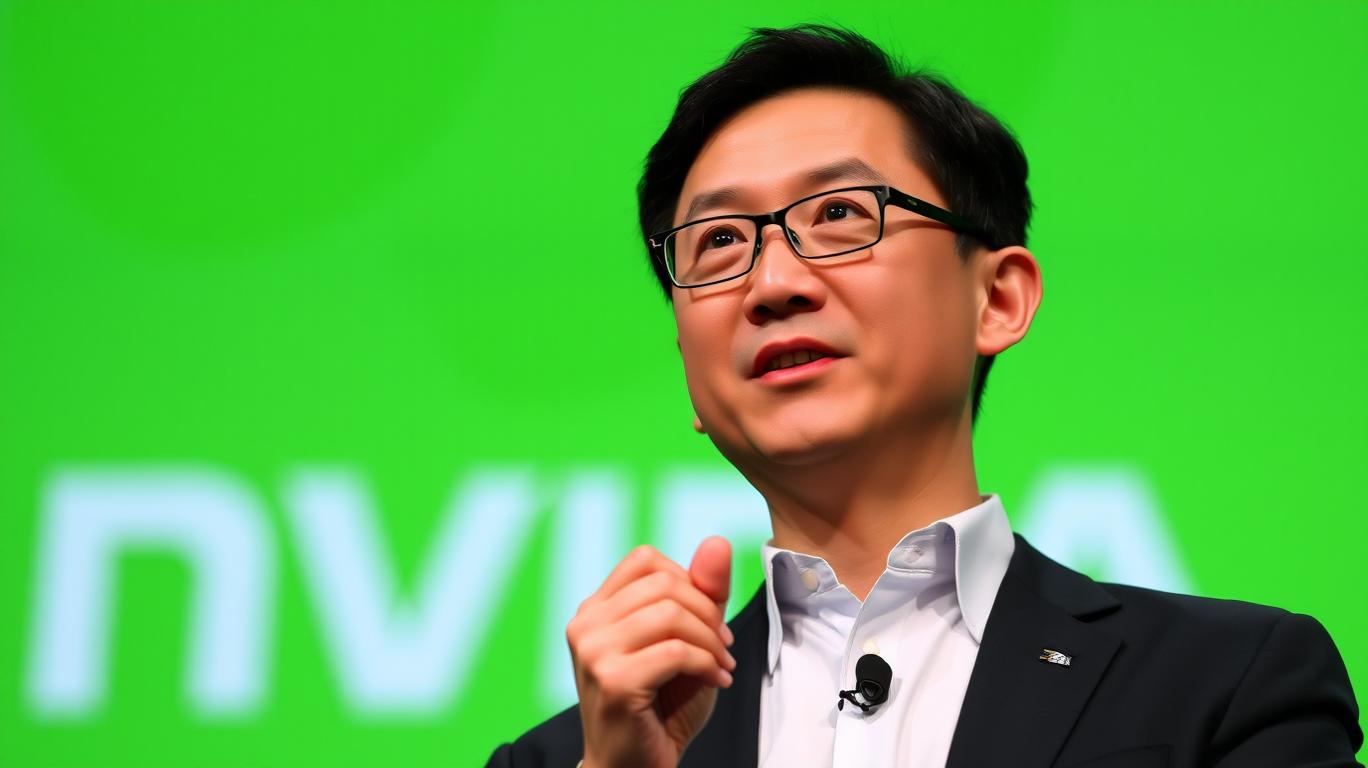
Nvidia's CEO, Jensen Huang, attributed the company's strong performance to the broad industry platform transition from general-purpose to accelerated computing and generative AI. He noted that large language model startups, consumer internet companies, and global cloud service providers were among the first movers, and that the next waves are starting to build. Huang also highlighted the growth engines of Nvidia's GPUs, CPUs, networking, AI foundry services, and NVIDIA AI Enterprise software.
Despite the dip in Nvidia's stock price, the company's Q3 results demonstrated its resilience and growth potential. The strong demand for AI infrastructure and data center products, coupled with the company's robust product portfolio, positions Nvidia well for the future. However, investors may be concerned about the potential impact of supply chain constraints and increased competition on the company's profitability.
Nvidia's competitors, such as AMD, may see the company's guidance as an opportunity to gain market share. However, Nvidia's market leadership and strong financial performance make it challenging for competitors to displace. The broader market may react with caution, as Nvidia's guidance could signal slower growth in the tech sector.
In conclusion, Nvidia's Q3 results were impressive, with revenue nearly doubling year-over-year. However, the company's guidance for the fourth quarter fell short of market expectations, causing a dip in the company's stock price. Despite this setback, Nvidia's strong performance and market leadership position it well for the future. Investors should monitor the company's progress and remain vigilant for any signs of increased competition or supply chain constraints that could impact the company's profitability.
Nvidia's third-quarter revenue surged to $35.08 billion, up 94% from the year-ago period, easily surpassing the average analyst estimate of $33.29 billion. The company's net income also more than doubled, reaching $19.31 billion compared to the projected $17.47 billion. Despite these impressive results, Nvidia's shares slipped about 1% in after-hours trading, as investors focused on the company's guidance for the fourth quarter.
Nvidia expects revenue for the fourth quarter to be $37.5 billion, plus or minus 2%, which was slightly below the market consensus of $38.3 billion. The company also guided for gross margins of 73% to 73.5%, lower than the previous quarter's 74.6% and analysts' expectations of 75.1%. This discrepancy in guidance contributed to a 1% decline in Nvidia's stock price in after-hours trading.
Nvidia's CEO, Jensen Huang, attributed the company's strong performance to the broad industry platform transition from general-purpose to accelerated computing and generative AI. He noted that large language model startups, consumer internet companies, and global cloud service providers were among the first movers, and that the next waves are starting to build. Huang also highlighted the growth engines of Nvidia's GPUs, CPUs, networking, AI foundry services, and NVIDIA AI Enterprise software.
Despite the dip in Nvidia's stock price, the company's Q3 results demonstrated its resilience and growth potential. The strong demand for AI infrastructure and data center products, coupled with the company's robust product portfolio, positions Nvidia well for the future. However, investors may be concerned about the potential impact of supply chain constraints and increased competition on the company's profitability.
Nvidia's competitors, such as AMD, may see the company's guidance as an opportunity to gain market share. However, Nvidia's market leadership and strong financial performance make it challenging for competitors to displace. The broader market may react with caution, as Nvidia's guidance could signal slower growth in the tech sector.
In conclusion, Nvidia's Q3 results were impressive, with revenue nearly doubling year-over-year. However, the company's guidance for the fourth quarter fell short of market expectations, causing a dip in the company's stock price. Despite this setback, Nvidia's strong performance and market leadership position it well for the future. Investors should monitor the company's progress and remain vigilant for any signs of increased competition or supply chain constraints that could impact the company's profitability.

Divulgación editorial y transparencia de la IA: Ainvest News utiliza tecnología avanzada de Modelos de Lenguaje Largo (LLM) para sintetizar y analizar datos de mercado en tiempo real. Para garantizar los más altos estándares de integridad, cada artículo se somete a un riguroso proceso de verificación con participación humana.
Mientras la IA asiste en el procesamiento de datos y la redacción inicial, un miembro editorial profesional de Ainvest revisa, verifica y aprueba de forma independiente todo el contenido para garantizar su precisión y cumplimiento con los estándares editoriales de Ainvest Fintech Inc. Esta supervisión humana está diseñada para mitigar las alucinaciones de la IA y garantizar el contexto financiero.
Advertencia sobre inversiones: Este contenido se proporciona únicamente con fines informativos y no constituye asesoramiento profesional de inversión, legal o financiero. Los mercados conllevan riesgos inherentes. Se recomienda a los usuarios que realicen una investigación independiente o consulten a un asesor financiero certificado antes de tomar cualquier decisión. Ainvest Fintech Inc. se exime de toda responsabilidad por las acciones tomadas con base en esta información. ¿Encontró un error? Reportar un problema


SOBRE NOSOTROS
Nuestra historiaAutores de noticiasBase de conocimientosPolítica de privacidadTérmino de usoDescargo de responsabilidad de corretaje de tercerosTérminos de uso de AIMEDivulgaciones de riesgos de AInvest AICarrerasCONTÁCTENOS
Email: support@ainvest.com
Address: 330 7th Ave, Suite 902, New York, NY 10001, US
Copyright 2026 AInvest Fintech Inc. All rights reserved.


Comentarios
Aún no hay comentarios