
Nvidia's Robust Demand for TSMC's Advanced Packaging: Navigating Technological Shifts
Generado por agente de IATheodore Quinn
jueves, 16 de enero de 2025, 2:25 pm ET1 min de lectura
NVDA--
Nvidia's demand for Taiwan Semiconductor Manufacturing Co. (TSMC)'s advanced packaging remains robust despite evolving technology requirements, as reported by Reuters. Nvidia's chief executive officer, Jensen Huang, recently shared that the company's most advanced AI chip, Blackwell, consists of multiple chips glued together using TSMC's Chip-On-Wafer-On-Substrate (CoWoS) advanced packaging technology. This technology enables Nvidia to produce high-performance AI chips, such as the Hopper AI chip, which relies on CoWoS-S for its packaging.
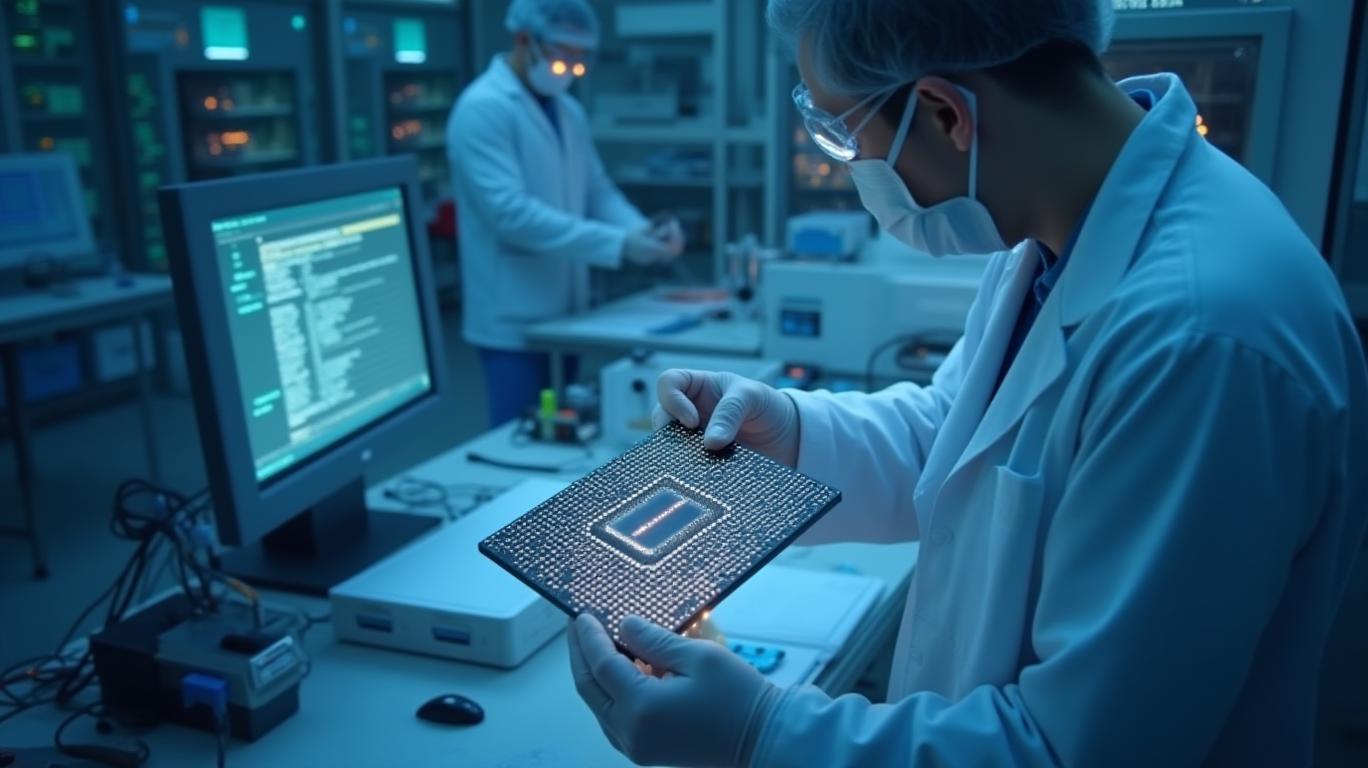
However, Nvidia is transitioning from CoWoS-S to CoWoS-L for its Blackwell transition, which may affect Taiwanese chipmaker's CoWoS-S revenue, as reported by TF International Securities analyst Ming-Chi Kuo and Taiwan media. This shift is due to capacity constraints in packaging, which has been a bottleneck for Nvidia's Blackwell chips. Despite TSMC's efforts to ramp up production, the demand for advanced packaging continues to exceed supply. TSMC plans to double its CoWoS production capacity by 2025, with Nvidia projected to occupy over 50% of that capacity.
Huang also addressed the broader implications of AI development, stating that AI combined with robotics will bring tremendous benefits to Taiwan's world-leading electronics industry. This collaboration between Nvidia and SPIL highlights the strong relationship between the two companies and underscores the critical role Taiwan plays in the global AI supply chain.

The Biden administration has proposed a new framework for exports of advanced computer chips used to develop AI, aiming to balance national security concerns with the economic interests of producers and other countries. Part of the motivation is to make it harder for China to circumvent existing restrictions that were focused on China. Chip companies have criticized the policy as hastily drawn up and potentially damaging to the industry. The proposed framework includes a 120-day comment period, leaving room for the incoming Republican administration to potentially determine the rules for sales abroad of advanced computer chips designed mostly by California companies such as Nvidia and AMD but manufactured in locations such as Taiwan and South Korea.
In conclusion, Nvidia's strong demand for TSMC's advanced packaging persists despite technological shifts, highlighting the growing importance of advanced packaging in the AI chip supply chain. As Nvidia transitions to CoWoS-L and TSMC expands its production capacity, the industry continues to evolve to meet the growing needs of AI chip manufacturers. The geopolitical landscape surrounding AI chip exports adds another layer of complexity to the dynamics of the global semiconductor industry.
TSM--
Nvidia's demand for Taiwan Semiconductor Manufacturing Co. (TSMC)'s advanced packaging remains robust despite evolving technology requirements, as reported by Reuters. Nvidia's chief executive officer, Jensen Huang, recently shared that the company's most advanced AI chip, Blackwell, consists of multiple chips glued together using TSMC's Chip-On-Wafer-On-Substrate (CoWoS) advanced packaging technology. This technology enables Nvidia to produce high-performance AI chips, such as the Hopper AI chip, which relies on CoWoS-S for its packaging.
However, Nvidia is transitioning from CoWoS-S to CoWoS-L for its Blackwell transition, which may affect Taiwanese chipmaker's CoWoS-S revenue, as reported by TF International Securities analyst Ming-Chi Kuo and Taiwan media. This shift is due to capacity constraints in packaging, which has been a bottleneck for Nvidia's Blackwell chips. Despite TSMC's efforts to ramp up production, the demand for advanced packaging continues to exceed supply. TSMC plans to double its CoWoS production capacity by 2025, with Nvidia projected to occupy over 50% of that capacity.
Huang also addressed the broader implications of AI development, stating that AI combined with robotics will bring tremendous benefits to Taiwan's world-leading electronics industry. This collaboration between Nvidia and SPIL highlights the strong relationship between the two companies and underscores the critical role Taiwan plays in the global AI supply chain.
The Biden administration has proposed a new framework for exports of advanced computer chips used to develop AI, aiming to balance national security concerns with the economic interests of producers and other countries. Part of the motivation is to make it harder for China to circumvent existing restrictions that were focused on China. Chip companies have criticized the policy as hastily drawn up and potentially damaging to the industry. The proposed framework includes a 120-day comment period, leaving room for the incoming Republican administration to potentially determine the rules for sales abroad of advanced computer chips designed mostly by California companies such as Nvidia and AMD but manufactured in locations such as Taiwan and South Korea.
In conclusion, Nvidia's strong demand for TSMC's advanced packaging persists despite technological shifts, highlighting the growing importance of advanced packaging in the AI chip supply chain. As Nvidia transitions to CoWoS-L and TSMC expands its production capacity, the industry continues to evolve to meet the growing needs of AI chip manufacturers. The geopolitical landscape surrounding AI chip exports adds another layer of complexity to the dynamics of the global semiconductor industry.

Divulgación editorial y transparencia de la IA: Ainvest News utiliza tecnología avanzada de Modelos de Lenguaje Largo (LLM) para sintetizar y analizar datos de mercado en tiempo real. Para garantizar los más altos estándares de integridad, cada artículo se somete a un riguroso proceso de verificación con participación humana.
Mientras la IA asiste en el procesamiento de datos y la redacción inicial, un miembro editorial profesional de Ainvest revisa, verifica y aprueba de forma independiente todo el contenido para garantizar su precisión y cumplimiento con los estándares editoriales de Ainvest Fintech Inc. Esta supervisión humana está diseñada para mitigar las alucinaciones de la IA y garantizar el contexto financiero.
Advertencia sobre inversiones: Este contenido se proporciona únicamente con fines informativos y no constituye asesoramiento profesional de inversión, legal o financiero. Los mercados conllevan riesgos inherentes. Se recomienda a los usuarios que realicen una investigación independiente o consulten a un asesor financiero certificado antes de tomar cualquier decisión. Ainvest Fintech Inc. se exime de toda responsabilidad por las acciones tomadas con base en esta información. ¿Encontró un error? Reportar un problema




Comentarios
Aún no hay comentarios