
Nvidia's Quantum Gambit: A Market Misfire
Generado por agente de IATheodore Quinn
viernes, 21 de marzo de 2025, 12:34 pm ET3 min de lectura
NVDA--
Nvidia's CEO, Jensen Huang, took the stage at the company's annual GTC conference with a mission to clarify his earlier skepticism about quantum computingQUBT--. However, his efforts to bolster the industry ended up causing another sell-off in quantum-related stocks. Let's dive into the details and understand the market's reaction to Huang's comments.
The Initial Skepticism
In January 2025, Huang made headlines when he suggested that quantum computing might not be very useful for another 15 to 30 years. This statement sent shockwaves through the quantum computing sector, with stocks of companies like PsiQuantum, D-WaveQBTS--, and IonQ plummeting by as much as 40%. The market's reaction was swift and severe, reflecting the deep skepticism that Huang's comments had sparked.
The GTC 2025 Conference
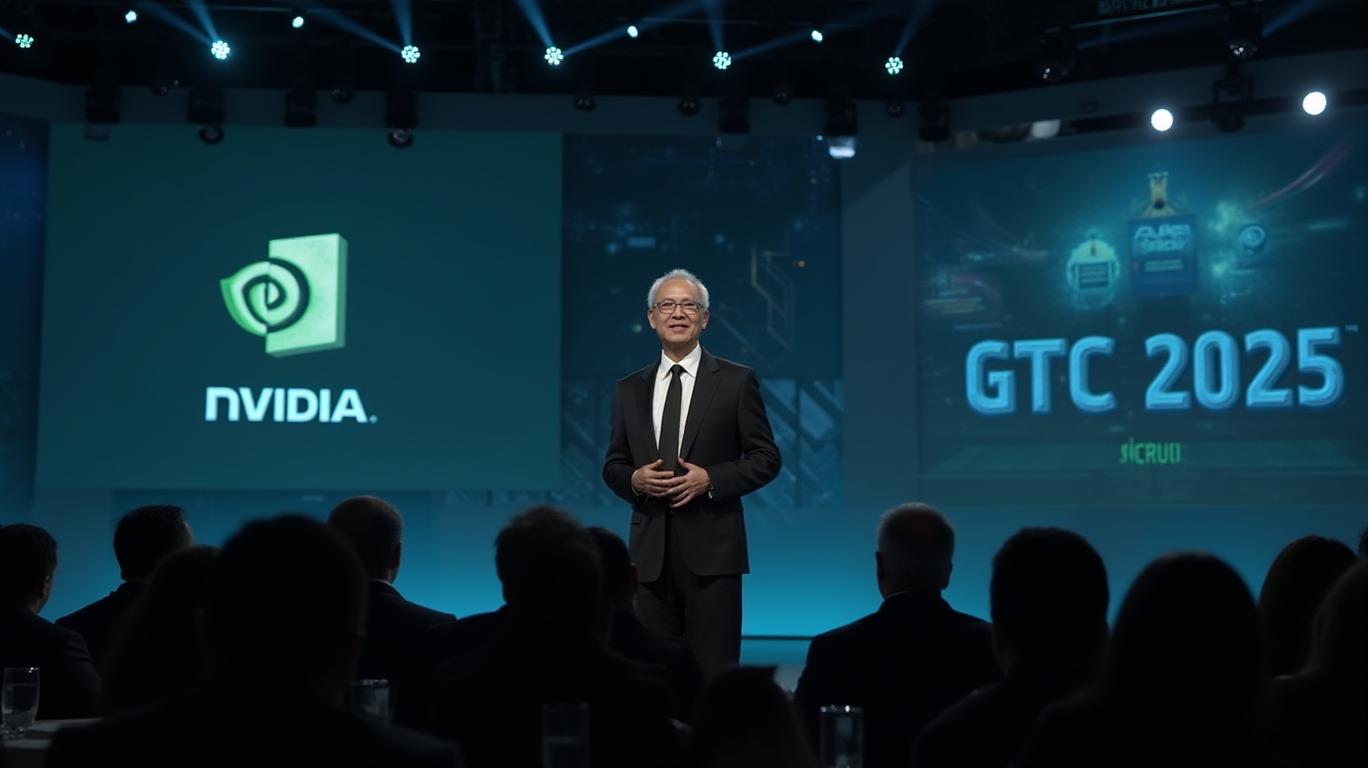
At the GTC 2025 conference, Huang sought to walk back his earlier remarks. He hosted a panel discussion with leaders from top quantum computing companies, including Atom Computing, D-Wave, Infleqtion, QuEra, IonQ, Pasqal, and Quantinuum. The event, dubbed "Quantum Day," was designed to explore the potential impact of quantum technology on various industries.
Huang acknowledged the progress made in quantum computing but suggested that the technology might be better framed as a quantum instrument rather than a traditional computer. This view sparked debate among panelists and underscored the complexity and challenges associated with making quantum computing practical.
The Market's Reaction
Despite Huang's efforts to clarify his stance and support the quantum computing industry, the market's reaction was less than enthusiastic. Stocks of quantum computing companies continued to struggle, with D-Wave (QBTS) dropping 18%, Quantum Computing Inc. (QUBT) falling 11.7%, IonQ (IONQ) declining 9.3%, and Rigetti (RGTI) slipping 9.2%. The Quantum Defiance ETF (QTUM) also dropped 2%.
The Underlying Reasons
The market's reaction to Huang's comments can be attributed to several factors:
1. Market Skepticism: Huang's initial comments cast doubt on the near-term viability of quantum computing, leading to a wave of skepticism among investors. This skepticism was further fueled by the complexity and challenges associated with making quantum computing practical.
2. Investor Confidence: The sharp decline in stock prices reflected a loss of investor confidence in the immediate potential of quantum computing. Investors were reassessing their expectations and the timeline for quantum computing's practical applications.
3. Industry Response: Huang's remarks invited quantum industry leaders to counter his skepticism, calling it the first event in history where a public company CEO asks guests to explain why he was wrong. This invitation highlighted the industry's need to prove the real-world value of quantum computing and address the skepticism head-on.
4. Technological Complexity: Huang acknowledged the progress in quantum computing but suggested that the technology might be better framed as a quantum instrument rather than a traditional computer. This view sparked debate among panelists and underscored the complexity and challenges associated with making quantum computing practical.
Nvidia's Actions
During the GTC 2025 conference, NvidiaNVDA-- took several specific actions to support the quantum computing industry:
1. Hosting Quantum Day: Nvidia hosted its first-ever Quantum Day, an event dedicated to exploring how quantum technology could impact various industries. This event featured a panel discussion led by CEO Jensen Huang, alongside executives from leading quantum computing companies.
2. Investing in Research: Nvidia announced the launch of the Nvidia Accelerated Quantum Research Center (NVAQC) in Boston. This new facility will focus on integrating AI supercomputing with quantum systems, particularly emphasizing quantum error correction—a critical hurdle in making quantum computing practical.
3. Inviting Industry Leaders: Huang invited quantum industry leaders to counter his skepticism, calling it the first event in history where a public company CEO asks guests to explain why he was wrong. This action showed a willingness to engage in open dialogue and learn from industry experts.
4. Challenging the Industry: Huang challenged the industry to prove the real-world value of quantum computing and urged realism in expectations. He stated, "The quantum industry has to find markets where this technology delivers real impact. We need to lower our expectations for the present and focus on how to build these systems for the greater good."
5. Announcing Future Demos: Huang also mentioned that next year, there would be some quantum demos at GTC, indicating Nvidia's continued involvement and support for the development of quantum technology.
Conclusion
Nvidia's efforts to support the quantum computing industry during its GTC 2025 conference were commendable. However, the market's reaction to Huang's comments highlights the deep skepticism and challenges associated with making quantum computing practical. As the industry continues to evolve, it will be crucial for companies to prove the real-world value of quantum computing and address the skepticism head-on. Only then can the sector hope to regain investor confidence and achieve sustainable growth.
QBTS--
QUBT--
Nvidia's CEO, Jensen Huang, took the stage at the company's annual GTC conference with a mission to clarify his earlier skepticism about quantum computingQUBT--. However, his efforts to bolster the industry ended up causing another sell-off in quantum-related stocks. Let's dive into the details and understand the market's reaction to Huang's comments.
The Initial Skepticism
In January 2025, Huang made headlines when he suggested that quantum computing might not be very useful for another 15 to 30 years. This statement sent shockwaves through the quantum computing sector, with stocks of companies like PsiQuantum, D-WaveQBTS--, and IonQ plummeting by as much as 40%. The market's reaction was swift and severe, reflecting the deep skepticism that Huang's comments had sparked.
The GTC 2025 Conference
At the GTC 2025 conference, Huang sought to walk back his earlier remarks. He hosted a panel discussion with leaders from top quantum computing companies, including Atom Computing, D-Wave, Infleqtion, QuEra, IonQ, Pasqal, and Quantinuum. The event, dubbed "Quantum Day," was designed to explore the potential impact of quantum technology on various industries.
Huang acknowledged the progress made in quantum computing but suggested that the technology might be better framed as a quantum instrument rather than a traditional computer. This view sparked debate among panelists and underscored the complexity and challenges associated with making quantum computing practical.
The Market's Reaction
Despite Huang's efforts to clarify his stance and support the quantum computing industry, the market's reaction was less than enthusiastic. Stocks of quantum computing companies continued to struggle, with D-Wave (QBTS) dropping 18%, Quantum Computing Inc. (QUBT) falling 11.7%, IonQ (IONQ) declining 9.3%, and Rigetti (RGTI) slipping 9.2%. The Quantum Defiance ETF (QTUM) also dropped 2%.
The Underlying Reasons
The market's reaction to Huang's comments can be attributed to several factors:
1. Market Skepticism: Huang's initial comments cast doubt on the near-term viability of quantum computing, leading to a wave of skepticism among investors. This skepticism was further fueled by the complexity and challenges associated with making quantum computing practical.
2. Investor Confidence: The sharp decline in stock prices reflected a loss of investor confidence in the immediate potential of quantum computing. Investors were reassessing their expectations and the timeline for quantum computing's practical applications.
3. Industry Response: Huang's remarks invited quantum industry leaders to counter his skepticism, calling it the first event in history where a public company CEO asks guests to explain why he was wrong. This invitation highlighted the industry's need to prove the real-world value of quantum computing and address the skepticism head-on.
4. Technological Complexity: Huang acknowledged the progress in quantum computing but suggested that the technology might be better framed as a quantum instrument rather than a traditional computer. This view sparked debate among panelists and underscored the complexity and challenges associated with making quantum computing practical.
Nvidia's Actions
During the GTC 2025 conference, NvidiaNVDA-- took several specific actions to support the quantum computing industry:
1. Hosting Quantum Day: Nvidia hosted its first-ever Quantum Day, an event dedicated to exploring how quantum technology could impact various industries. This event featured a panel discussion led by CEO Jensen Huang, alongside executives from leading quantum computing companies.
2. Investing in Research: Nvidia announced the launch of the Nvidia Accelerated Quantum Research Center (NVAQC) in Boston. This new facility will focus on integrating AI supercomputing with quantum systems, particularly emphasizing quantum error correction—a critical hurdle in making quantum computing practical.
3. Inviting Industry Leaders: Huang invited quantum industry leaders to counter his skepticism, calling it the first event in history where a public company CEO asks guests to explain why he was wrong. This action showed a willingness to engage in open dialogue and learn from industry experts.
4. Challenging the Industry: Huang challenged the industry to prove the real-world value of quantum computing and urged realism in expectations. He stated, "The quantum industry has to find markets where this technology delivers real impact. We need to lower our expectations for the present and focus on how to build these systems for the greater good."
5. Announcing Future Demos: Huang also mentioned that next year, there would be some quantum demos at GTC, indicating Nvidia's continued involvement and support for the development of quantum technology.
Conclusion
Nvidia's efforts to support the quantum computing industry during its GTC 2025 conference were commendable. However, the market's reaction to Huang's comments highlights the deep skepticism and challenges associated with making quantum computing practical. As the industry continues to evolve, it will be crucial for companies to prove the real-world value of quantum computing and address the skepticism head-on. Only then can the sector hope to regain investor confidence and achieve sustainable growth.

Divulgación editorial y transparencia de la IA: Ainvest News utiliza tecnología avanzada de Modelos de Lenguaje Largo (LLM) para sintetizar y analizar datos de mercado en tiempo real. Para garantizar los más altos estándares de integridad, cada artículo se somete a un riguroso proceso de verificación con participación humana.
Mientras la IA asiste en el procesamiento de datos y la redacción inicial, un miembro editorial profesional de Ainvest revisa, verifica y aprueba de forma independiente todo el contenido para garantizar su precisión y cumplimiento con los estándares editoriales de Ainvest Fintech Inc. Esta supervisión humana está diseñada para mitigar las alucinaciones de la IA y garantizar el contexto financiero.
Advertencia sobre inversiones: Este contenido se proporciona únicamente con fines informativos y no constituye asesoramiento profesional de inversión, legal o financiero. Los mercados conllevan riesgos inherentes. Se recomienda a los usuarios que realicen una investigación independiente o consulten a un asesor financiero certificado antes de tomar cualquier decisión. Ainvest Fintech Inc. se exime de toda responsabilidad por las acciones tomadas con base en esta información. ¿Encontró un error? Reportar un problema




Comentarios
Aún no hay comentarios