
NVIDIA's Push for Japan's Energy Expansion: A Crucible for Global AI Leadership
In a meeting that underscored the interplay between energy infrastructure and technological progress, NVIDIANVDA-- CEO Jensen Huang urged Japanese Prime Minister Shigeru Ishiba to prioritize energy expansion to fuel the country’s ambitions in artificial intelligence (AI). The April 21 discussion highlighted Japan’s pivotal role in shaping the global AI landscape—and the steep challenges it faces in doing so.
At the heart of the conversation lies a paradox: Japan’s industrial prowess in robotics and manufacturing positions it as a natural leader in AI-driven automation, yet its energy grid struggles to keep pace with the voracious power demands of AI data centers. The International Energy Agency (IEA) warns that such facilities could accelerate electricity consumption at the fastest rate in years, requiring infrastructure upgrades that Japan’s resource-poor economy has historically struggled to deliver.
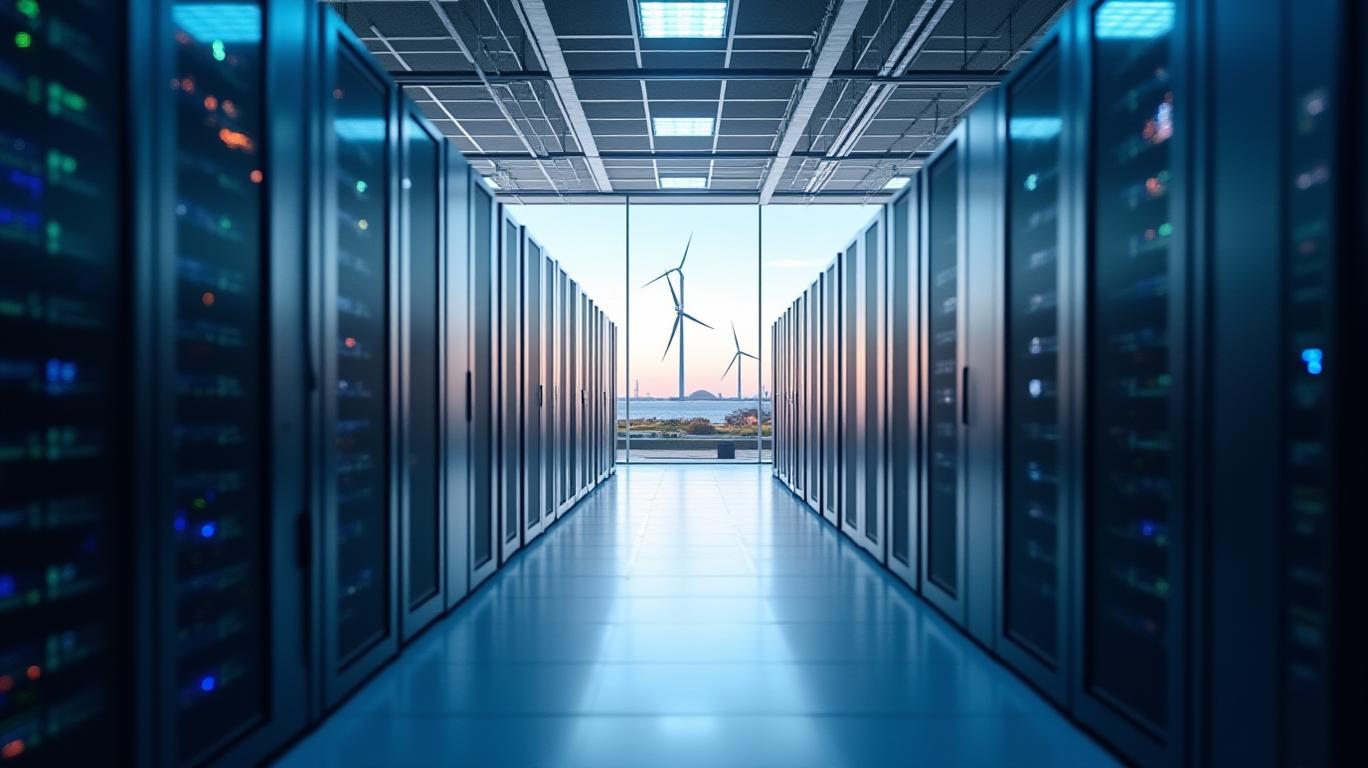
Japan’s Energy Crossroads
Japan’s post-Fukushima reliance on fossil fuels and nuclear energy constraints has left it vulnerable to volatile energy costs. While renewable energy projects are expanding, they cannot yet meet the baseload needs of 24/7 data centers. Huang’s advocacy for new power generation aligns with the government’s consideration of a $44 billion liquefied natural gas (LNG) project in Alaska—a venture that could secure stable, affordable energy while deepening U.S.-Japan energy ties.
This project faces hurdles, however. Domestic opposition to fossil fuels and the logistical complexity of an Alaska-based venture could delay its realization. Meanwhile, existing data centers already consume 2% of Japan’s total electricity, a figure projected to double by 2030.
Geopolitics and the AI Chip Tradeoff
The meeting’s timing underscores broader geopolitical stakes. U.S. restrictions on NVIDIA’s sales of advanced AI chips to China—triggering a $5.5 billion writedown—have intensified scrutiny of semiconductor exports. Huang’s back-to-back visits to Beijing and Tokyo reflect the delicate balancing act required to navigate U.S.-China tensions while cultivating AI partnerships.
Investors must weigh two risks: the potential for further export controls to crimp NVIDIA’s growth in Asia, and the opportunity for Japan to become a “neutral” AI hub unshackled from geopolitical strife. The latter hinges on resolving energy bottlenecks.
The Investment Case: Energy Infrastructure and AI Synergy
Japan’s push to become an AI leader could catalyze investments in two critical areas:
1. Energy Infrastructure: Companies like JERA (Japan’s largest power generator) or Mitsubishi Heavy Industries, which develops LNG facilities and renewables, stand to benefit from grid upgrades.
2. AI-Driven Industries: Firms leveraging AI in healthcare (e.g., Terumo), manufacturing (Fanuc robotics), or agriculture (Suntory) could see productivity gains if energy costs stabilize.
However, the path is fraught. The IEA estimates that data centers alone will require $30 billion in global infrastructure spending by 2030—a burden Japan may struggle to shoulder alone.
Conclusion: A High-Reward, High-Risk Gamble
Japan’s AI ambitions rest on a precarious balance of energy, geopolitics, and capital. If it can secure affordable power—via Alaska’s LNG or domestic renewables—its industrial might could propel it to AI supremacy. NVIDIA’s $5.5 billion writedown serves as a stark reminder of the risks: missteps in energy policy could strand data centers and deflate investor confidence.
Investors should monitor two key metrics:
1. Progress on the Alaska LNG project, which could stabilize energy costs by 2030.
2. NVIDIA’s quarterly sales in Japan and Asia-Pacific, which now account for 35% of its revenue.
A successful outcome would position Japan as a linchpin of the global AI economy, while failure could cement its status as a laggard in the race to harness the next industrial revolution. The stakes, quite literally, could not be higher.





Comentarios
Aún no hay comentarios