
"Nvidia GTC: What could lift the chip stock back up in 2025?"
Generado por agente de IATheodore Quinn
martes, 18 de marzo de 2025, 7:30 pm ET2 min de lectura
NVDA--
The NVIDIANVDA-- GTC 2025 conference is set to be a game-changer for the tech giant, and it could be the catalyst that lifts NVIDIA's stock price back up. The conference, which is described as "bigger and better than ever," brings together thousands of developers, innovators, and business leaders to explore how AI and accelerated computing are helping humanity solve complex challenges. This event underscores NVIDIA's leadership in the AI and computing sectors, which can drive investor confidence and attract new partnerships and collaborations.
One key aspect of the GTC conference is the focus on real-world applications of AI, such as in healthcare, industrial digitalization, and robotics. For instance, the conference features sessions on "Harnessing AI Agents for Enterprise Success" and "Physical AI for the Next FrontierULCC-- of Industrial Digitalization," which highlight the practical benefits of AI in various industries. These applications can lead to increased demand for NVIDIA's products and services, driving revenue growth and enhancing the company's market position.
Additionally, the conference showcases NVIDIA's technological advancements, such as the NVIDIA Cosmos World base model and the CUDA platform. These innovations are crucial for developers and enterprises looking to leverage AI and accelerated computing. For example, the CUDA platform is described as "the foundation of the GPU computing ecosystem," indicating its importance in enabling AI applications. This technological leadership can attract more customers and partners, further boosting NVIDIA's growth prospects.
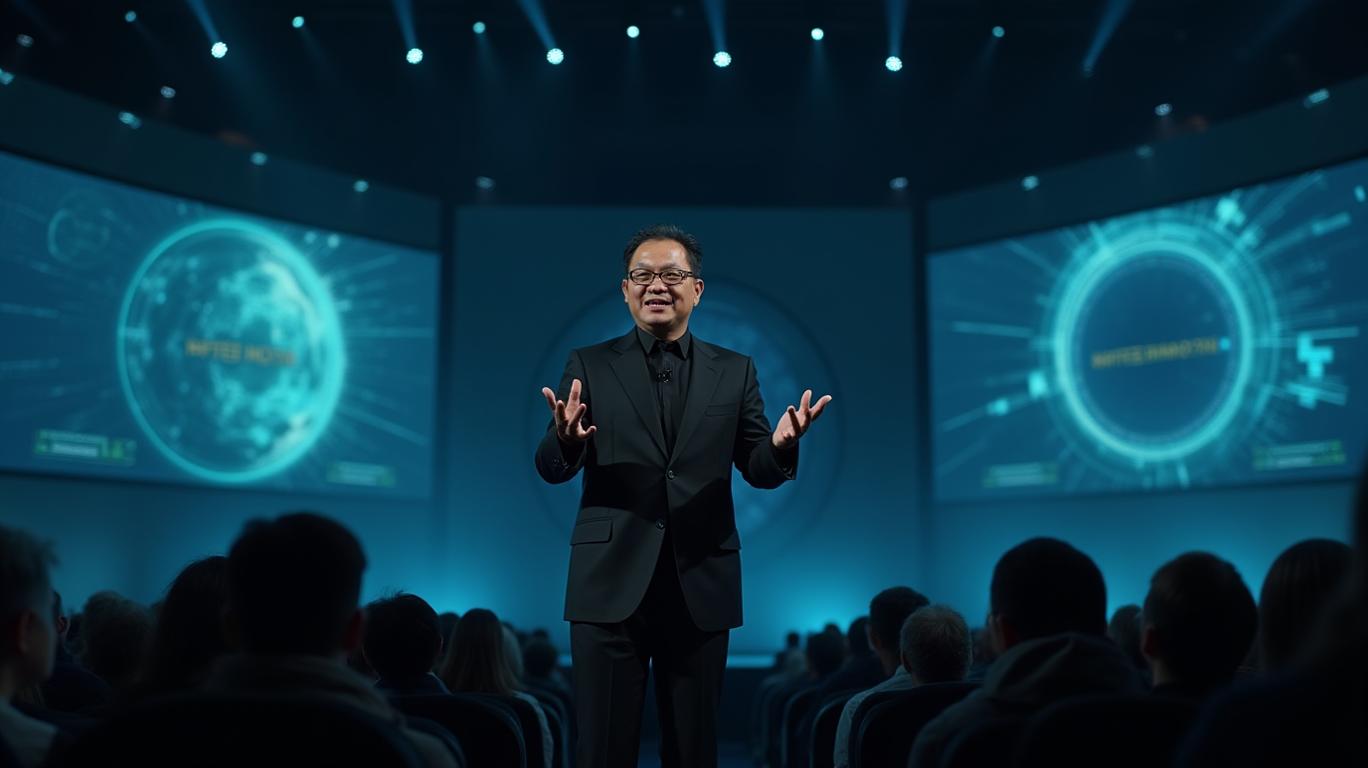
Furthermore, the GTC conference provides a platform for NVIDIA to demonstrate its commitment to innovation and its role in shaping the future of AI. The keynote by NVIDIA CEO Jensen Huang, for instance, covers topics like "agentic AI, robotics, accelerated computing, and more," positioning NVIDIA at the forefront of technological advancements. This leadership can enhance the company's brand value and attract more investment, positively impacting its stock performance.
However, despite the positive developments showcased at the GTC conference, there are potential risks or challenges that could hinder NVIDIA's stock recovery. One significant risk is the volatility in the stock market, which can be influenced by various external factors such as economic conditions, geopolitical events, and investor sentiment. For instance, Facebook's stock decline following its IPO serves as a cautionary tale, where technical problems and investor complaints led to a significant drop in share price. Similarly, NVIDIA's stock could be affected by unforeseen issues or negative market reactions.
Another challenge is the intense competition in the AI and technology sectors. While NVIDIA is a leader in AI and accelerated computing, competitors like AMD, Intel, and other emerging players could introduce innovative products or technologies that challenge NVIDIA's market position. The rapid pace of technological advancements means that NVIDIA must continuously innovate to stay ahead, which requires substantial investment in research and development.
Additionally, regulatory and legal challenges could pose risks to NVIDIA's operations. The class action suit against Facebook, Zuckerberg, and the underwriters, including Morgan Stanley, JPMorgan Chase, Goldman Sachs, Barclays Capital, and Merrill Lynch, highlights the potential legal risks associated with IPOs and corporate governance. NVIDIA could face similar legal challenges or regulatory scrutiny, which could impact its stock performance.
Furthermore, supply chain disruptions and geopolitical tensions could affect NVIDIA's ability to manufacture and deliver its products. The global semiconductor shortage and trade restrictions between the U.S. and China have already impacted the tech industry, and any further disruptions could hinder NVIDIA's growth and stock recovery.
Lastly, the reliance on a few key customers or industries could make NVIDIA vulnerable to market fluctuations. For example, if the demand for AI and accelerated computing solutions in the gaming, automotive, or data center industries declines, it could negatively impact NVIDIA's revenue and stock performance. Therefore, NVIDIA must diversify its customer base and product offerings to mitigate this risk.
In conclusion, the integration of AI and accelerated computing, as highlighted at the GTC conference, can drive NVIDIA's long-term growth by increasing demand for its products, attracting new partnerships, and enhancing its market position. The conference's focus on real-world applications and technological advancements further supports this analysis, indicating a positive outlook for NVIDIA's stock performance. However, investors should also be aware of the potential risks and challenges that could impact NVIDIA's stock recovery.
The NVIDIANVDA-- GTC 2025 conference is set to be a game-changer for the tech giant, and it could be the catalyst that lifts NVIDIA's stock price back up. The conference, which is described as "bigger and better than ever," brings together thousands of developers, innovators, and business leaders to explore how AI and accelerated computing are helping humanity solve complex challenges. This event underscores NVIDIA's leadership in the AI and computing sectors, which can drive investor confidence and attract new partnerships and collaborations.
One key aspect of the GTC conference is the focus on real-world applications of AI, such as in healthcare, industrial digitalization, and robotics. For instance, the conference features sessions on "Harnessing AI Agents for Enterprise Success" and "Physical AI for the Next FrontierULCC-- of Industrial Digitalization," which highlight the practical benefits of AI in various industries. These applications can lead to increased demand for NVIDIA's products and services, driving revenue growth and enhancing the company's market position.
Additionally, the conference showcases NVIDIA's technological advancements, such as the NVIDIA Cosmos World base model and the CUDA platform. These innovations are crucial for developers and enterprises looking to leverage AI and accelerated computing. For example, the CUDA platform is described as "the foundation of the GPU computing ecosystem," indicating its importance in enabling AI applications. This technological leadership can attract more customers and partners, further boosting NVIDIA's growth prospects.
Furthermore, the GTC conference provides a platform for NVIDIA to demonstrate its commitment to innovation and its role in shaping the future of AI. The keynote by NVIDIA CEO Jensen Huang, for instance, covers topics like "agentic AI, robotics, accelerated computing, and more," positioning NVIDIA at the forefront of technological advancements. This leadership can enhance the company's brand value and attract more investment, positively impacting its stock performance.
However, despite the positive developments showcased at the GTC conference, there are potential risks or challenges that could hinder NVIDIA's stock recovery. One significant risk is the volatility in the stock market, which can be influenced by various external factors such as economic conditions, geopolitical events, and investor sentiment. For instance, Facebook's stock decline following its IPO serves as a cautionary tale, where technical problems and investor complaints led to a significant drop in share price. Similarly, NVIDIA's stock could be affected by unforeseen issues or negative market reactions.
Another challenge is the intense competition in the AI and technology sectors. While NVIDIA is a leader in AI and accelerated computing, competitors like AMD, Intel, and other emerging players could introduce innovative products or technologies that challenge NVIDIA's market position. The rapid pace of technological advancements means that NVIDIA must continuously innovate to stay ahead, which requires substantial investment in research and development.
Additionally, regulatory and legal challenges could pose risks to NVIDIA's operations. The class action suit against Facebook, Zuckerberg, and the underwriters, including Morgan Stanley, JPMorgan Chase, Goldman Sachs, Barclays Capital, and Merrill Lynch, highlights the potential legal risks associated with IPOs and corporate governance. NVIDIA could face similar legal challenges or regulatory scrutiny, which could impact its stock performance.
Furthermore, supply chain disruptions and geopolitical tensions could affect NVIDIA's ability to manufacture and deliver its products. The global semiconductor shortage and trade restrictions between the U.S. and China have already impacted the tech industry, and any further disruptions could hinder NVIDIA's growth and stock recovery.
Lastly, the reliance on a few key customers or industries could make NVIDIA vulnerable to market fluctuations. For example, if the demand for AI and accelerated computing solutions in the gaming, automotive, or data center industries declines, it could negatively impact NVIDIA's revenue and stock performance. Therefore, NVIDIA must diversify its customer base and product offerings to mitigate this risk.
In conclusion, the integration of AI and accelerated computing, as highlighted at the GTC conference, can drive NVIDIA's long-term growth by increasing demand for its products, attracting new partnerships, and enhancing its market position. The conference's focus on real-world applications and technological advancements further supports this analysis, indicating a positive outlook for NVIDIA's stock performance. However, investors should also be aware of the potential risks and challenges that could impact NVIDIA's stock recovery.

Divulgación editorial y transparencia de la IA: Ainvest News utiliza tecnología avanzada de Modelos de Lenguaje Largo (LLM) para sintetizar y analizar datos de mercado en tiempo real. Para garantizar los más altos estándares de integridad, cada artículo se somete a un riguroso proceso de verificación con participación humana.
Mientras la IA asiste en el procesamiento de datos y la redacción inicial, un miembro editorial profesional de Ainvest revisa, verifica y aprueba de forma independiente todo el contenido para garantizar su precisión y cumplimiento con los estándares editoriales de Ainvest Fintech Inc. Esta supervisión humana está diseñada para mitigar las alucinaciones de la IA y garantizar el contexto financiero.
Advertencia sobre inversiones: Este contenido se proporciona únicamente con fines informativos y no constituye asesoramiento profesional de inversión, legal o financiero. Los mercados conllevan riesgos inherentes. Se recomienda a los usuarios que realicen una investigación independiente o consulten a un asesor financiero certificado antes de tomar cualquier decisión. Ainvest Fintech Inc. se exime de toda responsabilidad por las acciones tomadas con base en esta información. ¿Encontró un error? Reportar un problema




Comentarios
Aún no hay comentarios