
Nvidia CEO Huang: Tariffs Won't 'Significantly' Hurt Financials, Eyes Onshore Manufacturing
Generado por agente de IATheodore Quinn
viernes, 21 de marzo de 2025, 9:31 am ET2 min de lectura
NVDA--
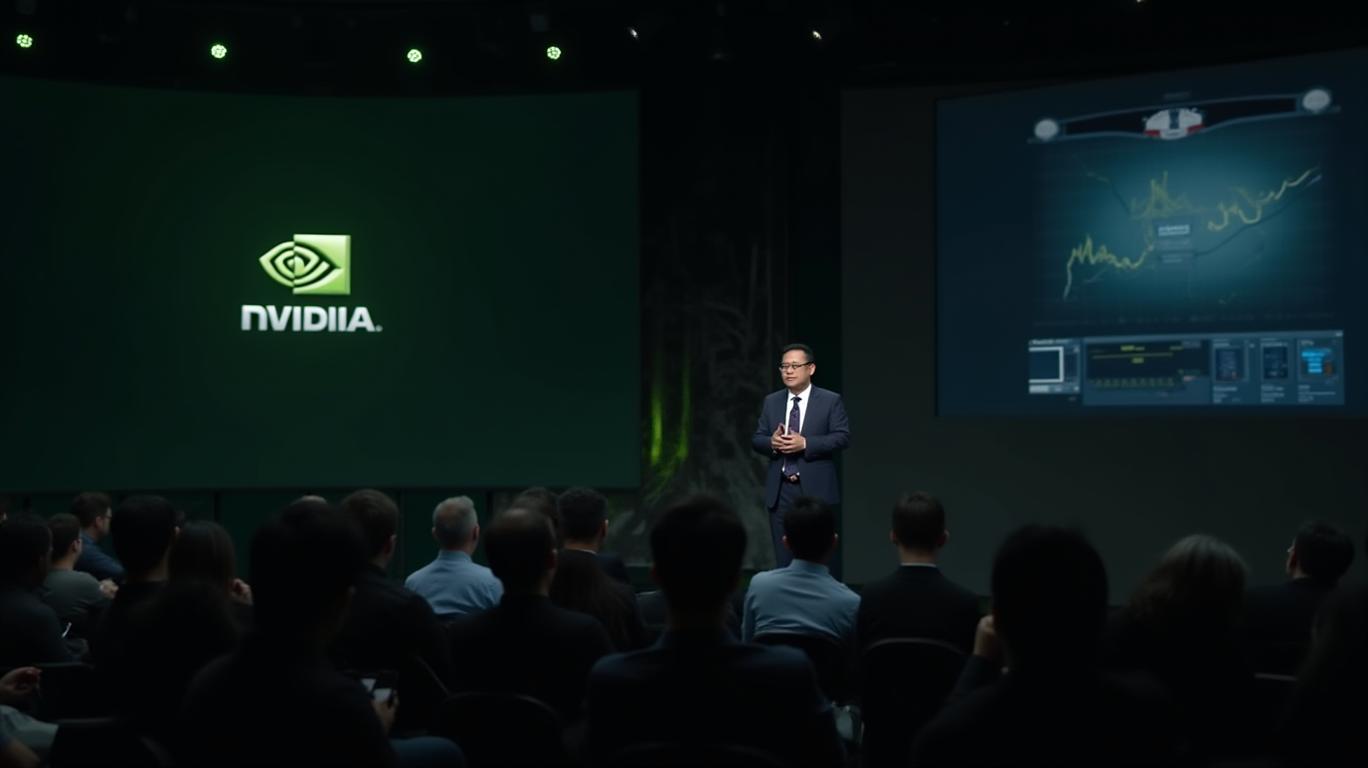
Nvidia CEO Jensen Huang has a clear message for investors: tariffs won't significantly impact the company's financial outlook. Speaking at Nvidia's GTC 2025 event, Huang emphasized that the company's agile supply chain and distributed manufacturing network are well-equipped to handle potential tariffs. "In the near term, based on what we know, we're not expecting significant impact to our outlook and our financials," Huang stated confidently.
Huang's optimism is rooted in Nvidia's strategic approach to manufacturing. The company's supply chain is spread across multiple countries, allowing it to pivot and adapt to tariffs imposed by any single nation. "They're kind of distributed in a lot of places, and it depends on what gets built, what gets purchased in the United States, and where the final destination of the product is," Huang explained. This flexibility means that NvidiaNVDA-- can adjust its operations to minimize the financial impact of tariffs.
But Huang isn't just relying on agility; he's also looking to the future. Nvidia is actively working to increase its manufacturing capacity in the US. "The simplest way to think about that is our agility is terrific today, missing onshore manufacturing," Huang said. "If we add onshore manufacturing by the end of this year, we should be quite good." This move is part of a broader strategy to enhance supply chain resilience and reduce exposure to trade barriers.
Nvidia's financial performance supports Huang's confidence. The company reported a 78% year-over-year increase in revenue to $39.33 billion in the latest quarter, with an adjusted gross margin of approximately 75.5%. This strong financial position means that even if tariffs do impact Nvidia, the company has the resources to weather the storm.
However, the road to increased onshore manufacturing isn't without its challenges. Establishing and maintaining manufacturing facilities in the US will be costly, and it could divert resources away from other strategic initiatives. Additionally, Nvidia's reliance on US-based manufacturing could make it more vulnerable to geopolitical risks and fluctuations in US policies.
Despite these challenges, Huang remains optimistic about Nvidia's future. "We're enthusiastic about building in America as anybody," he said. "We've been working with TSMC to get them ready for manufacturing chips here in the United States. We also have great partners like Foxconn and Wistron, who are working with us to bring manufacturing onshore, so long-term manufacturing onshore is going to be something very, very possible to do, and we'll do it."
In conclusion, Nvidia's strategy to navigate tariff challenges and increase onshore manufacturing is a bold move that could enhance the company's competitive position in the US market. However, it also comes with potential risks and challenges that could impact its global standing. Investors will be watching closely to see how Nvidia's plans unfold and whether the company can maintain its strong financial performance in the face of these challenges.
Nvidia CEO Jensen Huang has a clear message for investors: tariffs won't significantly impact the company's financial outlook. Speaking at Nvidia's GTC 2025 event, Huang emphasized that the company's agile supply chain and distributed manufacturing network are well-equipped to handle potential tariffs. "In the near term, based on what we know, we're not expecting significant impact to our outlook and our financials," Huang stated confidently.
Huang's optimism is rooted in Nvidia's strategic approach to manufacturing. The company's supply chain is spread across multiple countries, allowing it to pivot and adapt to tariffs imposed by any single nation. "They're kind of distributed in a lot of places, and it depends on what gets built, what gets purchased in the United States, and where the final destination of the product is," Huang explained. This flexibility means that NvidiaNVDA-- can adjust its operations to minimize the financial impact of tariffs.
But Huang isn't just relying on agility; he's also looking to the future. Nvidia is actively working to increase its manufacturing capacity in the US. "The simplest way to think about that is our agility is terrific today, missing onshore manufacturing," Huang said. "If we add onshore manufacturing by the end of this year, we should be quite good." This move is part of a broader strategy to enhance supply chain resilience and reduce exposure to trade barriers.
Nvidia's financial performance supports Huang's confidence. The company reported a 78% year-over-year increase in revenue to $39.33 billion in the latest quarter, with an adjusted gross margin of approximately 75.5%. This strong financial position means that even if tariffs do impact Nvidia, the company has the resources to weather the storm.
However, the road to increased onshore manufacturing isn't without its challenges. Establishing and maintaining manufacturing facilities in the US will be costly, and it could divert resources away from other strategic initiatives. Additionally, Nvidia's reliance on US-based manufacturing could make it more vulnerable to geopolitical risks and fluctuations in US policies.
Despite these challenges, Huang remains optimistic about Nvidia's future. "We're enthusiastic about building in America as anybody," he said. "We've been working with TSMC to get them ready for manufacturing chips here in the United States. We also have great partners like Foxconn and Wistron, who are working with us to bring manufacturing onshore, so long-term manufacturing onshore is going to be something very, very possible to do, and we'll do it."
In conclusion, Nvidia's strategy to navigate tariff challenges and increase onshore manufacturing is a bold move that could enhance the company's competitive position in the US market. However, it also comes with potential risks and challenges that could impact its global standing. Investors will be watching closely to see how Nvidia's plans unfold and whether the company can maintain its strong financial performance in the face of these challenges.

Divulgación editorial y transparencia de la IA: Ainvest News utiliza tecnología avanzada de Modelos de Lenguaje Largo (LLM) para sintetizar y analizar datos de mercado en tiempo real. Para garantizar los más altos estándares de integridad, cada artículo se somete a un riguroso proceso de verificación con participación humana.
Mientras la IA asiste en el procesamiento de datos y la redacción inicial, un miembro editorial profesional de Ainvest revisa, verifica y aprueba de forma independiente todo el contenido para garantizar su precisión y cumplimiento con los estándares editoriales de Ainvest Fintech Inc. Esta supervisión humana está diseñada para mitigar las alucinaciones de la IA y garantizar el contexto financiero.
Advertencia sobre inversiones: Este contenido se proporciona únicamente con fines informativos y no constituye asesoramiento profesional de inversión, legal o financiero. Los mercados conllevan riesgos inherentes. Se recomienda a los usuarios que realicen una investigación independiente o consulten a un asesor financiero certificado antes de tomar cualquier decisión. Ainvest Fintech Inc. se exime de toda responsabilidad por las acciones tomadas con base en esta información. ¿Encontró un error? Reportar un problema


SOBRE NOSOTROS
Nuestra historiaAutores de noticiasBase de conocimientosPolítica de privacidadTérmino de usoDescargo de responsabilidad de corretaje de tercerosTérminos de uso de AIMEDivulgaciones de riesgos de AInvest AICarrerasCONTÁCTENOS
Email: support@ainvest.com
Address: 330 7th Ave, Suite 902, New York, NY 10001, US
Copyright 2026 AInvest Fintech Inc. All rights reserved.


Comentarios
Aún no hay comentarios