
NVIDIA's $50B China Gamble: Bet on U.S. Tech Leadership or Watch It Slip Away?
The tech world is on edge as the U.S. tightens its chokehold on advanced AI chips, and NVIDIANVDA-- finds itself at the center of a geopolitical chess match. China’s $50 billion AI chip market—once a goldmine for NVIDIA—is now a high-stakes battleground where every export restriction, loophole, and regulatory twist could redefine global tech supremacy. Here’s why investors must pay attention:
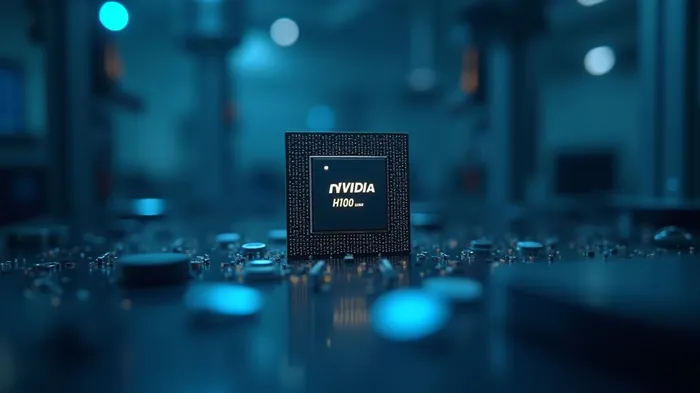
The Rules of the Game: Tiered Chaos
The Biden administration’s “AI Diffusion Framework” has divided the world into tiers, but the reality is far messier. Tier 1 allies (like the U.S., Japan, and Germany) get preferential access to NVIDIA’s H100 chips, while China (Tier 3) faces near-total bans. Tier 2 nations like India and Malaysia act as middlemen, exploiting loopholes like the 1,699 H100 annual cap for non-validated end users—a number that could be exploited via shell companies to smuggle chips to China.
The key takeaway? U.S. rules are leaky. The Low Processing Performance (LPP) exemption and gaming GPU loopholes mean China isn’t entirely cut off—yet. But NVIDIA’s profits are still pinched. Their H20 chips, designed to slip under regulatory thresholds, offer lower margins, forcing the company to rely on Tier 1 markets.
The $50B Question: Can NVIDIA Win Without China?
The answer hinges on two variables: U.S. policy shifts and China’s homegrown tech.
Policy Flexibility: If the U.S. eases restrictions—even slightly—to allow modified chips or increase Tier 2 quotas, NVIDIA could reclaim its crown. The Middle East and India are already building data centers hungry for AI compute. A regulatory “reset” could unlock billions.
Huawei’s Shadow: China’s tech giants aren’t waiting. Huawei’s Ascend 910 chips and Baidu’s AI cloud offerings are maturing fast. If NVIDIA stays locked out, U.S. firms risk ceding AI dominance to rivals who’ll shape the next decade’s technologies.
The Investment Play: Go Long on U.S. Tech—or Get Left Behind
Here’s the cold, hard truth: The U.S. can’t afford to lose this fight. AI is the new oil, and control of its infrastructure means control of the economy. Investors should:
- Buy NVIDIA: Even with current restrictions, NVIDIA’s software ecosystem (CUDA) and data center dominance give it a structural advantage. A policy shift could send shares soaring.
- Hedge with Semiconductor Giants: Companies like Intel (INTC) and AMD (AMD) are also betting on AI. Their stock prices could surge if the U.S. recalibrates its approach.
- Watch for Tier 2 Breakouts: Malaysia’s Digital Free Trade Zone and India’s AI initiatives are proxies for where the next wave of demand—and regulatory leniency—might emerge.
The Bottom Line: Time to Choose Sides
The U.S. faces a Sophie’s Choice: security vs. economic leadership. If it chokes off AI exports entirely, it fuels China’s self-reliance. If it loosens the grip, it risks losing control of sensitive tech.
For investors, the path is clear: Position now for the inevitable U.S. course correction. China’s AI market isn’t going away, and neither is NVIDIA’s potential. The question is whether policymakers will let American innovation win—or let protectionism cost us the future.
Action Alert: NVIDIA’s stock is a buy if you believe the U.S. will find a balance. But keep an eye on Huawei’s progress—if China’s chips catch up, it’s game over. The clock is ticking.
DISCLAIMER: This article reflects the author’s opinions and should not be taken as financial advice. Always consult a professional before making investment decisions.





Comentarios
Aún no hay comentarios