
Nutrien's Q3 Outperformance and Strategic Pivot in the Phosphate Segment: Evaluating Long-Term Shareholder Value Creation
Phosphate Segment Outperformance: Volume-Driven Growth
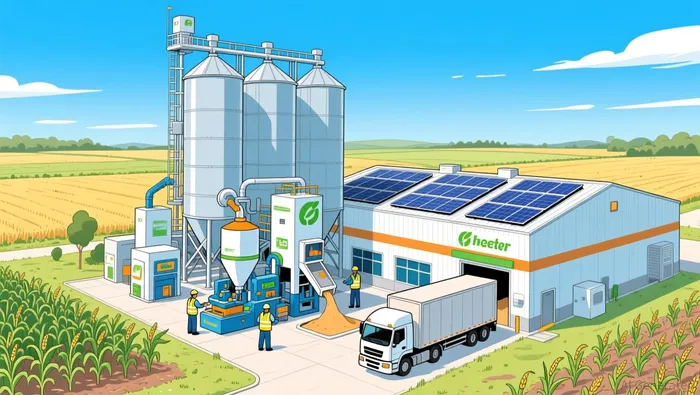
The phosphate segment's Q3 2023 results highlight a volume-driven rebound, . This growth outpaces the segment's pricing trends, which remain opaque due to limited public data on average selling prices. Analysts attribute the volume increase to improved infrastructure and customer service initiatives, such as the recent upgrades at NutrienNTR-- Ag Solutions' Tipton retail facility. These improvements, including advanced storage and blending capabilities, are designed to enhance operational efficiency and meet rising demand in high-growth agricultural regions .
Strategic Pivot: Portfolio Optimization and Capital Reallocation
Nutrien's strategic review of its phosphate business, announced in Q3 2023, signals a shift toward portfolio rationalization. The company is exploring options such as reconfiguring operations, forming strategic partnerships, or potentially selling the segment . This move aligns with broader industry trends, where fertilizer producers are prioritizing core assets to improve free cash flow and earnings quality.
A key component of this pivot is the planned sale of 50% of Nutrien's equity stake in Profertil, a Brazilian joint venture. This transaction, expected to enhance financial flexibility, underscores the company's focus on capital allocation discipline . By divesting non-core assets, Nutrien aims to redirect resources toward high-margin operations and sustainability initiatives, such as the Tipton facility upgrades, which are critical for maintaining competitiveness in a decarbonizing agricultural sector .
Aligning with Long-Term Demand Trends
The strategic review of the phosphate segment is not merely a response to short-term volatility but a proactive alignment with long-term demand dynamics. Global crop input demand is expected to remain robust, driven by population growth and the need for sustainable food production. Nutrien's CEO, , has emphasized that the company's outlook is supported by anticipated growth in potash shipments in 2026, suggesting a forward-looking approach to market positioning .
However, the absence of explicit guidance on phosphate demand trends in 2025 highlights the uncertainties in the sector. . The potential sale of the phosphate segment, if realized, could unlock value by allowing the company to focus on its core potash and nitrogen businesses, where margins and demand visibility are stronger.
Shareholder Value Creation: Balancing Risk and Opportunity
Nutrien's strategic pivot carries both risks and opportunities for shareholders. On one hand, the phosphate segment's volatility-exacerbated by fluctuating commodity prices and regulatory pressures-poses a drag on earnings stability. On the other, a streamlined portfolio could enhance capital returns and reduce exposure to cyclical downturns. , which beat estimates, demonstrates its ability to generate near-term returns while laying the groundwork for long-term value creation .
Investors must also consider the sustainability angle. While the reflect Nutrien's commitment to reducing environmental footprints, the phosphate segment's strategic review lacks detailed disclosures on decarbonization targets. For a company increasingly scrutinized for its ESG practices, this gap could impact investor sentiment in the long run .
Conclusion
Nutrien's Q3 2023 phosphate segment performance and strategic pivot illustrate a company in transition. By leveraging volume growth, optimizing capital allocation, and reevaluating its asset portfolio, Nutrien is positioning itself to navigate the evolving fertilizer landscape. However, the success of these initiatives will depend on the clarity and execution of its long-term vision. For shareholders, the key takeaway is that Nutrien's willingness to adapt-whether through divestitures, partnerships, or operational overhauls-will ultimately determine its ability to sustain profitability and deliver value in a market defined by volatility and sustainability imperatives.







Comentarios
Aún no hay comentarios