
Nuclear Power's New Dawn: How AtkinsRéalis and EDF Are Leading the Global Reactor Renaissance
The global energy transition is at a crossroads. With climate goals tightening and geopolitical tensions reshaping supply chains, nuclear energy is emerging as a critical pillar of the low-carbon future. At the forefront of this “nuclear renaissance” is a strategic partnership between AtkinsRéalis and Électricité de France (EDF)—a collaboration that marries the Canadian-born CANDU reactor technology with EDF's French-designed European Pressurized Reactor (EPR). Together, they aim to address the International Energy Agency's ambitious target of deploying 1,000 new reactors by 2050, while mitigating risks tied to aging infrastructure, cost overruns, and geopolitical fragmentation.
The Power of Synergy: CANDU + EPR = A Global Playbook
The alliance leverages complementary strengths. CANDU reactors, renowned for their flexibility in fuel use (including natural uranium and recycled materials), excel in niche markets like medical isotope production and grid stability. Meanwhile, EPR reactors—among the most powerful in operation today—deliver 1.6 GW of capacity, making them ideal for large-scale baseload power in energy-hungry economies. By combining these technologies, the partnership aims to:
- Reduce Costs Through Shared Expertise:
- Joint engineering and procurement efforts (e.g., EDF's turbine technology paired with AtkinsRéalis' Monark reactor design) cut reliance on U.S. suppliers like General Electric, lowering costs and supply chain risks.
Cross-training in operational best practices and waste management enhances efficiency.
Mitigate Technical Risks:
EDF's delayed Flamanville Unit 3 (finally operational in 2023 after 12 years of delays) underscores the challenges of solo projects. Collaboration spreads technical and financial burdens, as seen in the Pickering Nuclear Generating Station extension in Canada, where AtkinsRéalis' CANDU expertise ensures reactors operate until the 2060s.
Secure Market Share in a Fragmented Landscape:
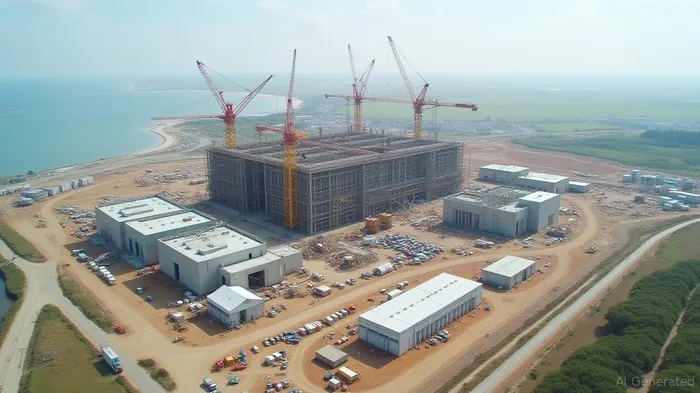
With Chinese and Russian reactor builders facing sanctions, the duo is positioned to dominate markets like Canada, where EDF and Ontario Power Generation are exploring EPR feasibility studies. In Europe, their combined capacity could solidify EDF's leadership while insulating projects from geopolitical volatility.
Recent Projects: Proof of Concept or Pipeline of Potential?
The partnership's credibility hinges on high-profile projects:
- Hinkley Point C (UK): EDF's flagship EPR project, completed in late 2023 after a £22 billion investment, now serves as a template for Sizewell C. Both rely on AtkinsRéalis' engineering support, demonstrating their ability to deliver complex projects despite past delays.
- Pickering CANDU Retrofit: A $2.1 billion contract to extend four reactors' lifespans highlights AtkinsRéalis' niche expertise, while creating Canadian jobs in engineering and manufacturing—a key selling point for governments prioritizing local economic ties.
- EDF's French New Nuclear Programme: Plans to build six reactors in France by 2040, paired with CANDU-derived fuel flexibility, could reduce France's reliance on aging infrastructure and imported energy.
Risks and the Path to Dominance
No alliance is without challenges. EDF's €40 billion debt and aging fleet (57 reactors in France, many past their original lifespans) pose financial and operational hurdles. However, the collaboration's non-binding structure allows agility—competing on reactor tech when advantageous, yet collaborating on shared goals like waste management.
Geopolitically, the duo's alignment with Western supply chains (e.g., European turbines over U.S. alternatives) and Canadian partnerships insulates them from sanctions risks, positioning them as a “safe” choice for governments wary of non-aligned nuclear exporters.
Investment Implications: Riding the Nuclear Wave
For investors, this partnership is a multi-pronged opportunity:
EDF's Stock as a Barometer:
A rebound in EDF's share price (currently trading at ~€8.50) could signal renewed investor confidence in nuclear's role in energy security.CANDU's Hidden Value:
AtkinsRéalis' role in retrofits (like Pickering) and emerging markets (e.g., Saudi Arabia's nuclear ambitions) offers long-term revenue streams, though its parent company's stock (likely part of a larger conglomerate like SNC-Lavalin) may understate its potential.Sector Plays:
- Turbine Suppliers: EDF's Arabelle Solutions and European rivals like Siemens Energy stand to gain from reactor construction booms.
- Uranium Miners: Higher demand for fuel could boost firms like Cameco or Kazatomprom.
Final Analysis: A Prudent Bet on Low-Carbon Resilience
The AtkinsRéalis-EDF alliance is more than a tech partnership—it's a blueprint for resilient, scalable nuclear energy in an era of climate urgency and supply chain fragility. While risks like EDF's debt remain, the duo's ability to combine CANDU's flexibility with EPR's scale positions them to capture a disproportionate share of the 1,000-reactor market.
Investment Recommendation:
- Buy EDF stock for exposure to European demand and French government backing.
- Monitor Canadian nuclear projects (e.g., Pickering) for early movers in retrofitting.
- Avoid overexposure to solo players lacking the synergy benefits of this alliance.
In a world where energy security is paramount, betting on nuclear's renaissance—and the partnerships fueling it—is no longer optional. It's strategic.







Comentarios
Aún no hay comentarios