
Nuclear Negotiations: A Tipping Point for Iran-US Relations and Global Markets
The Iran-U.S. nuclear negotiations, now in their critical phase, have reached a pivotal moment as both sides face a looming deadline. With indirect talks in Rome stalled over enrichment demands and the threat of sanctions looms large, the outcome could reshape geopolitical dynamics and global markets. Investors must closely monitor these developments, as the path forward carries significant risks and opportunities.
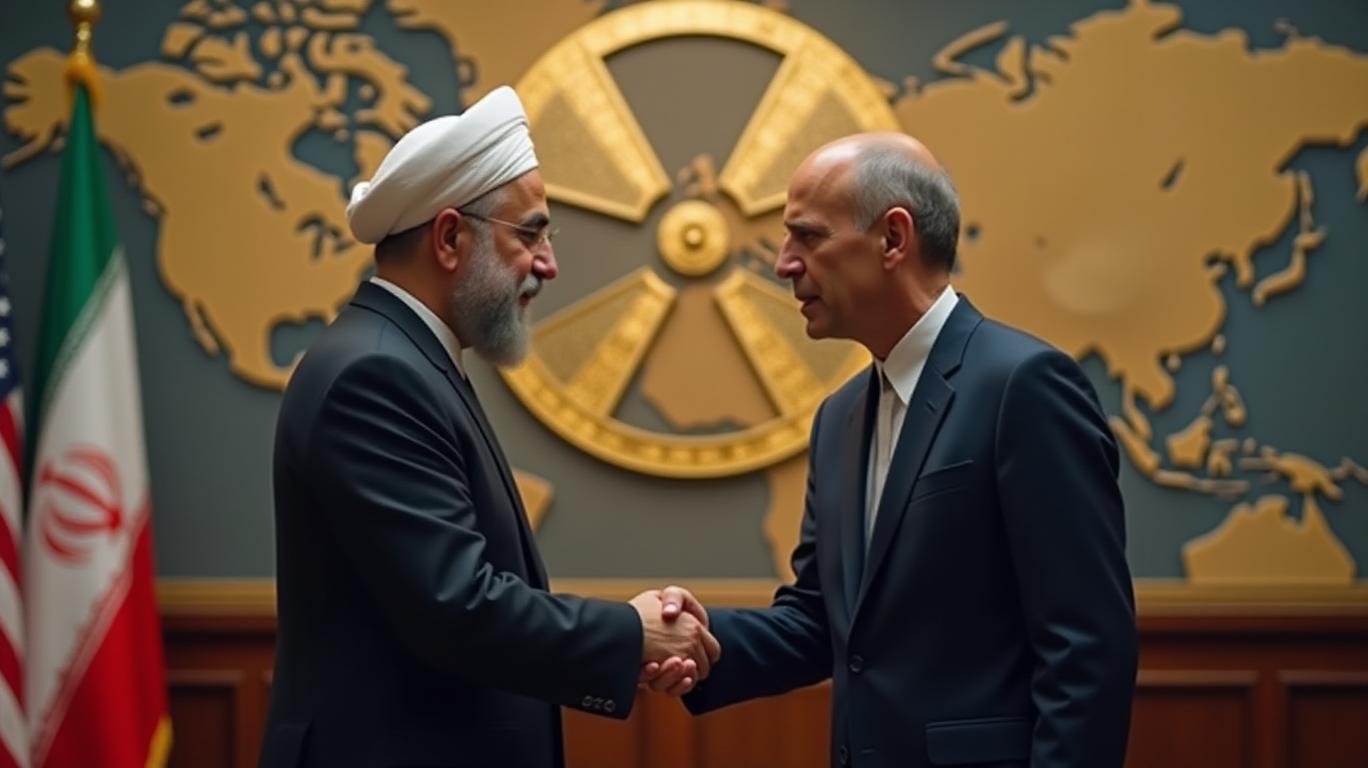
The Diplomatic Stalemate
Central to the negotiations is Iran’s refusal to abandon uranium enrichment—a right it asserts under the Nuclear Nonproliferation Treaty (NPT). U.S. demands for "zero enrichment" clash with Iran’s insistence on maintaining its program at 3.67% enrichment levels, as permitted under the 2015 JCPOA. This impasse has stalled progress despite technical discussions on monitoring and transparency.
The U.S. delegation, led by Special Envoy Steve Witkoff, faces internal challenges, including inconsistent messaging from officials like National Security Advisor Michael Waltz, who has framed demands in maximalist terms. Iran’s Supreme Leader Ayatollah Khamenei has amplified distrust, citing the U.S. withdrawal from the JCPOA in 2018 as proof of American unreliability.
The Technical and Strategic Crossroads
A viable deal hinges on three pillars:
1. Monitoring: Reinstating the IAEA’s Additional Protocol to enable inspections of centrifuge workshops and real-time surveillance at enrichment sites.
2. Enrichment Limits: Capping stockpiles of near-weapons-grade uranium (currently 60% enriched) and restricting advanced centrifuge use.
3. Weaponization Prohibitions: Explicit bans on activities like uranium metal production, which Iran has signaled openness to if enrichment rights are respected.
Without these measures, Iran’s nuclear program—now capable of producing weapons-grade material in weeks—threatens regional stability. A highlights how tensions have already impacted energy markets, with prices spiking 15% in late 2024 amid fears of supply disruptions.
The Looming Deadline and Sanctions Risk
By October 2025, the E3 (France, Germany, the U.K.) could trigger a "snapback" mechanism to reimpose UN sanctions. This would reinstate bans on uranium enrichment and an arms embargo, but its practical impact is limited by existing U.S. and EU sanctions. However, Iran has warned of withdrawing from the NPT—a move that could destabilize markets further.
A snapback or NPT exit would likely send oil prices surging. A shows how geopolitical risks have already driven a 10% increase in gold prices this year, reflecting investor flight to safe havens.
Regional Implications and Military Risks
Iran’s hardened nuclear sites, such as the Fordow facility, have bolstered defenses amid fears of Israeli strikes. Meanwhile, Gulf states like Saudi Arabia threaten to pursue their own nuclear programs if Iran weaponizes, risking a regional arms race.
U.S. military options—such as air strikes—remain on the table but carry high costs. A reveals that such actions could add billions to defense budgets while escalating tensions.
Investment Implications
- Energy Sector: A deal lifting sanctions could unlock Iran’s oil reserves, potentially reducing global prices. ExxonMobil (XOM) and ChevronCVX-- (CVX) stand to benefit from renewed access to Iranian markets.
- Defence and Security: Escalation risks favor defense stocks like Lockheed Martin (LMT) and Raytheon Technologies (RTX), while cybersecurity firms (e.g., Palo Alto Networks) gain traction amid heightened geopolitical instability.
- Currencies and Commodities: A breakdown in talks could strengthen the U.S. dollar as a safe-haven asset, while gold (GLD) and oil (USO) prices may rise.
Conclusion
The stakes for investors are enormous. A successful deal could stabilize oil markets, ease sanctions, and reduce geopolitical volatility—a scenario favorable to energy and emerging markets. However, failure risks a surge in oil prices, NPT withdrawal, and military conflict, benefiting defense stocks and safe-haven assets.
With just six months until the snapback deadline, the U.S. must abandon maximalist rhetoric and prioritize realistic compromises. The data underscores the urgency: oil prices are already volatile, and gold has surged as investors brace for the worst. The path forward demands diplomacy over dogma—a lesson markets will not soon forget.
This comparison highlights how Iranian markets have stagnated under sanctions, while global indices like the S&P 500 (SPY) have risen steadily. A breakthrough could reignite growth in both.
As the clock ticks, investors must remain agile—prepared for both the promise of a deal and the peril of a breakdown.







Comentarios
Aún no hay comentarios