
Nuclear Dawn or Delayed Dream? The Strategic Case for Sizewell C in a Carbon-Constrained Economy
The UK's Sizewell C Nuclear Plant Project stands at a pivotal crossroads. With a potential price tag of £40 billion, it is the largest single infrastructure project in Britain's history and a cornerstone of the government's net-zero ambitions. Yet its fate hinges on a Final Investment Decision (FID) expected by July 21, 2025—a deadline that could make or break its viability. For investors, this is a moment of high stakes and high rewards: a chance to back a transformative low-carbon asset at a critical juncture, but one clouded by risks that have haunted nuclear projects for decades.
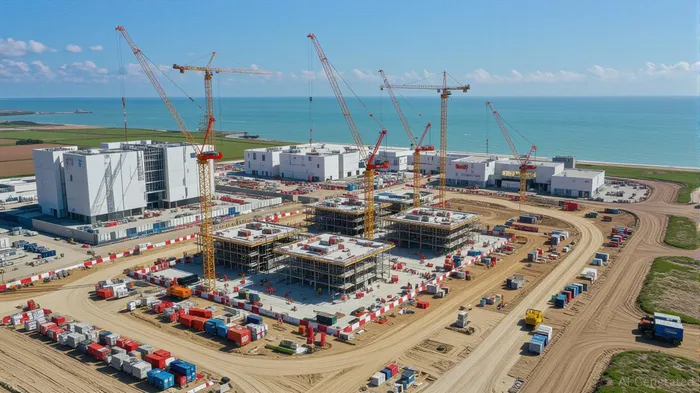
The Project's Strategic Imperative
The Sizewell C project aims to deliver two European Pressurized Reactor (EPR) units, capable of generating 3.2 GW of clean electricity—enough to power six million homes. The UK government has framed this as a dual imperative: energy security in a post-Fukushima, post-Fukushima/post-Fukushima/post-Fukushima/post-Fukushima/post-Fukushima/post-Fukushima/post-Fukushima/post-Fukushima/post-Fukushima/post-Fukushima/post-Fukushima/post-Fukushima/post-Fukushima/post-Fukushima/post-Fukushima/post-Fukushima/post-Fukushima/post-Fukushima/post-Fukushima/post-Fukushima/post-Fukushima/post-Fukushima/post-Fukushima/post-Fukushima/post-Fukushima/post-Fukushima/post-Fukushima/post-Fukushima/post-Fukushima/post-Fukushima/post-Fukushima/post-Fukushima/post-Fukushima/post-Fukushima/post-Fukushima/post-Fukushima/post-Fukushima/post-Fukushima/post-Fukushima/post-Fukushima/post-Fukushima/post-Fukushima/post-Fukushima/post-Fukushima/post-Fukushima/post-Fukushima/post-Fukushima/post-Fukushima/post-Fukushima/post-Fukushima/post-Fukushima/post-Fukushima/post-Fukushima/post-Fukushima/post-Fukushima/post-Fukushima/post-Fukushima/post-Fukushima/post-Fukushima/post-Fukushima/post-Fukushima/post-Fukushima/post-Fukushima/post-Fukushima/post-Fukushima/post-Fukushima/post-Fukushima/post-Fukushima/post-Fukushima/post-Fukushima/post-Fukushima/post-Fukushima/post-Fukushima/post-Fukushima/post-Fukushima/post-Fukushima/post-Fukushima/post-Fukushima/post-Fukushima/post-Fukushima/post-Fukushima/post-Fukushima/post-Fukushima/post-Fukushima/post-Fukushima/post-Fukushima/post-Fukushima/post-Fukushima/post-Fukushima/post-Fukushima/post-Fukushima/post-Fukushima/post-Fukushima/post-Fukushima/post-Fukushima/post-Fukushima/post-Fukushima/post-Fukushima/post-Fukushima/post-Fukushima/post-Fukushima/post-Fukushima/post-Fukushima/post-Fukushima/post-Fukushima/post-Fukushima/post-Fukushima/post-Fukushima/post-Fukushima/post-Fukushima/post-Fukushima/post-Fukushima/post-Fukushima/post-Fukushima/post-Fukushima/post-Fukushima/post-Fukushima/post-Fukushima/post-Fukushima/post-Fukushima/post-Fukushima/post-Fukushima/post-Fukushima/post-Fukushima/post-Fukushima/post-Fukushima/post-Fukushima/post-Fukushima/post-Fukushima/post-Fukushima/post-Fukushima/post-Fukushima/post-Fukushima/post-Fukushima/post-Fukushima/post-Fukushima/post-Fukushima/post-Fukushima/post-Fukushima/post-Fukushima/post-Fukushima/post-Fukushima/post-Fukushima/post-Fukushima/post-Fukushima/post-Fukushima/post-Fukushima/post-Fukushima/post-Fukushima/post-Fukushima/post-Fukushima/post-Fukushima/post-Fukushima/post-Fukushima/post-Fukushima/post-Fukushima/post-Fukushima/post-Fukushima/post-Fukushima/post-Fukushima/post-Fukushima/post-Fukushima/post-Fukushima/post-Fukushima/post-Fukushima/post-Fukushima/post-Fukushima/post-Fukushima/post-Fukushima/post-Fukushima/post-Fukushima/post-Fukushima/post-Fukushima/post-Fukushima/post-Fukushima/post-Fukushima/post-Fukushima/post-Fukushima/post-Fukushima/post-Fukushima/post-Fukushima/post-Fukushima/post-Fukushima/post-Fukushima/post-Fukushima/post-Fukushima/post-Fukushima/post-Fukushima/post-Fukushima/post-Fukushima/post-Fukushima/post-Fukushima/post-Fukushima/post-Fukushima/post-F-
Energy Security and Climate Goals
The UK's energy mix remains heavily reliant on fossil fuels, with natural gas still accounting for over 40% of electricity generation. Sizewell C's baseload capacity would reduce this dependency, while contributing 6% to the UK's net-zero target by 2050. The government's recent £14.2 billion funding commitment—£11.5 billion new money plus £2.7 billion previously allocated—signals a political commitment to fast-tracking the project.
Risks: Delays, Costs, and Opposition
The project's risks are well-documented. First, the FID's delayed timeline reflects lingering concerns over cost overruns. The initial £18–20 billion estimate has ballooned to a potential £40 billion, driven by construction inflation and supply-chain bottlenecks. Second, delays are a persistent threat: the project's predecessor, Hinkley Point C, faced years of delays and a 70% cost overrun. Third, environmental opposition could stall progress, particularly around biodiversity concerns and land-use disputes.
Opportunities: Long-Term Returns and Strategic Positioning
Despite these risks, Sizewell C offers compelling rewards. A successful FID would unlock long-term, inflation-protected returns for investors. The project's 60-year lifespan aligns with the UK's need for stable, low-carbon energy, while creating 10,000 jobs and £330 million in local contracts. For equity holders like EDFEDF-- (which owns 50% with the UK government) and Centrica (targeting 15%), the project could become a cashflow engine.
The broader UK infrastructure pipeline—including small modular reactors (SMRs) and fusion research—also benefits. Sizewell's success could catalyze private investment in advanced nuclear tech, positioning the UK as a global leader.
Investment Strategy: Act Before the FID
The window to capitalize is narrowing. Investors should prioritize three areas:
1. EDF and Centrica: Both companies are directly exposed to Sizewell's success. EDF's stock has underperformed amid nuclear skepticism, but a positive FID could revalue it sharply. Centrica, with its diversified energy portfolio, offers a lower-risk entry point.
2. Infrastructure Funds: Vehicles like the UK Green Investment Bank or thematic ETFs (e.g., iShares Global Clean Energy UCITS ETF) provide exposure to the project's supply chain.
3. Local Suppliers: Firms with contracts for construction, engineering, and materials (e.g., construction conglomerates, welding specialists) stand to benefit from the £11.5 billion funding infusion.
Conclusion: A Carbon-Constrained Clock Is Ticking
Sizewell C is not just a nuclear plant—it's a test of the UK's resolve to decarbonize its energy system. With the FID deadline looming, investors face a choice: wait for clarity or act now to capture early-mover advantages. The risks are real, but the rewards—both financial and strategic—are too significant to ignore. For those willing to bet on a low-carbon future, the time to position is now.
Investors should conduct their own due diligence. Past performance does not guarantee future results.







Comentarios
Aún no hay comentarios