
NTT Research Launches New Physics of Artificial Intelligence Group
Generado por agente de IACyrus Cole
jueves, 10 de abril de 2025, 11:22 am ET2 min de lectura
NVDA--
In a significant move to advance the understanding and trustworthiness of artificial intelligence, NTTNTCT-- Research has announced the establishment of the Physics of Artificial Intelligence (PAI) Group. This new initiative, unveiled at the company's annual Upgrade event, aims to demystify the "black box" nature of AI and develop systems with improved energy efficiency and safety outcomes. The PAI Group is a spin-off from NTT Research's Physics of Intelligence (PHI) Lab, which has been at the forefront of interdisciplinary AI research for the past five years.
The launch of the PAI Group comes at a time when physical AI, particularly the use of synthetic data to pretest self-driving cars and humanoid robotics, has become a major focus in the industry. Companies like NvidiaNVDA-- are leading the charge in this area, and NTT Research's new group is poised to contribute significantly to these advancements. The PAI Group will be led by Hidenori Tanaka, an expert in physics, neuroscience, and machine learning, and will continue the interdisciplinary approach pioneered by the PHIPHI-- Lab.
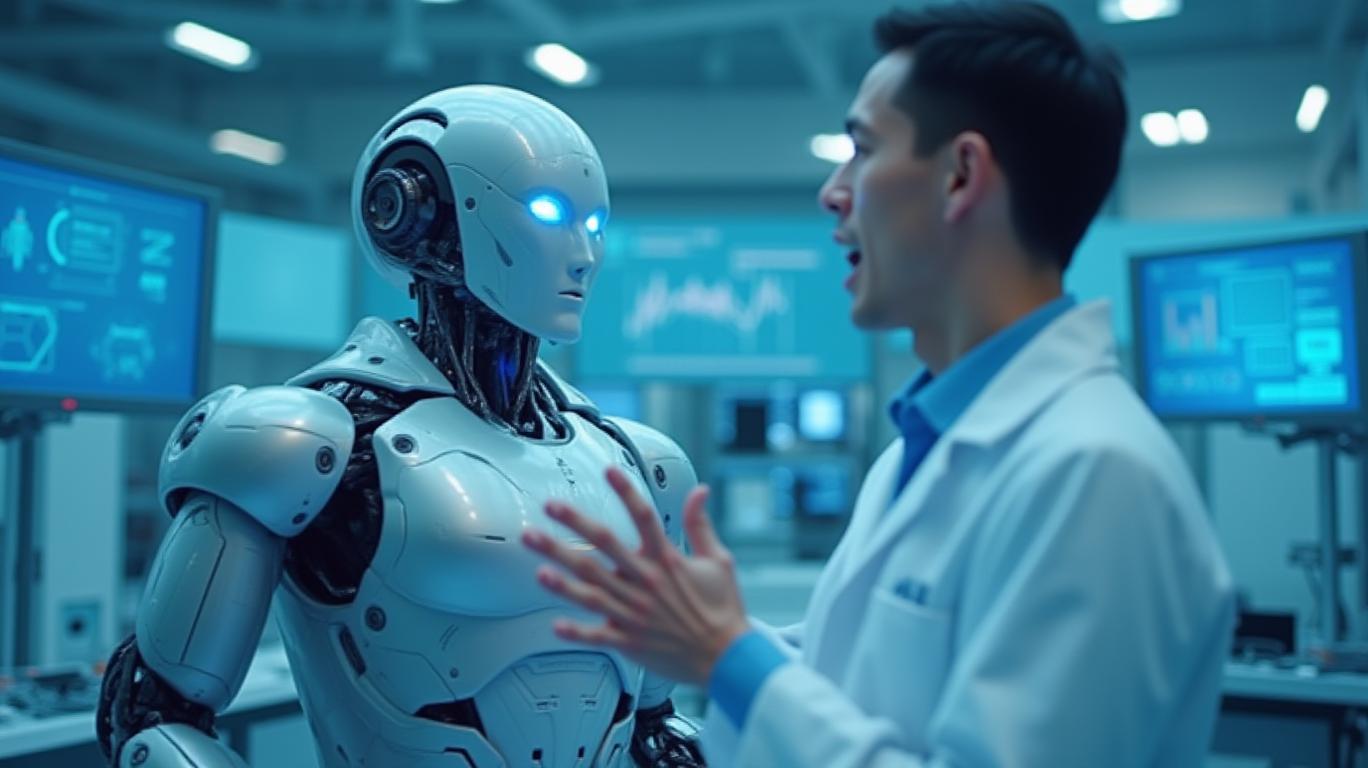
One of the key goals of the PAI Group is to address the similarities between biological and artificial intelligences. By unraveling the complexities of AI mechanisms, the group aims to build trust and foster a more harmonious fusion of human and AI collaboration. This approach echoes the methods used by physicists over centuries to understand and design machines, such as the development of the steam engine and its impact on thermodynamics.
The PAI Group will continue to collaborate with leading academic researchers, including the Harvard University Center for Brain Science, Princeton University, and Stanford University. These collaborations are crucial for advancing the understanding of AI and developing novel systems with improved energy efficiency. Previous contributions from the PHI Lab include a widely cited neural network pruning algorithm, a bias-removal algorithm for large language models recognized by the U.S. National Institute of Standards and Technology, and new insights into the dynamics of how AI learns concepts.
The PAI Group has a three-pronged mission: to deepen the understanding of AI mechanisms, create systematically controllable spaces of AI to observe learning and prediction behaviors, and heal the breach of trust between AI and human operators through improved operations and data control. These advancements are expected to influence the adoption and governance of AI technologies across various industries, particularly in areas where trust and safety are paramount.
The establishment of the PAI Group is a strategic move by NTT Research to align with the broader trends in AI development. As AI continues to advance at an astonishing rate, issues of trustworthiness and safety have become critical to industry applications and governance. The PAI Group's interdisciplinary approach, collaboration with academic partners, and emphasis on trust and safety make it well-positioned to contribute to the advancement of AI in applications like self-driving cars and humanoid robotics.
In summary, the launch of the Physics of Artificial Intelligence Group by NTT Research is a significant step towards creating more trustworthy and safe AI systems. By deepening the understanding of AI mechanisms, creating controllable spaces for AI development, and addressing the breach of trust between AI and human operators, the PAI Group aims to shape the future of AI technology and its adoption across various industries.
In a significant move to advance the understanding and trustworthiness of artificial intelligence, NTTNTCT-- Research has announced the establishment of the Physics of Artificial Intelligence (PAI) Group. This new initiative, unveiled at the company's annual Upgrade event, aims to demystify the "black box" nature of AI and develop systems with improved energy efficiency and safety outcomes. The PAI Group is a spin-off from NTT Research's Physics of Intelligence (PHI) Lab, which has been at the forefront of interdisciplinary AI research for the past five years.
The launch of the PAI Group comes at a time when physical AI, particularly the use of synthetic data to pretest self-driving cars and humanoid robotics, has become a major focus in the industry. Companies like NvidiaNVDA-- are leading the charge in this area, and NTT Research's new group is poised to contribute significantly to these advancements. The PAI Group will be led by Hidenori Tanaka, an expert in physics, neuroscience, and machine learning, and will continue the interdisciplinary approach pioneered by the PHIPHI-- Lab.
One of the key goals of the PAI Group is to address the similarities between biological and artificial intelligences. By unraveling the complexities of AI mechanisms, the group aims to build trust and foster a more harmonious fusion of human and AI collaboration. This approach echoes the methods used by physicists over centuries to understand and design machines, such as the development of the steam engine and its impact on thermodynamics.
The PAI Group will continue to collaborate with leading academic researchers, including the Harvard University Center for Brain Science, Princeton University, and Stanford University. These collaborations are crucial for advancing the understanding of AI and developing novel systems with improved energy efficiency. Previous contributions from the PHI Lab include a widely cited neural network pruning algorithm, a bias-removal algorithm for large language models recognized by the U.S. National Institute of Standards and Technology, and new insights into the dynamics of how AI learns concepts.
The PAI Group has a three-pronged mission: to deepen the understanding of AI mechanisms, create systematically controllable spaces of AI to observe learning and prediction behaviors, and heal the breach of trust between AI and human operators through improved operations and data control. These advancements are expected to influence the adoption and governance of AI technologies across various industries, particularly in areas where trust and safety are paramount.
The establishment of the PAI Group is a strategic move by NTT Research to align with the broader trends in AI development. As AI continues to advance at an astonishing rate, issues of trustworthiness and safety have become critical to industry applications and governance. The PAI Group's interdisciplinary approach, collaboration with academic partners, and emphasis on trust and safety make it well-positioned to contribute to the advancement of AI in applications like self-driving cars and humanoid robotics.
In summary, the launch of the Physics of Artificial Intelligence Group by NTT Research is a significant step towards creating more trustworthy and safe AI systems. By deepening the understanding of AI mechanisms, creating controllable spaces for AI development, and addressing the breach of trust between AI and human operators, the PAI Group aims to shape the future of AI technology and its adoption across various industries.

Divulgación editorial y transparencia de la IA: Ainvest News utiliza tecnología avanzada de Modelos de Lenguaje Largo (LLM) para sintetizar y analizar datos de mercado en tiempo real. Para garantizar los más altos estándares de integridad, cada artículo se somete a un riguroso proceso de verificación con participación humana.
Mientras la IA asiste en el procesamiento de datos y la redacción inicial, un miembro editorial profesional de Ainvest revisa, verifica y aprueba de forma independiente todo el contenido para garantizar su precisión y cumplimiento con los estándares editoriales de Ainvest Fintech Inc. Esta supervisión humana está diseñada para mitigar las alucinaciones de la IA y garantizar el contexto financiero.
Advertencia sobre inversiones: Este contenido se proporciona únicamente con fines informativos y no constituye asesoramiento profesional de inversión, legal o financiero. Los mercados conllevan riesgos inherentes. Se recomienda a los usuarios que realicen una investigación independiente o consulten a un asesor financiero certificado antes de tomar cualquier decisión. Ainvest Fintech Inc. se exime de toda responsabilidad por las acciones tomadas con base en esta información. ¿Encontró un error? Reportar un problema




Comentarios
Aún no hay comentarios