
Novo Nordisk's Valuation Amid Market Volatility: A Long-Term Play in a Booming Sector
The recent market volatility surrounding Novo NordiskNVO-- has left investors grappling with a familiar dilemma: Is this a temporary correction in a high-growth sector, or a signal to reassess long-term fundamentals? While the company's stock has faced short-term headwinds, the broader context of the diabetes and obesity therapeutics industry suggests that Novo Nordisk remains a compelling long-term investment.
A Sector on Fire, but Uneven Access
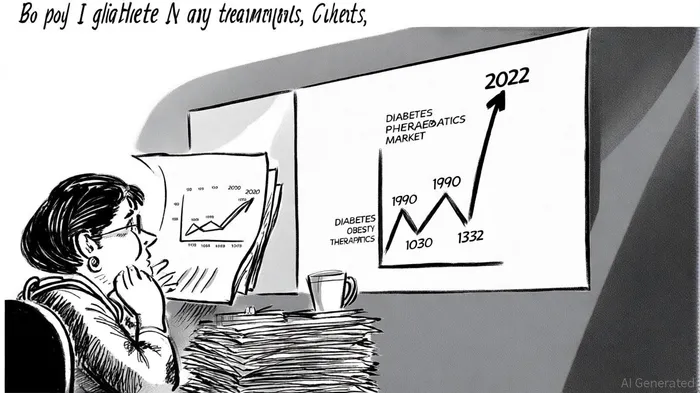
The global diabetes epidemic has expanded at an alarming rate, with adult cases surging from 7% in 1990 to 14% in 2022 [1]. By 2022, over 800 million adults lived with diabetes, a fourfold increase in three decades. Yet, nearly 60% of these individuals remain untreated, with 90% of the untreated population concentrated in low- and middle-income countries [1]. This stark disparity underscores both a humanitarian crisis and a vast untapped market.
The obesity therapeutics segment, in particular, has emerged as a growth engine. GLP-1 agonists, a class of drugs that Novo Nordisk has pioneered, have become a cornerstone of treatment for both diabetes and weight management. According to industry analysts, the global market for diabetes and obesity drugs is projected to grow from $90 billion in 2022 to $180 billion by 2030, driven by rising obesity rates, aging populations, and the shift toward preventive care [2].
Novo Nordisk's Competitive Edge
Novo Nordisk's dominance in insulin and GLP-1 therapies positions it as a key beneficiary of these trends. While specific financial metrics for the company remain elusive in recent reports, its historical revenue growth—closely tied to the expansion of diabetes care—provides a strong baseline for optimism. The company's R&D pipeline, which includes next-generation GLP-1 and dual-agonist therapies, further cements its leadership in a sector where innovation is the primary differentiator.
Critics may argue that Novo Nordisk faces intensifying competition from rivals like Eli Lilly and Sanofi, particularly as generic insulin markets expand and pricing pressures mount. However, the company's focus on obesity as a chronic condition—rather than merely a metabolic disorder—opens new revenue streams. The U.S. Food and Drug Administration's recent approvals of weight-management drugs have already demonstrated the commercial potential of this approach, with Novo Nordisk's Wegovy and Ozempic leading the charge.
Short-Term Volatility vs. Long-Term Logic
The recent dip in Novo Nordisk's stock price reflects broader market anxieties about interest rates, healthcare spending, and regulatory risks. Yet these concerns often overshadow the company's structural advantages. For instance, the WHO's 2024 report on diabetes treatment gaps highlights a critical opportunity: improving access in emerging markets [1]. Novo Nordisk's partnerships with governments and NGOs in regions like Southeast Asia and sub-Saharan Africa could unlock billions in incremental revenue while aligning with global health priorities.
Moreover, the company's ability to navigate patent expirations and generic competition has historically outpaced peers. Its shift toward high-margin biologics and its emphasis on patient-centric care models—such as digital health platforms for diabetes management—suggest a strategic agility that mitigates short-term risks.
Conclusion: A Stock for the Patient Investor
Investors who focus solely on quarterly earnings may miss the forest for the trees. Novo Nordisk's valuation, while currently discounted, reflects a company poised to capitalize on a $180-billion market by 2030. The diabetes and obesity crisis is not a passing trend but a defining public health challenge of the 21st century. For those with a long-term horizon, Novo Nordisk's combination of market leadership, innovation, and societal impact makes it a rare and resilient investment.





Comentarios
Aún no hay comentarios