
Novo Nordisk's Board Shake-Up: Implications for Governance and Strategic Direction
Governance Implications: A Strategic Retreat or a Power Grab?
The Novo Nordisk Foundation and Novo Holdings A/S have chosen not to propose a replacement for Dolsten at the upcoming extraordinary general meeting on November 14, 2025. Instead, the incoming board will be tasked with identifying and nominating two additional members by March 2026. This decision reflects a deliberate shift in governance strategy, transferring authority from the foundation to the newly formed board. While this could foster a more agile and internally driven leadership model, it also risks diluting the expertise of seasoned industry veterans like Dolsten, whose background in R&D-from roles at Pfizer, Boehringer Ingelheim, and AstraZeneca-could have provided critical insights into navigating the competitive GLP-1 drug market according to reports.
The foundation's move to restructure the board has already sparked shareholder tensions. Minority investors, frustrated by the abrupt changes, are preparing a protest vote against the shake-up. This highlights a potential governance risk: the foundation's dominance may alienate stakeholders, creating friction that could complicate strategic execution.
R&D Oversight and Strategic Direction: Filling the Dolsten Gap
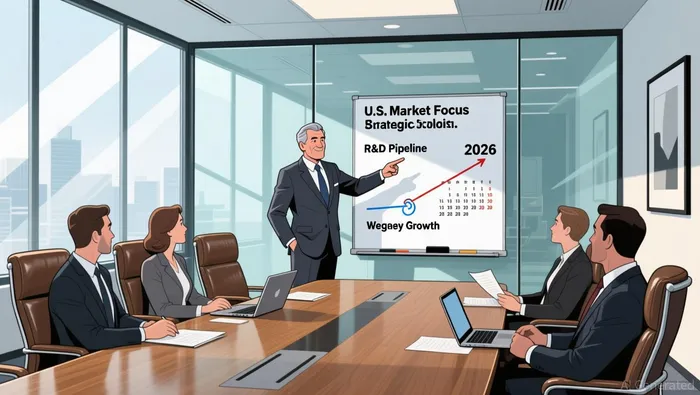
Dolsten's withdrawal comes at a pivotal moment for Novo Nordisk's R&D pipeline. The company has pivoted away from aggressive M&A, such as its abandoned bid for Metsera Inc., to prioritize internal innovation and cost discipline. CEO Mike Doustdar has emphasized a return to "promising pipeline development" in diabetes and obesity, areas where Novo's flagship drugs Wegovy and Ozempic face mounting competition according to market analysis.
Dolsten's absence may leave a void in R&D oversight, particularly given his experience in managing large-scale drug development programs. His leadership at Pfizer during the development of the COVID-19 vaccine, for instance, demonstrated his ability to navigate high-stakes scientific challenges. Without a similarly seasoned figure on the board, Novo Nordisk could face heightened risks in its pursuit of breakthrough therapies, especially as the GLP-1 market becomes increasingly crowded.
Investor Reactions and Risk Assessments
The market has responded to Novo Nordisk's strategic recalibration with a mix of optimism and skepticism. While the decision to exit the Metsera bidding war has been praised for restoring investor trust, the company's recent earnings guidance revision-downwardly adjusted due to slower market expansion and competitive pressures-has triggered a 21.8% stock price drop according to financial reports. This volatility underscores the fragility of Novo's current position, particularly as it grapples with a securities fraud lawsuit according to legal filings.
Dolsten's withdrawal, though framed as a personal decision, could exacerbate these risks. Minority shareholders, already wary of the foundation's dominance, may view the lack of a replacement as a sign of weakened governance. Conversely, the incoming board's autonomy to nominate candidates could be seen as a positive step toward decentralizing decision-making and aligning with long-term strategic goals.
Conclusion: A Rebalancing Act
Novo Nordisk's board shake-up represents both a risk and an opportunity. On one hand, the departure of a high-profile R&D leader like Dolsten and the foundation's tightening grip on governance could destabilize stakeholder confidence. On the other, the company's refocused strategy-prioritizing internal innovation and U.S. market dominance-offers a path to sustainable growth. For investors, the key will be monitoring how the incoming board navigates these challenges. If the new leadership can bridge the expertise gap left by Dolsten and execute on its R&D priorities, Novo Nordisk may yet emerge stronger. But if governance tensions persist or strategic missteps occur, the company's golden era could be at risk.







Comentarios
Aún no hay comentarios