
Novo Nordisk's $4.7 Billion Acquisition of Akero Therapeutics: Strategic Consolidation and Shareholder Value in the Diabetes and Metabolic Disease Sector
Novo Nordisk's $4.7 billion acquisition of Akero TherapeuticsAKRO--, announced in October 2025, underscores the intensifying strategic consolidation in the diabetes and metabolic disease sector. By acquiring Akero-a clinical-stage biopharma company with a promising FGF21 analogue, efruxifermin (EFX)-Novo Nordisk is positioning itself to capitalize on the growing unmet need for therapies targeting metabolic dysfunction-associated steatohepatitis (MASH), a condition intricately linked to obesity and type 2 diabetes, according to a GlobeNewswire announcement. The deal, which includes a $54-per-share cash payment and a contingent value right (CVR) of $6 per share tied to U.S. regulatory approval of EFX by 2031, reflects a 19% premium to Akero's 30-day volume-weighted average price and a 42% premium to its pre-announcement closing price, according to a Yahoo Finance article. This move aligns with broader industry trends, where GLP-1 receptor agonists and combination therapies are redefining the competitive landscape, driving valuations, and reshaping shareholder value dynamics.
Strategic Rationale: Filling a Critical Gap in MASH Treatment
MASH, a severe form of non-alcoholic steatohepatitis (NASH), affects over 250 million people globally and is projected to become a $50 billion market by 2030, according to a Foley report. NovoNVO-- Nordisk's acquisition of AkeroAKRO-- is a calculated bet on EFX, which has demonstrated significant fibrosis regression in phase 2 trials and is now in phase 3 development. EFX's mechanism as an FGF21 analogue-distinct from GLP-1 agonists-positions it as a complementary therapy for advanced liver disease, a gap in Novo's current portfolio. A Bloomberg analysis notes that the SYNCHRONY phase 3 trials, supported by Novo's infrastructure, could accelerate EFX's path to commercialization, potentially making it a first- and best-in-class treatment for MASH. This strategic fit is critical, as MASH patients often have comorbid diabetes and obesity, aligning with Novo's core therapeutic areas.
Industry Consolidation: A Sector-Wide Shift Toward High-Impact Innovation
The diabetes and metabolic disease sector has seen a surge in M&A activity, driven by the commercial success of GLP-1 agonists and the need to address rising obesity rates. Novo's acquisition follows a pattern of consolidation: Roche paid $2.7 billion for Carmot Therapeutics in 2023 to secure incretin-based therapies, while Medtronic's spinoff of its diabetes business aims to unlock value in digital health and insulin delivery systems, as reported in a Morningstar article. Analysts at Bain & Company note that companies making at least one acquisition annually have outperformed inactive peers by 12.2% in total shareholder returns (TSRs) over a decade, highlighting M&A as a key growth lever in a Bain report. Novo's move to acquire Akero reflects this trend, as it seeks to secure a leadership position in MASH-a market expected to expand rapidly as regulatory pathways for liver disease therapies mature.
Financial Implications: Balancing Short-Term Costs and Long-Term Gains
While the acquisition is a strategic win, it comes with near-term financial trade-offs. Novo NordiskNVO-- will finance the deal through debt, which is expected to reduce free cash flow by approximately $4 billion in 2025 and increase R&D costs by 3 percentage points in 2026, according to that GlobeNewswire announcement. Additionally, the company's recent restructuring-announced in September 2025-includes a 9,000-employee reduction and DKK 8 billion in annualized savings, with one-off costs impacting 2025 operating profit growth, per a GlobeNewswire release. However, these costs are offset by the potential for EFX to become a blockbuster. Morgan Stanley analysts have reiterated an "Overweight" rating for Akero, citing a $84 price target, while Novo's existing dominance in GLP-1 therapies (e.g., Wegovy) provides a revenue buffer to absorb short-term pressures, as noted in an Investing.com note.
Shareholder Value: Premium Pricing and Contingent Rewards
For Akero shareholders, the acquisition offers a 19% premium over recent trading levels, with the CVR adding an upside tied to EFX's regulatory success. This structure aligns incentives, ensuring Novo's investment is justified only if EFX achieves its therapeutic and commercial potential. For Novo's shareholders, the acquisition's value lies in its long-term growth prospects. The diabetes and metabolic disease market is projected to grow at a 3.69% CAGR through 2030, reaching $106.55 billion, according to a Mordor Intelligence report. By entering the MASH space, Novo is diversifying its revenue streams beyond GLP-1 agonists, which face eventual patent expirations. Analysts at Goldman Sachs argue in a Goldman Sachs analysis that companies with robust R&D pipelines and diversified portfolios-like Novo-are better positioned to sustain TSRs in a high-competition environment.
Conclusion: A Calculated Bet on the Future of Metabolic Medicine
Novo Nordisk's acquisition of Akero Therapeutics is emblematic of the sector's shift toward high-impact, innovation-driven consolidation. While the deal carries short-term financial costs, its long-term potential to address a $50 billion MASH market and complement Novo's GLP-1 leadership makes it a strategic imperative. As the diabetes and metabolic disease landscape evolves-with digital health integration and combination therapies (e.g., GLP-1/GIP) gaining traction-Novo's ability to execute on EFX's promise will be critical. For investors, the acquisition represents a calculated risk with substantial upside, provided regulatory and clinical milestones are met. In a sector where innovation is the ultimate currency, Novo's bet on Akero underscores its commitment to staying ahead of the curve.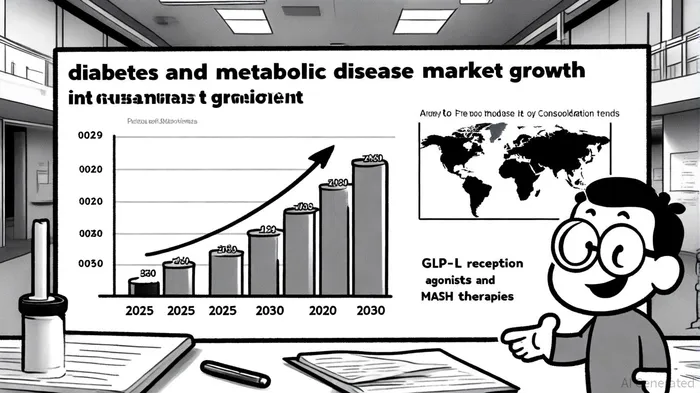





Comentarios
Aún no hay comentarios