
November Volumes: Continued Freight Growth and Route Changes
Generado por agente de IAEli Grant
jueves, 12 de diciembre de 2024, 4:08 am ET1 min de lectura
CHRO--
In the realm of global trade, freight volumes have been a critical indicator of economic health and market trends. The month of November 2024 brought significant developments in the freight industry, with notable growth and route changes shaping the landscape. This article delves into the key factors driving these changes and their implications for investors and market participants.
DFDS, a leading European ferry operator, reported a 10.4% increase in freight volumes in November 2024 compared to the previous year. Adjusted for route changes, the growth stood at 4.7%. This growth was driven by higher volumes in the North Sea, Channel, and Baltic Sea routes, while Mediterranean volumes were below 2023 levels due to increased competition. For the last twelve months, total transported freight lane metres increased by 7.7% to 41.4m.
Route changes played a significant role in shaping November 2024 freight volumes. The addition of Strait of Gibraltar routes contributed to a 4.7% increase in total transported freight lane metres, while the closure of Calais-Tilbury led to a 10.4% rise in volumes. These changes, along with the sale of Oslo-Frederikshavn-Copenhagen routes, resulted in a 7.7% increase in total lane metres compared to the previous year.
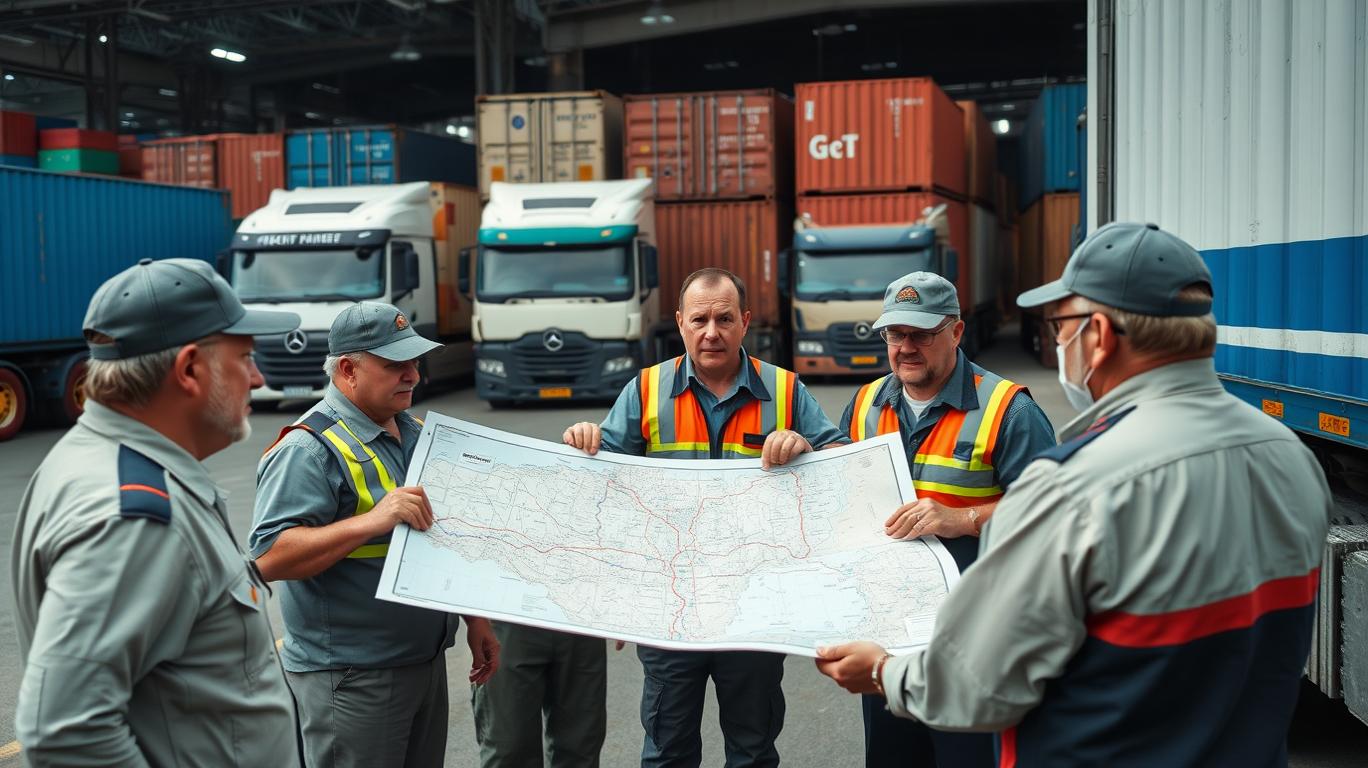
The impact of route changes and increased competition on Mediterranean freight routes was evident in November 2024. While North Sea, Channel, and Baltic Sea volumes grew, Mediterranean volumes were below 2023 levels due to increased competition in one corridor. This suggests that route changes and increased competition have impacted the demand for Mediterranean freight routes, with volumes not keeping pace with other regions.
Freight companies have employed various strategies to mitigate the impact of route changes and increased competition in the Mediterranean corridor. Route optimization, capacity management, strategic partnerships, and investment in technology and digitalization are among the tactics used to maintain a competitive edge and adapt to market dynamics.
In conclusion, the freight industry witnessed significant growth and route changes in November 2024, with key factors driving these developments including increased demand for goods, capacity constraints, and geopolitical events affecting shipping routes. Route changes and increased competition have impacted the demand for Mediterranean freight routes, prompting companies to employ various strategies to adapt to market dynamics. Investors and market participants should closely monitor these trends and their implications for the global trade ecosystem.
DFSD--
In the realm of global trade, freight volumes have been a critical indicator of economic health and market trends. The month of November 2024 brought significant developments in the freight industry, with notable growth and route changes shaping the landscape. This article delves into the key factors driving these changes and their implications for investors and market participants.
DFDS, a leading European ferry operator, reported a 10.4% increase in freight volumes in November 2024 compared to the previous year. Adjusted for route changes, the growth stood at 4.7%. This growth was driven by higher volumes in the North Sea, Channel, and Baltic Sea routes, while Mediterranean volumes were below 2023 levels due to increased competition. For the last twelve months, total transported freight lane metres increased by 7.7% to 41.4m.
Route changes played a significant role in shaping November 2024 freight volumes. The addition of Strait of Gibraltar routes contributed to a 4.7% increase in total transported freight lane metres, while the closure of Calais-Tilbury led to a 10.4% rise in volumes. These changes, along with the sale of Oslo-Frederikshavn-Copenhagen routes, resulted in a 7.7% increase in total lane metres compared to the previous year.
The impact of route changes and increased competition on Mediterranean freight routes was evident in November 2024. While North Sea, Channel, and Baltic Sea volumes grew, Mediterranean volumes were below 2023 levels due to increased competition in one corridor. This suggests that route changes and increased competition have impacted the demand for Mediterranean freight routes, with volumes not keeping pace with other regions.
Freight companies have employed various strategies to mitigate the impact of route changes and increased competition in the Mediterranean corridor. Route optimization, capacity management, strategic partnerships, and investment in technology and digitalization are among the tactics used to maintain a competitive edge and adapt to market dynamics.
In conclusion, the freight industry witnessed significant growth and route changes in November 2024, with key factors driving these developments including increased demand for goods, capacity constraints, and geopolitical events affecting shipping routes. Route changes and increased competition have impacted the demand for Mediterranean freight routes, prompting companies to employ various strategies to adapt to market dynamics. Investors and market participants should closely monitor these trends and their implications for the global trade ecosystem.

Divulgación editorial y transparencia de la IA: Ainvest News utiliza tecnología avanzada de Modelos de Lenguaje Largo (LLM) para sintetizar y analizar datos de mercado en tiempo real. Para garantizar los más altos estándares de integridad, cada artículo se somete a un riguroso proceso de verificación con participación humana.
Mientras la IA asiste en el procesamiento de datos y la redacción inicial, un miembro editorial profesional de Ainvest revisa, verifica y aprueba de forma independiente todo el contenido para garantizar su precisión y cumplimiento con los estándares editoriales de Ainvest Fintech Inc. Esta supervisión humana está diseñada para mitigar las alucinaciones de la IA y garantizar el contexto financiero.
Advertencia sobre inversiones: Este contenido se proporciona únicamente con fines informativos y no constituye asesoramiento profesional de inversión, legal o financiero. Los mercados conllevan riesgos inherentes. Se recomienda a los usuarios que realicen una investigación independiente o consulten a un asesor financiero certificado antes de tomar cualquier decisión. Ainvest Fintech Inc. se exime de toda responsabilidad por las acciones tomadas con base en esta información. ¿Encontró un error? Reportar un problema


SOBRE NOSOTROS
Nuestra historiaAutores de noticiasBase de conocimientosPolítica de privacidadTérmino de usoDescargo de responsabilidad de corretaje de tercerosTérminos de uso de AIMEDivulgaciones de riesgos de AInvest AICarrerasCONTÁCTENOS
Email: support@ainvest.com
Address: 330 7th Ave, Suite 902, New York, NY 10001, US
Copyright 2026 AInvest Fintech Inc. All rights reserved.


Comentarios
Aún no hay comentarios