
Norwegian Cruise Line's $150M Island Makeover: A Strategic Bet on the Future of Cruise Tourism
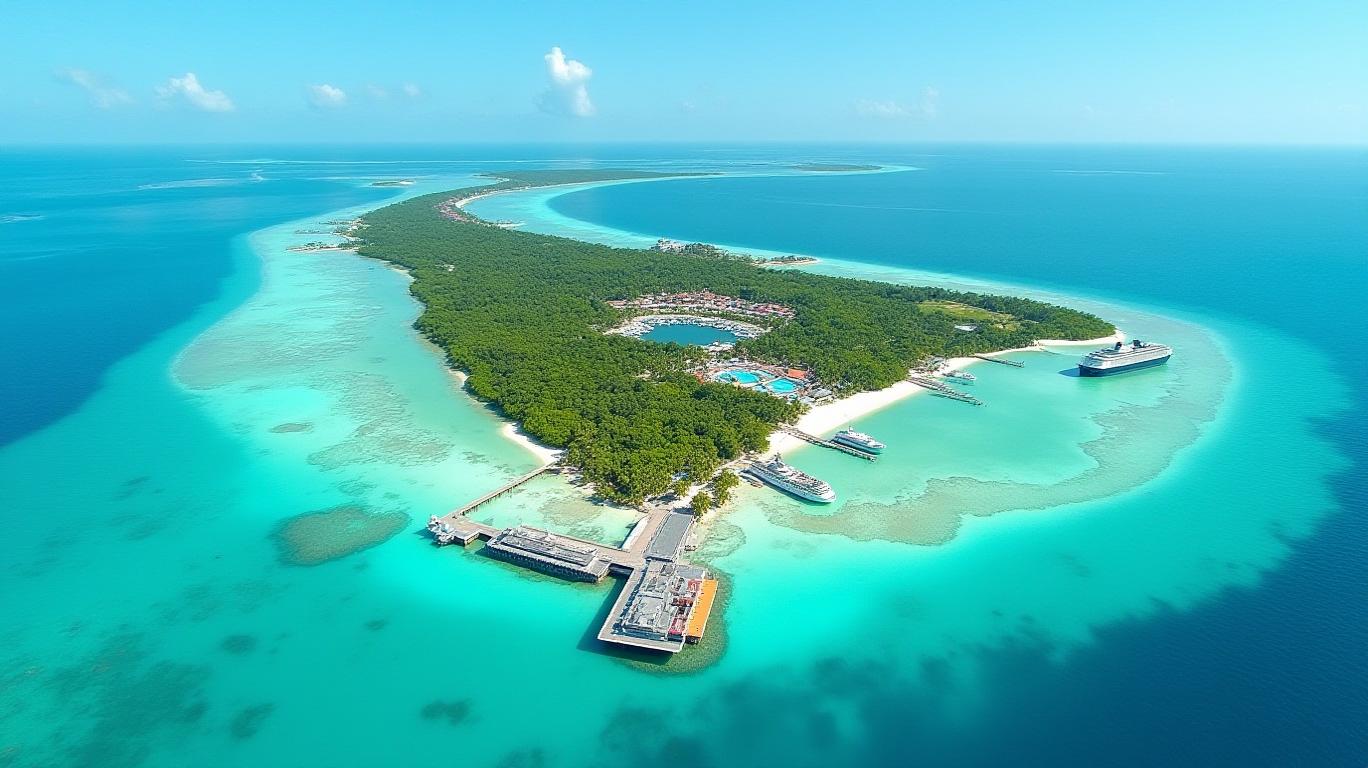
Norwegian Cruise Line Holdings (NCLH) has unveiled a $150 million overhaul of its Bahamian private island, Great Stirrup Cay, marking a bold strategic move to capitalize on soaring demand in the cruise industry. The project, set to launch by year-end 2025, reflects a blend of infrastructure expansion, guest experience innovation, and community engagement—elements critical to sustaining growth in a sector facing capacity constraints and rising expectations. For investors, the question is whether this investment will future-proof NCLH’s operations or become a costly gamble in an uncertain economic landscape.
The Infrastructure Pivot: From Bottleneck to Bottleneck Buster
At the heart of the plan is a new multi-ship pier capable of hosting two large cruise vessels simultaneously. This $150 million cornerstone addresses a longstanding challenge: the island’s previous single-pier design forced ships to queue, straining guest arrival processes and limiting visitation. The Bahamas government’s involvement, highlighted by the attendance of Prime Minister Philip Davis, underscores the project’s alignment with the nation’s tourism goals.
The dual-pier design isn’t merely about convenience—it’s a strategic play to accommodate NCLH’s expanding fleet. With 33 ships currently in operation and plans to add 12 more by 2036, the company aims to serve an estimated 1 million annual visitors to the island by 2026. This growth hinges on seamless logistics, making the pier an essential enabler of scalability.
Guest Experience: Beyond the Beach
The upgrades extend beyond infrastructure to immersive amenities. A new welcome center will streamline check-ins, while a tram system promises easier exploration of the 1,100-acre island. The introduction of premium concepts like the adults-only Vibe Beach Club and Horizon Park’s recreational offerings—directly lifted from NCLH’s shipboard menus—aims to create a cohesive brand experience.
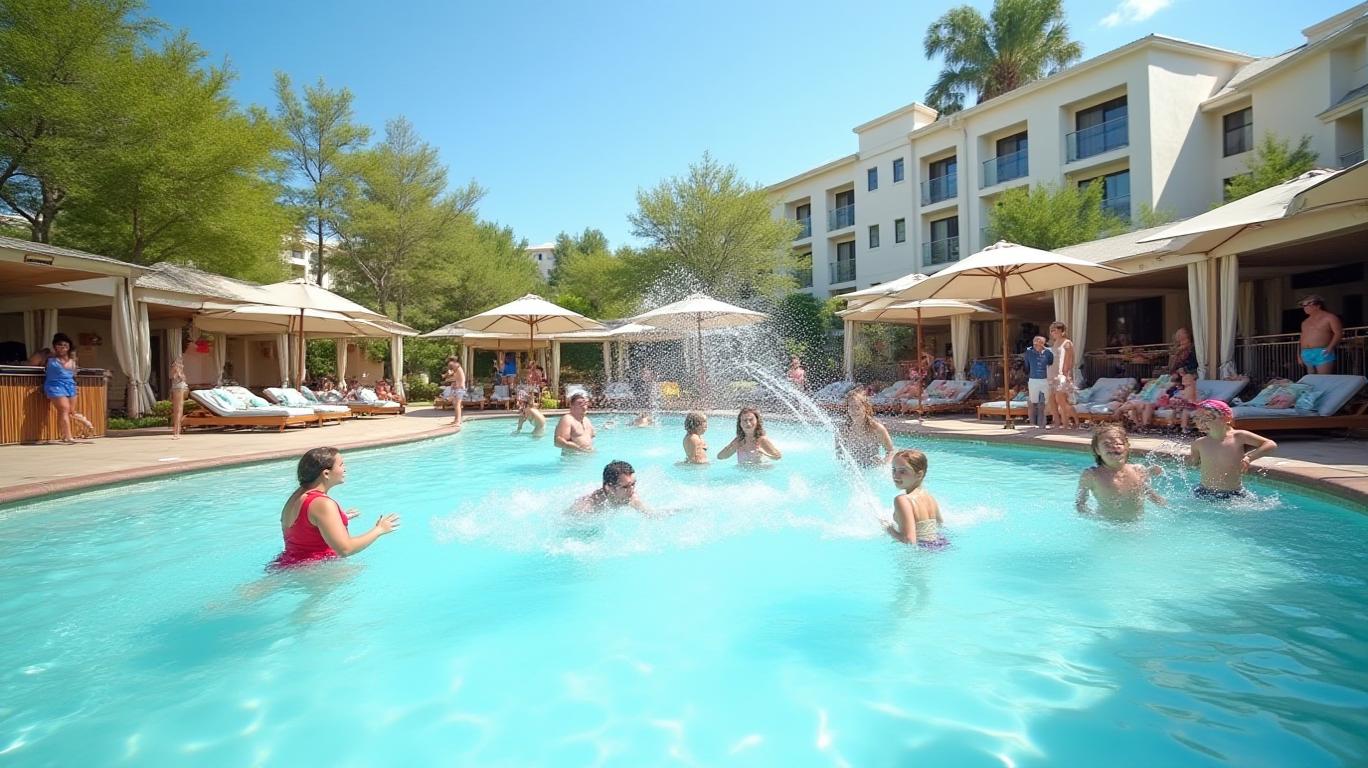
President David J. Herrera’s emphasis on “guest-centric experiences” signals a shift toward differentiation. Competitors like Carnival Corp (CCL) and MSC Cruises have invested heavily in private destinations, but NCLH’s focus on flexibility—allowing travelers to “design their best vacation”—could set it apart.
Community Ties: A $45K Investment in Goodwill?
NCLH’s $45,000 pledge to Bahamian educational initiatives in 2025 raises eyebrows given the scale of the island’s development. While modest compared to the overall investment, the move aligns with cruise lines’ broader CSR strategies, which include scholarships and infrastructure support.
The gesture is likely a preemptive measure to maintain regulatory and public support. The Bahamas has historically balanced reliance on cruise tourism with concerns over environmental and economic equity. For NCLH, sustaining local partnerships will be critical to avoiding backlash as visitor numbers surge.
Risks: Debt, Demand, and the Bahamas’ Regulatory Landscape
NCLH’s confidence in the project is notable given its existing debt load. With $6.2 billion in total debt as of 2023, the company’s ability to service obligations while funding expansion hinges on strong revenue growth.
Economic headwinds also loom. Rising fuel costs, inflationary pressures, and potential shifts in travel preferences could dampen demand. CEO Harry Sommer’s optimism about “future-proofing” the destination assumes continued post-pandemic recovery—a trend now facing uncertainty as global economies teeter.
Conclusion: A High-Reward, High-Risk Gamble
Norwegian Cruise Line’s Great Stirrup Cay overhaul is a masterclass in addressing both operational and experiential gaps. The dual-pier design alone could boost efficiency enough to justify the $150 million price tag if demand meets projections. The integration of brand-specific amenities positions the island as a unique selling point, potentially driving higher ticket sales and repeat visits.
However, success depends on execution. NCLH must ensure the project stays on budget and timeline—delays could strain liquidity. Meanwhile, the company’s debt management and ability to navigate regulatory scrutiny in the Bahamas will determine whether this becomes a landmark success or a cautionary tale.
For investors, the calculus is clear: NCLH is betting big on cruise tourism’s rebound, leveraging its scale and brand strength to dominate a niche. The stakes are high, but with a projected 37,500 additional berths by 2036, the company is doubling down on its belief that private island experiences will remain a premium draw. The question is whether the market—and the Bahamas—will return the favor.





Comentarios
Aún no hay comentarios