
Norway's Energy Renaissance: Strategic Opportunities in a Low-Carbon Transition
Norway is poised to redefine the global energy landscape in 2025, blending aggressive fossilFOSL-- fuel expansion with cutting-edge decarbonization efforts. With record investments, electrification at scale, and a government committed to balancing climate goals with energy security, Norwegian energy assets present a compelling opportunity for investors seeking resilient, low-carbon plays in an evolving market. Here's why this Nordic powerhouse deserves your attention now.
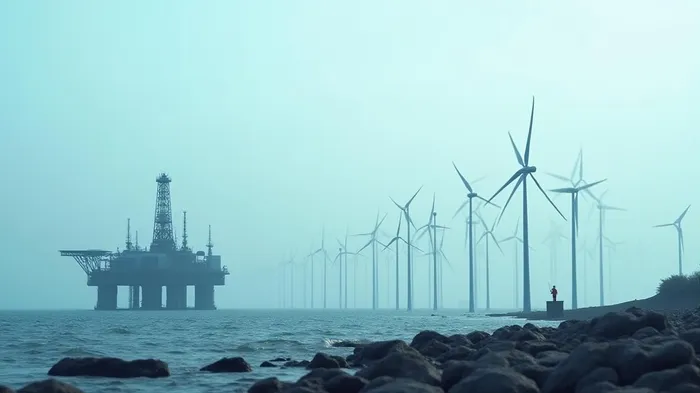
The Investment Surge: Fueling Growth Amid Transition
Norway's oil and gas sector is experiencing a historic boom, with 2025 investments projected to hit $24.68 billion—a 7.7% jump from 2024 and a new record since 2014. This surge is driven by rising demand for natural gas post-Ukraine invasion, cost inflation, and accelerated project approvals. Major players like Equinor (EQNR), Aker BP, and Vår Energi are leading the charge, with 45 new exploration wells planned this year—the highest since 2019.
Key discoveries, such as the Cerisa field in the Barents Sea (up to 4.8 million cubic meters of recoverable oil equivalent) and tie-ins to existing infrastructure like Gjøa North, could unlock up to 110 million barrels of oil equivalent by 2026. These projects not only extend Norway's production life but also ensure cost efficiencies through repurposed infrastructure—a strategic advantage in a capital-constrained world.
Electrification: The Secret to Low-Carbon Oil
Norway's true edge lies in its electrification push. By 2026, 60% of oil production will be powered by hydropower, slashing upstream emissions by over 80% compared to global averages. This transition is already bearing fruit: Rystad Energy notes that electrified platforms emit 0.3 kg of CO₂ per barrel—far below the 1.2 kg average for non-electrified operations.
For investors, this means Norwegian assets are uniquely positioned to meet ESG criteria without sacrificing profitability. Companies like Equinor and Aker are pioneers in this space, leveraging Norway's abundant renewable energy to create “greener” oil and gas—ideal for portfolios seeking fossil fuel exposure with reduced climate risk.
Government Support: A Steady Hand in Shifting Sands
Norway's government has doubled down on its energy sector, framing fossil fuels as critical to European energy security while advancing climate goals. With a 2030 target of 55% emissions reduction (rated “Almost Sufficient” by Climate Action Tracker), Oslo is walking a tightrope—but one bolstered by results.
Critics argue that new projects like Yggdrasil and Tyrving clash with global net-zero targets. Yet Norway's rebuttal is pragmatic: its low-emission oil and gas displaces dirtier alternatives (e.g., Russian coal or Middle Eastern crude), and its Sovereign Wealth Fund invests $10 billion annually in renewables worldwide. This hybrid model—“green energy funded by black gold”—could be the template for a balanced transition.
Why Act Now? The Risk-Adjusted Opportunity
The Norwegian energy sector offers a rare combination of immediate returns and long-term resilience:
1. Demand Stability: Natural gas remains Europe's bridge fuel, with Norway holding 85% market share.
2. Low Carbon Premium: Electrified assets attract ESG-conscious investors, avoiding the stigma of “stranded assets.”
3. Geopolitical Insurance: As energy nationalism rises, Norway's stable governance and infrastructure reliability are unmatched.
Conclusion: A Bridge to the Future
Norway isn't just defending its oil crown—it's redefining its relevance. By marrying exploration ambition with electrification, Oslo is turning hydrocarbons into a low-carbon cash flow machine. For investors, this is no “last stand” for fossil fuels but a strategic entry point into an energy future where pragmatism beats perfection.
The time to act is now: with $24.68 billion already flowing into projects that blend profit and principle, Norway's energy renaissance is just beginning.
This analysis does not constitute financial advice. Consult your investment advisor before making decisions.







Comentarios
Aún no hay comentarios