
Norway Braces for Potential Russian Sabotage of Energy Assets
Generado por agente de IACyrus Cole
miércoles, 5 de febrero de 2025, 4:30 am ET2 min de lectura
BJ--
Norway, a key European energy supplier, is facing increased risks of Russian sabotage against its energy infrastructure, as geopolitical tensions between Russia and NATO escalate. The Norwegian government and security agencies are taking proactive measures to enhance the security of its energy assets, but the long-term implications of these tensions on Norway's energy security remain uncertain.
Increased Dependence on Norwegian Gas
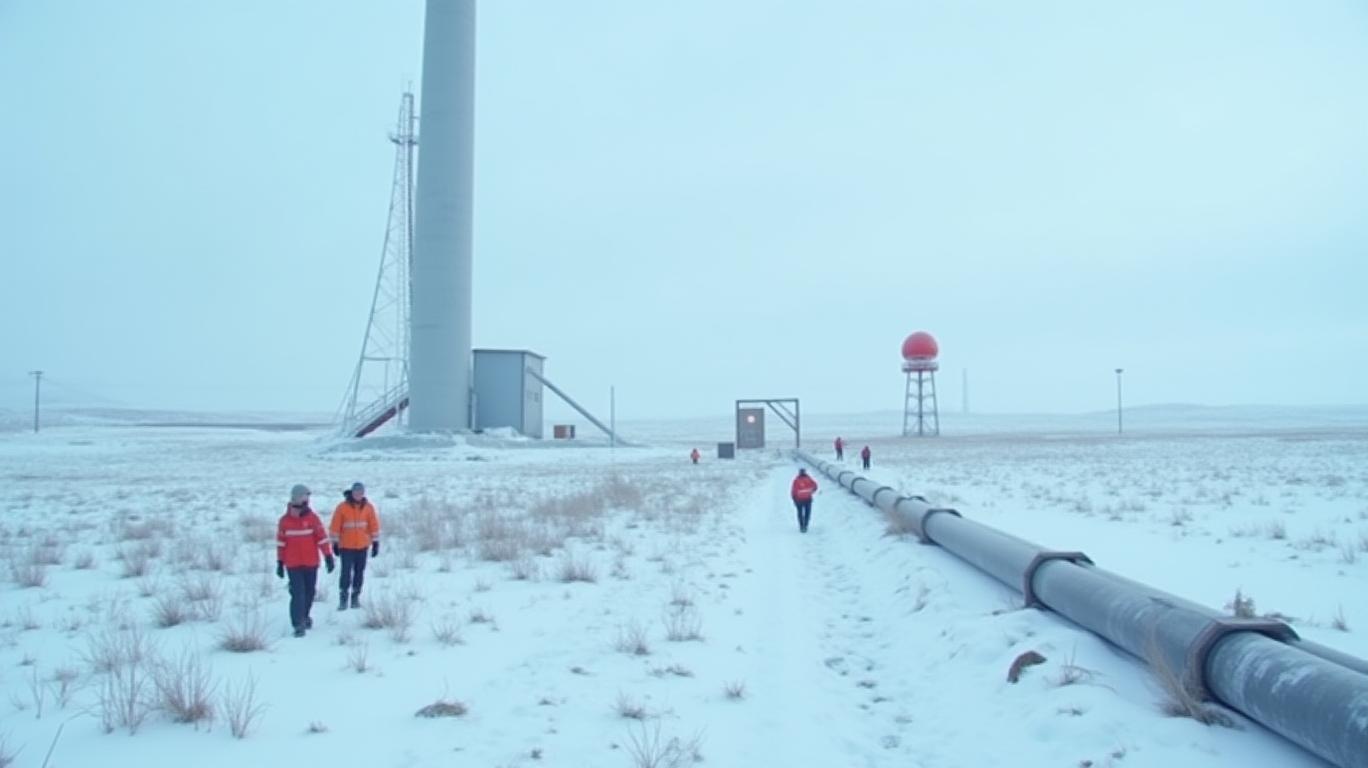
As Europe shifts away from Russian energy imports, Norway has emerged as the EU's main gas supplier. Exports to Europe increased by 27% in 2022 compared to the previous year, raising concerns about potential threats to Europe's energy security if Norway's energy infrastructure were to be targeted. Lars Christian Aamodt, head of the National Security Authority, expressed his concerns about Europe's growing dependence on Norwegian gas: "As soon as the dependency increases, so will the threat and the risk."
Vulnerability to Attacks
Norway's oil and gas installations are considered vulnerable to physical sabotage and cyberattacks, as highlighted by the Norwegian security chief. Reports of Russian surveillance of energy infrastructure in Norway, the Netherlands, and Belgium have further added to concerns about the threat posed by Russia's hybrid attacks. Bjørn Arild Gram, Norway's Defense Minister, warned that the current security situation is serious, and small states like Norway must maneuver with wisdom and take security policy risks into account in decisions made in all sectors.
Geopolitical Risks
The ongoing tensions between Russia and NATO, as well as the Israel-Hamas war, have further heightened concerns about potential Russian attacks on critical infrastructure, including Norway's energy installations. Any disruption to Norway's energy production would be a significant threat to Europe's energy security, as it would be nearly impossible for the EU to find a replacement for Norwegian energy. European policy-makers are particularly concerned about the threat of Russian hybrid attacks on critical infrastructure, which could lead to serious escalation between Moscow and the West.
Norway's Response
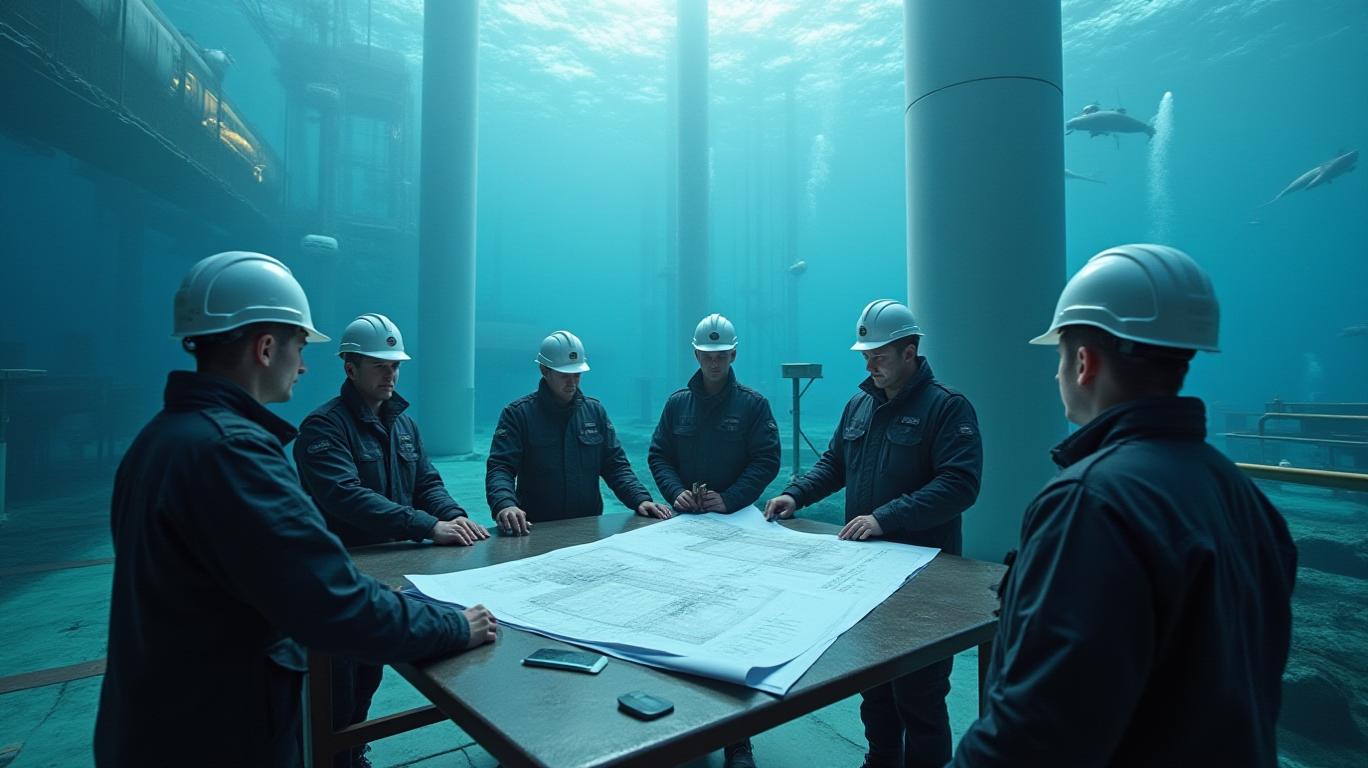
Norway is taking several measures to enhance the security of its energy infrastructure, including boosting security around vital energy infrastructure, investing in the protection of underwater infrastructure, and establishing a national strategy for countering hybrid threats. The EU and NATO are stepping up efforts to counter hybrid threats by increasing intelligence sharing and joint training exercises, while the EU is looking to adopt the Finnish and Swedish 'whole-of-society' approaches to increase resilience against hybrid threats.
In conclusion, Norway's dependence on Russian energy imports and its strategic importance as a European energy supplier have raised concerns about potential sabotage by Russia. While Norway is taking proactive measures to enhance the security of its energy infrastructure, the long-term implications of geopolitical tensions between Russia and NATO on Norway's energy security remain uncertain. Europe must continue to diversify its energy supply and strengthen its cooperation with allies to mitigate potential risks stemming from these tensions.
SNFCA--
VTLE--
WEST--
Norway, a key European energy supplier, is facing increased risks of Russian sabotage against its energy infrastructure, as geopolitical tensions between Russia and NATO escalate. The Norwegian government and security agencies are taking proactive measures to enhance the security of its energy assets, but the long-term implications of these tensions on Norway's energy security remain uncertain.
Increased Dependence on Norwegian Gas
As Europe shifts away from Russian energy imports, Norway has emerged as the EU's main gas supplier. Exports to Europe increased by 27% in 2022 compared to the previous year, raising concerns about potential threats to Europe's energy security if Norway's energy infrastructure were to be targeted. Lars Christian Aamodt, head of the National Security Authority, expressed his concerns about Europe's growing dependence on Norwegian gas: "As soon as the dependency increases, so will the threat and the risk."
Vulnerability to Attacks
Norway's oil and gas installations are considered vulnerable to physical sabotage and cyberattacks, as highlighted by the Norwegian security chief. Reports of Russian surveillance of energy infrastructure in Norway, the Netherlands, and Belgium have further added to concerns about the threat posed by Russia's hybrid attacks. Bjørn Arild Gram, Norway's Defense Minister, warned that the current security situation is serious, and small states like Norway must maneuver with wisdom and take security policy risks into account in decisions made in all sectors.
Geopolitical Risks
The ongoing tensions between Russia and NATO, as well as the Israel-Hamas war, have further heightened concerns about potential Russian attacks on critical infrastructure, including Norway's energy installations. Any disruption to Norway's energy production would be a significant threat to Europe's energy security, as it would be nearly impossible for the EU to find a replacement for Norwegian energy. European policy-makers are particularly concerned about the threat of Russian hybrid attacks on critical infrastructure, which could lead to serious escalation between Moscow and the West.
Norway's Response
Norway is taking several measures to enhance the security of its energy infrastructure, including boosting security around vital energy infrastructure, investing in the protection of underwater infrastructure, and establishing a national strategy for countering hybrid threats. The EU and NATO are stepping up efforts to counter hybrid threats by increasing intelligence sharing and joint training exercises, while the EU is looking to adopt the Finnish and Swedish 'whole-of-society' approaches to increase resilience against hybrid threats.
In conclusion, Norway's dependence on Russian energy imports and its strategic importance as a European energy supplier have raised concerns about potential sabotage by Russia. While Norway is taking proactive measures to enhance the security of its energy infrastructure, the long-term implications of geopolitical tensions between Russia and NATO on Norway's energy security remain uncertain. Europe must continue to diversify its energy supply and strengthen its cooperation with allies to mitigate potential risks stemming from these tensions.

Divulgación editorial y transparencia de la IA: Ainvest News utiliza tecnología avanzada de Modelos de Lenguaje Largo (LLM) para sintetizar y analizar datos de mercado en tiempo real. Para garantizar los más altos estándares de integridad, cada artículo se somete a un riguroso proceso de verificación con participación humana.
Mientras la IA asiste en el procesamiento de datos y la redacción inicial, un miembro editorial profesional de Ainvest revisa, verifica y aprueba de forma independiente todo el contenido para garantizar su precisión y cumplimiento con los estándares editoriales de Ainvest Fintech Inc. Esta supervisión humana está diseñada para mitigar las alucinaciones de la IA y garantizar el contexto financiero.
Advertencia sobre inversiones: Este contenido se proporciona únicamente con fines informativos y no constituye asesoramiento profesional de inversión, legal o financiero. Los mercados conllevan riesgos inherentes. Se recomienda a los usuarios que realicen una investigación independiente o consulten a un asesor financiero certificado antes de tomar cualquier decisión. Ainvest Fintech Inc. se exime de toda responsabilidad por las acciones tomadas con base en esta información. ¿Encontró un error? Reportar un problema


SOBRE NOSOTROS
Nuestra historiaAutores de noticiasBase de conocimientosPolítica de privacidadTérmino de usoDescargo de responsabilidad de corretaje de tercerosTérminos de uso de AIMEDivulgaciones de riesgos de AInvest AICarrerasCONTÁCTENOS
Email: support@ainvest.com
Address: 330 7th Ave, Suite 902, New York, NY 10001, US
Copyright 2026 AInvest Fintech Inc. All rights reserved.


Comentarios
Aún no hay comentarios