
Norway’s Arctic Ambitions: A 100-Day Military Gamble with Big Investment Payoffs?
Norway’s recent 100-day military exercise in the Arctic—part of its broader Joint Viking 2025 drills—has set the stage for a geopolitical showdown in one of the world’s most contested regions. With defense spending soaring and alliances shifting, investors are watching closely to see which sectors will profit and where risks lie.
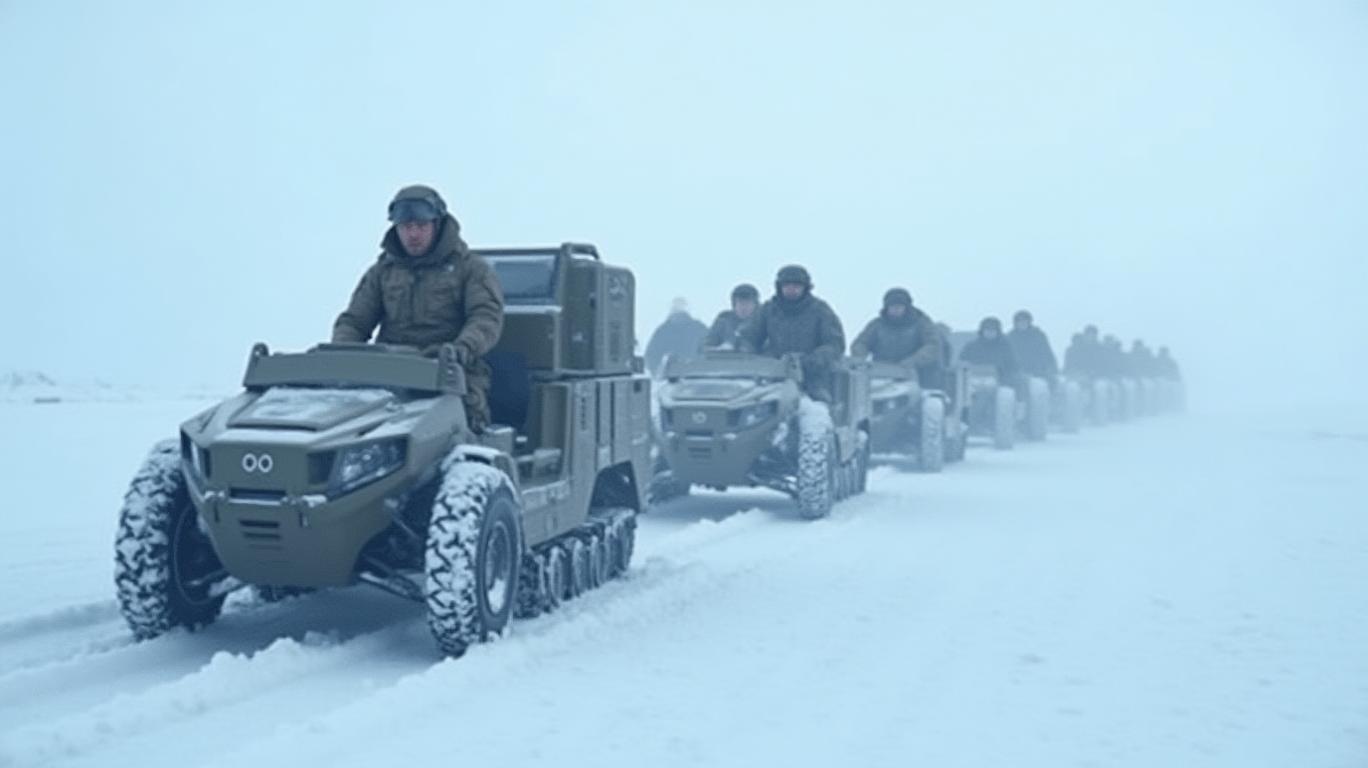
The Strategic Shift in the Arctic
Norway’s military push isn’t just about training. It’s a multi-billion-dollar bet on the region’s future, driven by two key factors: Russia’s aggressive militarization and the melting Arctic ice, which is opening new shipping routes and resource-rich areas.
The Joint Viking 2025 exercise—involving over 10,000 troops from nine nations—tested everything from amphibious landings to drone defense. But the real story is the Long-Term Defence Plan (2025–2036), which aims to double Norway’s defense budget to NOK 1,624 billion (≈$156 billion USD) over 12 years. This isn’t just about buying tanks; it’s about securing strategic chokepoints like the Barents Sea and the Greenland-Iceland-UK (GIUK) gap, which Russia could exploit to bypass NATO’s naval dominance.
Military Spend and Defense Contracts: Where the Money Flows
Norway’s defense buildup is a goldmine for certain industries:
- Shipbuilding and Submarines:
- Companies like Kongsberg Gruppen (KONGSBERG) are poised to benefit from contracts to build ice-resistant frigates and advanced submarines.
Uncrewed Systems and Cybersecurity:
- Norway’s plan emphasizes drones and autonomous systems to monitor vast Arctic territories. Firms like Thales Norway and Saab could see demand surge for surveillance tech.
Cybersecurity is critical: Russia’s hybrid tactics include cyberattacks on energy infrastructure.
Satellite and Surveillance Tech:
- Norway is expanding its satellite network to improve Arctic situational awareness. Look for opportunities in firms like Space Norway, which operates the Pituffik Space Base in Greenland.
Geopolitical Risks and Opportunities
Norway’s moves are a direct response to Russia’s Arctic aggression, including its Ivan Papanin icebreaking warship and expanding military bases. But the risks are two-sided:
- Sanctions and Supply Chains: Russia’s Arctic LNG 2 project—despite Western sanctions—shows how China and Russia are partnering to exploit Arctic resources. This could squeeze Norwegian energy firms.
- NATO’s Role: The U.S. and NATO allies are investing heavily in Arctic readiness. Norway’s Supplementary Defence Cooperation Agreement grants U.S. forces access to six bases, including Bardufoss.
The Economic Ripple Effect
Beyond defense, the Arctic’s resource potential is massive:
- Critical Minerals: The EU’s push for lithium and rare earths—vital for EVs—has Norway’s Finnmark region in play. But Indigenous groups like the Saami Council oppose projects they say infringe on land rights.
- Shipping Routes: Melting ice is opening the Northern Sea Route, cutting shipping times from Asia to Europe. Firms like Wilhelmsen (shipping) and Kongsberg (ice-strengthened vessel tech) stand to gain.
Risks and Considerations
- Environmental and Social Pushback:
- Climate activists and Indigenous groups are fighting mining projects. The EU’s Critical Raw Materials Act faces backlash, raising regulatory risks.
Funding Sustainability: Norway’s budget depends on oil revenues. A collapse in energy prices could derail defense plans.
Geopolitical Volatility: A miscalculation with Russia could spark conflict, disrupting energy exports and shipping.
Conclusion: Arctic Gold or Fool’s Gold?
Norway’s Arctic gamble is a high-stakes game with $150 billion+ in defense spending and strategic control of key routes at stake. Investors should prioritize:
- Defense contractors like Kongsberg Gruppen for shipbuilding and tech.
- Uncrewed systems and cybersecurity firms to address hybrid threats.
- Arctic logistics and energy infrastructure plays, but with caution on ESG risks.
The data is clear: Norway’s defense budget grew by NOK 16.5 billion in 2025 alone, and its plan to double spending by 2036 signals a decade-long tailwind for certain sectors. Yet, investors must weigh the geopolitical and environmental risks. In the Arctic, the payoff could be huge—but so are the pitfalls.
Final Take: For investors, the Arctic is the new frontier. But tread carefully: this is a region where polar bears and geopolitical bears both stalk the ice.







Comentarios
Aún no hay comentarios