
Northrop Grumman’s B-21 Challenges: A Storm in the Short Term, But Clouds on the Horizon?
Northrop Grumman (NOC) has long been a pillar of the U.S. defense industrial complex, but its first-quarter 2025 earnings report revealed a storm brewing around its flagship B-21 Raider stealth bomber program. The aircraft, designed to dominate future aerial warfare, now threatens to dominate headlines for all the wrong reasons: soaring costs, profit warnings, and a stock price that tumbled 10% premarket on the news. For investors, the question is clear: Is this a temporary setback, or does it signal deeper flaws in Northrop’s execution?
The B-21’s Financial Tsunami
The Q1 results were stark. Net income plunged 49% year-over-year to $481 million, driven by a $477 million non-cash charge tied to the B-21 program. This non-cash adjustment—related to higher manufacturing costs as production scales—shaved $2.74 per share from earnings, pushing adjusted EPS to $6.06, well below analyst estimates of $6.26. Total sales fell 7% to $9.47 billion, with the B-21’s cost overruns directly blamed for the miss.
The pain isn’t just quarterly. Northrop slashed its full-year 2025 EPS guidance to $24.95–$25.35, down from a prior range of $27.85–$28.25. The Aeronautics Systems division, which houses the B-21, swung from a $306 million operating profit in Q1 2024 to a $183 million loss in 2025. Margins here are now forecast to drop to 6%–mid-6%, versus a prior “mid-to-high 9%” outlook.
Why Is the B-21 Struggling?
The program’s issues stem from manufacturing complexities as Northrop ramps up production. The company admitted to adjusting production processes to accelerate output, which triggered higher-than-expected costs. While these are framed as temporary, cumulative losses on the first five production lots now exceed $2 billion, with after-tax impacts totaling $397 million in Q1 alone.
Analysts highlight two broader risks:
1. Supply Chain Strains: U.S. trade policies, including tariffs imposed under former President Trump, have disrupted global defense supply chains. This has forced Northrop and peers to seek alternatives, adding costs.
2. Geopolitical Shifts: The European Union’s push to reduce reliance on U.S. defense systems by 2030 could erode long-term demand.
Silver Linings in the Backlog
Amid the gloom, Northrop’s $92.8 billion backlog (up 16.5% year-over-year) offers hope. This record level reflects strong demand for non-B-21 programs, including:
- Defense Systems: Sentinel radar and Stand-in Attack Weapon sales drove a 33.6% revenue surge.
- Mission Systems: Microelectronics and marine systems grew 3.9%.
The company also emphasized strategic moves:
- A planned $300 million divestiture of its Training Services division to focus resources on core defense tech.
- International expansion, as global defense budgets rise amid geopolitical tensions.
Stock Performance: A Vote of No Confidence?
Investors reacted swiftly. Northrop’s stock fell 10% premarket to $485, reflecting skepticism about its ability to recover margins. While the backlog and other segments provide a floor, the B-21’s financial toll is undeniable.
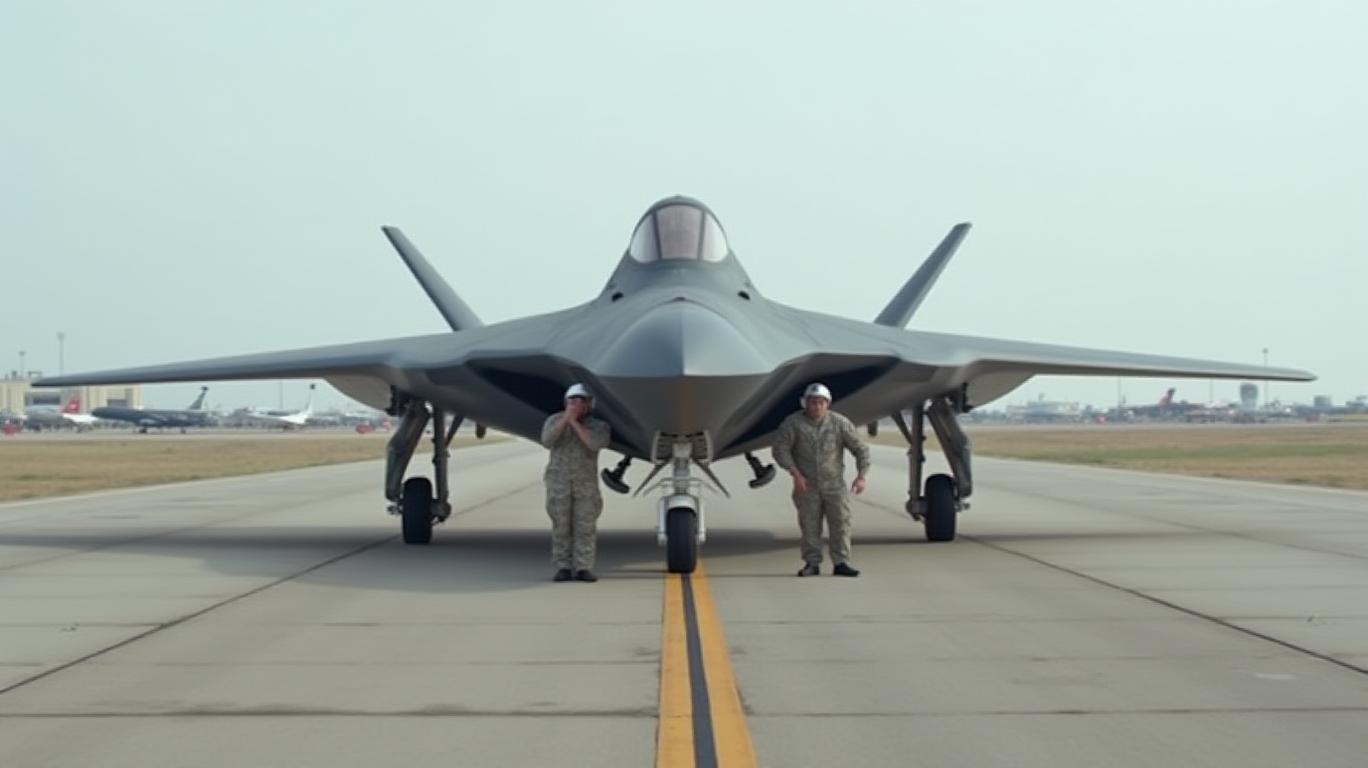
The Long Game: Will the B-21 Pay Off?
Northrop’s management insists the program is a “temporary” cost burden, with profitability to follow as production scales. The B-21’s strategic importance to U.S. nuclear deterrence and potential international sales (e.g., Japan, NATO allies) justify the investment.
However, risks remain:
- Margin Recovery: The Aeronautics margin is now projected at just 6%, versus historical highs. Can Northrop cut costs enough to rebound?
- Global Demand: If the EU reduces reliance on U.S. systems, Northrop’s international growth bets could falter.
Conclusion: Navigating the Storm
Northrop Grumman’s Q1 results underscore the high stakes of defense innovation. The B-21 program’s cost overruns have slashed profits and shaken investor confidence, but the company’s record backlog and diversified portfolio suggest resilience.
Crucial data points for investors:
- Backlog Growth: $92.8 billion (up 16.5% YoY) provides a multiyear revenue runway.
- Dividend Stability: Northrop maintained its $1.10 annual dividend, signaling confidence in cash flow.
- Production Scale: If manufacturing efficiencies materialize, the B-21’s margins could rebound, easing pressure on EPS.
Yet risks linger. The stock’s 10% drop and lowered guidance reflect a market demanding proof that Northrop can execute. For now, the B-21 is both a crown jewel and a millstone—its success or failure will determine whether this is a temporary storm or a sign of deeper vulnerabilities.
Investors should monitor Q2 2025 production updates, the U.S.-China trade relationship, and Northrop’s margin recovery trajectory. Until then, the B-21 remains the ultimate test of Northrop’s ability to deliver on its strategic vision.







Comentarios
Aún no hay comentarios