
North Korea: Respects Iranians’ right to choose a new supreme leader – KCNA
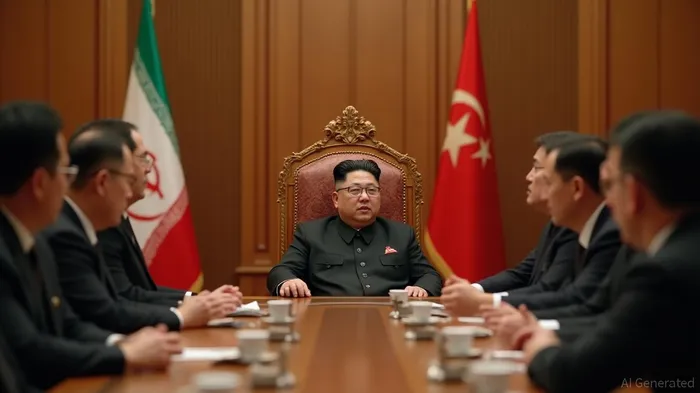
North Korea’s state media has condemned U.S. and Israeli military actions against Iran while refraining from acknowledging the death of Iran’s supreme leader, Ayatollah Ali Khamenei, or the broader leadership transition in Tehran. The Korean Central News Agency (KCNA) criticized Washington and Tel Aviv for violating international law through their strikes but did not explicitly address the removal of Khamenei, a key figure in Iran’s governance according to analysis. Analysts suggest this omission reflects North Korea’s strategic emphasis on preserving the perceived invulnerability of its own leadership structure, which is central to maintaining domestic stability and authority as research shows.
Pyongyang’s response underscores its sensitivity to narratives that could undermine the mythic status of its leader, Kim Jong Un. By avoiding public acknowledgment of Khamenei’s fate, North Korea seeks to prevent domestic parallels that might challenge the notion of an untouchable, all-powerful ruler. This approach aligns with historical patterns, such as Kim Jong Il’s reduced public appearances during the 2003 Iraq War, when external military interventions heightened internal anxieties according to reports.
North Korea’s foreign policy calculus also includes broader geopolitical considerations. Despite mutual defense treaties with Russia and China, neither nation intervened militarily in Iran’s crisis, highlighting the limits of such alliances in practice according to analysis. Meanwhile, Kim Jong Un has signaled openness to dialogue with Washington, contingent on U.S. recognition of North Korea’s nuclear status, as outlined in recent Workers’ Party Congress statements as stated in recent reports.
The situation reflects North Korea’s balancing act between asserting sovereignty, managing internal perceptions of security, and navigating shifting global alliances. For investors, the regime’s prioritization of leadership stability and nuclear deterrence remains a critical factor in assessing regional risks and diplomatic trajectories.






Comentarios
Aún no hay comentarios