
North Carolina Enters Bitcoin Race with New Investment Bill
North Carolina Enters the Bitcoin Reserve Race with New Investment Bill
The state of North Carolina has joined the growing list of U.S. states exploring investments in digital assets like Bitcoin (BTC). On Monday, Representative Destin Hall introduced House Bill 92, also known as the “Digital Assets Investments Act,” with co-sponsors Representatives Mark Brody and Steve Ross.
The bill grants the North Carolina State Treasurer the authority to allocate state funds to digital assets, subject to strict security, management, and oversight criteria. Representative Hall stated, “Investing in digital assets like Bitcoin not only has the potential to generate positive yields for our state investment fund but also positions North Carolina as a leader in technological adoption and innovation.”
The legislation defines “digital assets” as virtual currencies, cryptocurrencies, and other digital assets that confer economic, proprietary, or access rights. The bill specifies that the average market capitalization of the digital assets over the preceding 12 months must be at least $750 billion. Currently, only Bitcoin meets this threshold, with a market cap of $1.95 trillion, according to BeInCrypto.
Beyond direct investments, the bill permits the State Treasurer to invest in digital asset exchange-traded products (ETPs) listed on reputable exchanges such as the New York Stock Exchange (NYSE) or NASDAQ, and compliant with rigorous security standards. The total amount allocated to digital assets cannot exceed 10% of the fund’s balance at the time of investment.
The bill also authorizes the State Treasurer to invest in over 30 special funds, including retirement systems, health plans, and other designated funds, ensuring investments align with each fund’s specific purposes and needs. Bitcoin Laws revealed on X (formerly Twitter) that North Carolina has approximately $9.6 billion in Reserve funds and $127 billion in its retirement systems, translating to an investible amount of around $13.7 billion.
North Carolina is not alone in exploring Bitcoin investments. Florida has also introduced its second bill, House Bill 487, to allocate 10% of public funds to Bitcoin. More than 20 states are actively working on similar Strategic Bitcoin Reserve legislation. Utah stands out as the most advanced, with its bill having passed the state house and now under consideration in the state senate. Arizona follows closely, with its bill having passed the 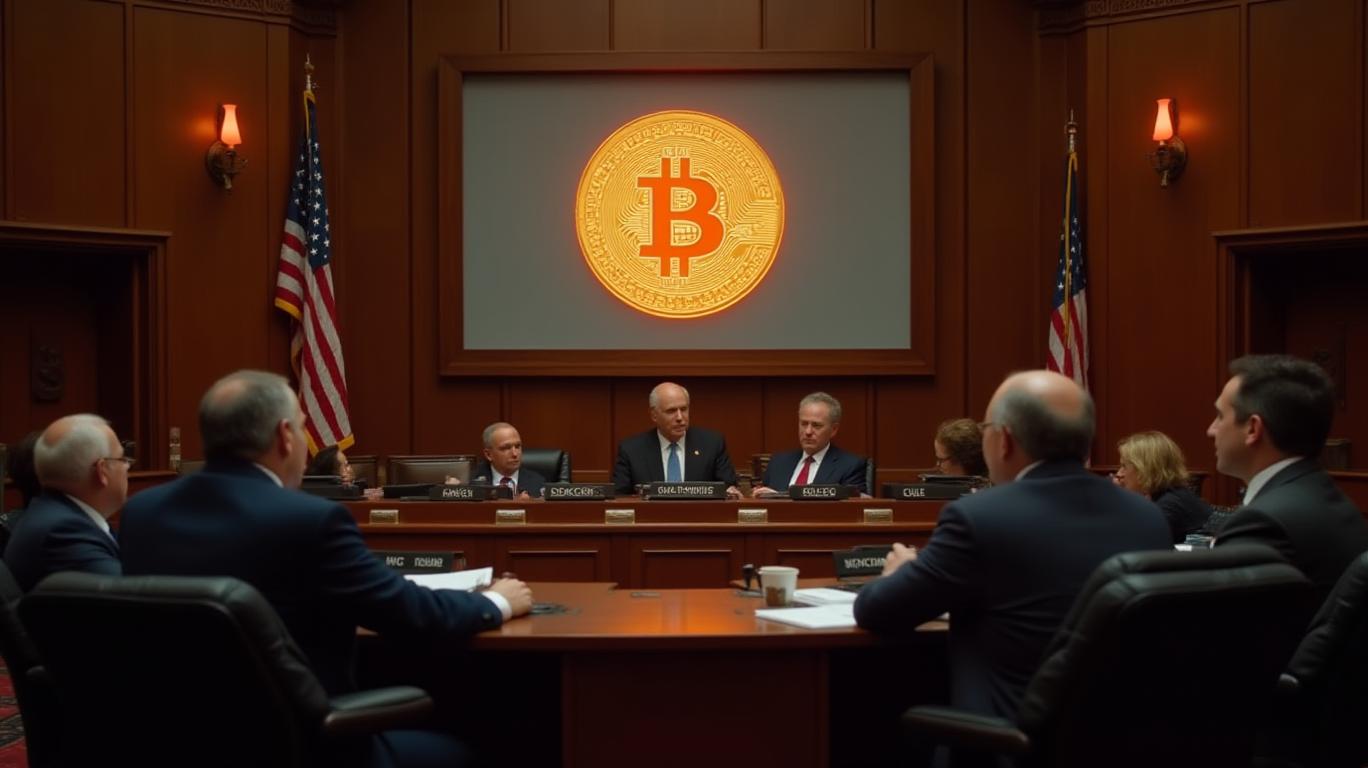






Comentarios
Aún no hay comentarios