
North American Firms Race Against Time: Tariff Delay Sparks 30-Day Rush
Generado por agente de IAWesley Park
miércoles, 5 de febrero de 2025, 7:07 am ET1 min de lectura
GM--
The 30-day delay in President Trump's tariffs on Canada and Mexico has sparked a flurry of activity across North America, as companies rush to adjust their supply chains and mitigate potential disruptions. With the threat of tariffs still looming, businesses are taking proactive measures to ensure the continued flow of goods and minimize the impact on consumers.

Automakers like General Motors and Toyota have already begun accelerating shipments of vehicles and parts from Mexico and Canada to the U.S. ahead of the potential tariffs. This trend is likely to continue during the one-month delay, as companies aim to minimize the impact of tariffs on their operations and costs. However, the uncertainty surrounding the tariffs may prompt automakers to evaluate the feasibility and costs of shifting production from Mexico and Canada to the U.S. or other countries.
The delay in tariffs also provides an opportunity for retailers to assess their supply chains and consider alternative sources for their products. Diversifying supply chains can help retailers reduce their reliance on imports from Canada and Mexico and mitigate the potential impact of tariffs on their costs and pricing strategies. Retailers may also choose to stockpile inventory to ensure they have enough products on hand to meet consumer demand, even if tariffs lead to supply chain disruptions or shortages.
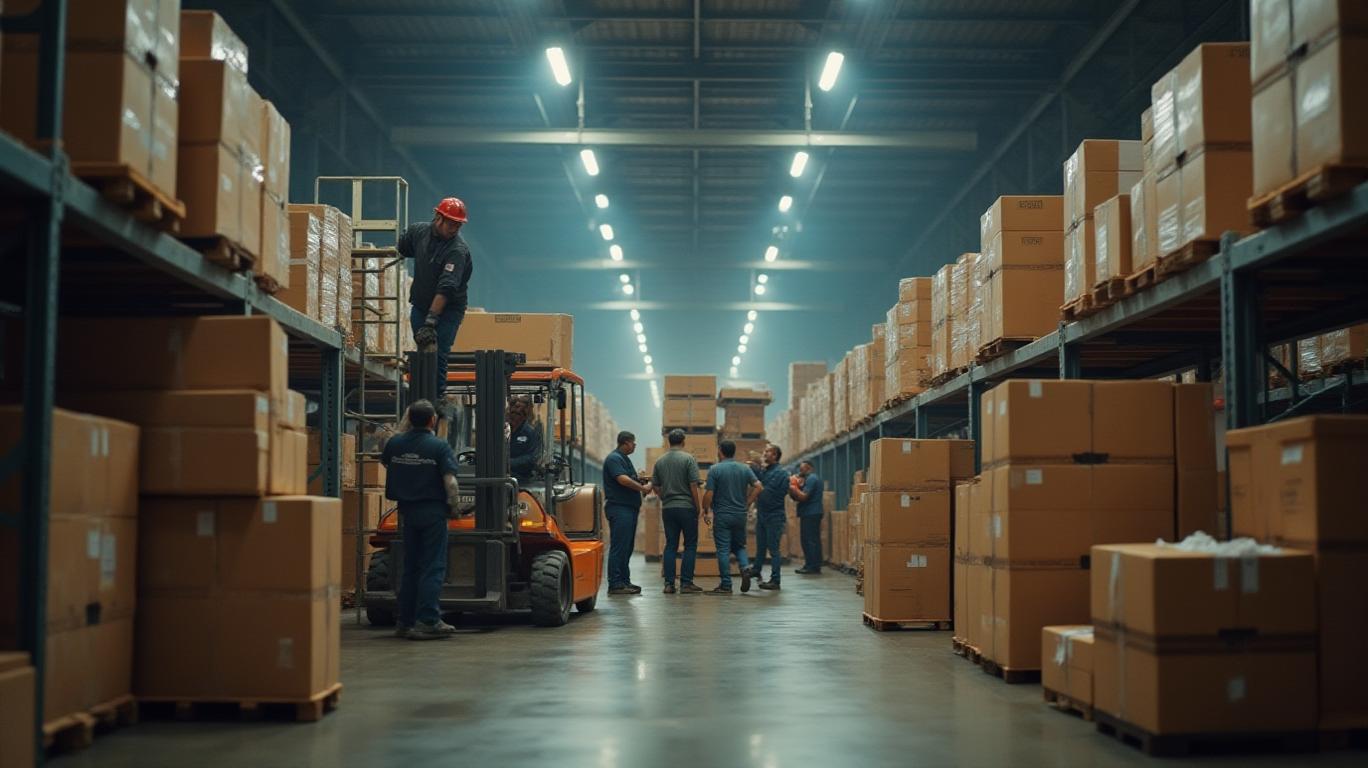
However, the uncertainty surrounding the tariffs may also lead to higher prices in the long run, as retailers may pass on the increased costs to consumers. To mitigate these impacts, retailers can work with their suppliers to renegotiate pricing and terms to offset the potential impact of tariffs on their costs. Additionally, retailers may choose to absorb the additional costs associated with tariffs rather than passing them on to consumers, at least in the short term, to maintain market share and avoid alienating customers.
In conclusion, the 30-day delay in tariffs has sparked a rush across North America, as companies race to adjust their supply chains and mitigate potential disruptions. While the delay provides an opportunity for businesses to take proactive measures, the uncertainty surrounding the tariffs may lead to higher prices and potential supply chain disruptions in the long run. To mitigate these impacts, retailers should take proactive measures to diversify their supply chains, stockpile inventory, negotiate with suppliers, and potentially absorb costs. As the situation evolves, businesses must remain vigilant and adaptable to ensure the continued flow of goods and minimize the impact on consumers.
TM--
The 30-day delay in President Trump's tariffs on Canada and Mexico has sparked a flurry of activity across North America, as companies rush to adjust their supply chains and mitigate potential disruptions. With the threat of tariffs still looming, businesses are taking proactive measures to ensure the continued flow of goods and minimize the impact on consumers.
Automakers like General Motors and Toyota have already begun accelerating shipments of vehicles and parts from Mexico and Canada to the U.S. ahead of the potential tariffs. This trend is likely to continue during the one-month delay, as companies aim to minimize the impact of tariffs on their operations and costs. However, the uncertainty surrounding the tariffs may prompt automakers to evaluate the feasibility and costs of shifting production from Mexico and Canada to the U.S. or other countries.
The delay in tariffs also provides an opportunity for retailers to assess their supply chains and consider alternative sources for their products. Diversifying supply chains can help retailers reduce their reliance on imports from Canada and Mexico and mitigate the potential impact of tariffs on their costs and pricing strategies. Retailers may also choose to stockpile inventory to ensure they have enough products on hand to meet consumer demand, even if tariffs lead to supply chain disruptions or shortages.
However, the uncertainty surrounding the tariffs may also lead to higher prices in the long run, as retailers may pass on the increased costs to consumers. To mitigate these impacts, retailers can work with their suppliers to renegotiate pricing and terms to offset the potential impact of tariffs on their costs. Additionally, retailers may choose to absorb the additional costs associated with tariffs rather than passing them on to consumers, at least in the short term, to maintain market share and avoid alienating customers.
In conclusion, the 30-day delay in tariffs has sparked a rush across North America, as companies race to adjust their supply chains and mitigate potential disruptions. While the delay provides an opportunity for businesses to take proactive measures, the uncertainty surrounding the tariffs may lead to higher prices and potential supply chain disruptions in the long run. To mitigate these impacts, retailers should take proactive measures to diversify their supply chains, stockpile inventory, negotiate with suppliers, and potentially absorb costs. As the situation evolves, businesses must remain vigilant and adaptable to ensure the continued flow of goods and minimize the impact on consumers.

Divulgación editorial y transparencia de la IA: Ainvest News utiliza tecnología avanzada de Modelos de Lenguaje Largo (LLM) para sintetizar y analizar datos de mercado en tiempo real. Para garantizar los más altos estándares de integridad, cada artículo se somete a un riguroso proceso de verificación con participación humana.
Mientras la IA asiste en el procesamiento de datos y la redacción inicial, un miembro editorial profesional de Ainvest revisa, verifica y aprueba de forma independiente todo el contenido para garantizar su precisión y cumplimiento con los estándares editoriales de Ainvest Fintech Inc. Esta supervisión humana está diseñada para mitigar las alucinaciones de la IA y garantizar el contexto financiero.
Advertencia sobre inversiones: Este contenido se proporciona únicamente con fines informativos y no constituye asesoramiento profesional de inversión, legal o financiero. Los mercados conllevan riesgos inherentes. Se recomienda a los usuarios que realicen una investigación independiente o consulten a un asesor financiero certificado antes de tomar cualquier decisión. Ainvest Fintech Inc. se exime de toda responsabilidad por las acciones tomadas con base en esta información. ¿Encontró un error? Reportar un problema


SOBRE NOSOTROS
Nuestra historiaAutores de noticiasBase de conocimientosPolítica de privacidadTérmino de usoDescargo de responsabilidad de corretaje de tercerosTérminos de uso de AIMEDivulgaciones de riesgos de AInvest AICarrerasCONTÁCTENOS
Email: support@ainvest.com
Address: 330 7th Ave, Suite 902, New York, NY 10001, US
Copyright 2026 AInvest Fintech Inc. All rights reserved.


Comentarios
Aún no hay comentarios