
Nissan and Honda in Merger Talks: A New Auto Industry Powerhouse?
Generado por agente de IAWesley Park
martes, 17 de diciembre de 2024, 10:54 pm ET2 min de lectura
HMC--
In a significant development in the global automotive industry, Nissan and Honda have confirmed that they are in talks to explore closer collaboration, with merger discussions reportedly underway. This potential union of two Japanese auto giants could create a formidable competitor to industry leaders like Toyota and Volkswagen, reshaping the competitive landscape. However, both companies have stated that no decision has been made regarding a merger.
The news of potential merger talks between Nissan and Honda comes as the automotive industry faces intense competition, particularly from electric vehicle (EV) manufacturers like Tesla and Chinese rivals. The pressure to cut costs and accelerate innovation has led automakers to seek strategic partnerships and mergers to stay competitive.
A merger between Nissan and Honda would create one of the world's largest automakers, with a combined market capitalization of over $50 billion. This would make it a formidable competitor to Toyota, which currently holds a 14% market share in the global automotive market. The combined company would have a stronger presence in key markets such as North America, Europe, and Asia, and would be better positioned to compete with international rivals like General Motors, Ford, and Volkswagen.
The potential synergies and cost savings from a merger between Honda and Nissan are significant. By combining research and development efforts, the new entity could accelerate the development of new electric vehicle technologies and reduce research costs. Additionally, a merger could lead to economies of scale in production and supply chain management, further reducing costs. These cost savings could be distributed among shareholders in the form of higher dividends or share buybacks, potentially increasing the value of their investments.
However, a merger between Honda and Nissan would also come with risks, such as integration challenges and potential job losses. The success of the merger would depend on the ability of the two companies to integrate their operations and cultures, which could be challenging given their different histories and approaches to business.
Mitsubishi Motors, in which Nissan holds a 24% stake, could play a significant role in a potential merger between Honda and Nissan. Including Mitsubishi under the holding company could create one of the world's largest auto groups, according to Nikkei. This would provide the combined entity with a broader range of products and technologies, potentially strengthening its position against competitors like Toyota. However, the inclusion of Mitsubishi may also introduce additional complexity and potential challenges in integrating three distinct corporate cultures and operations.
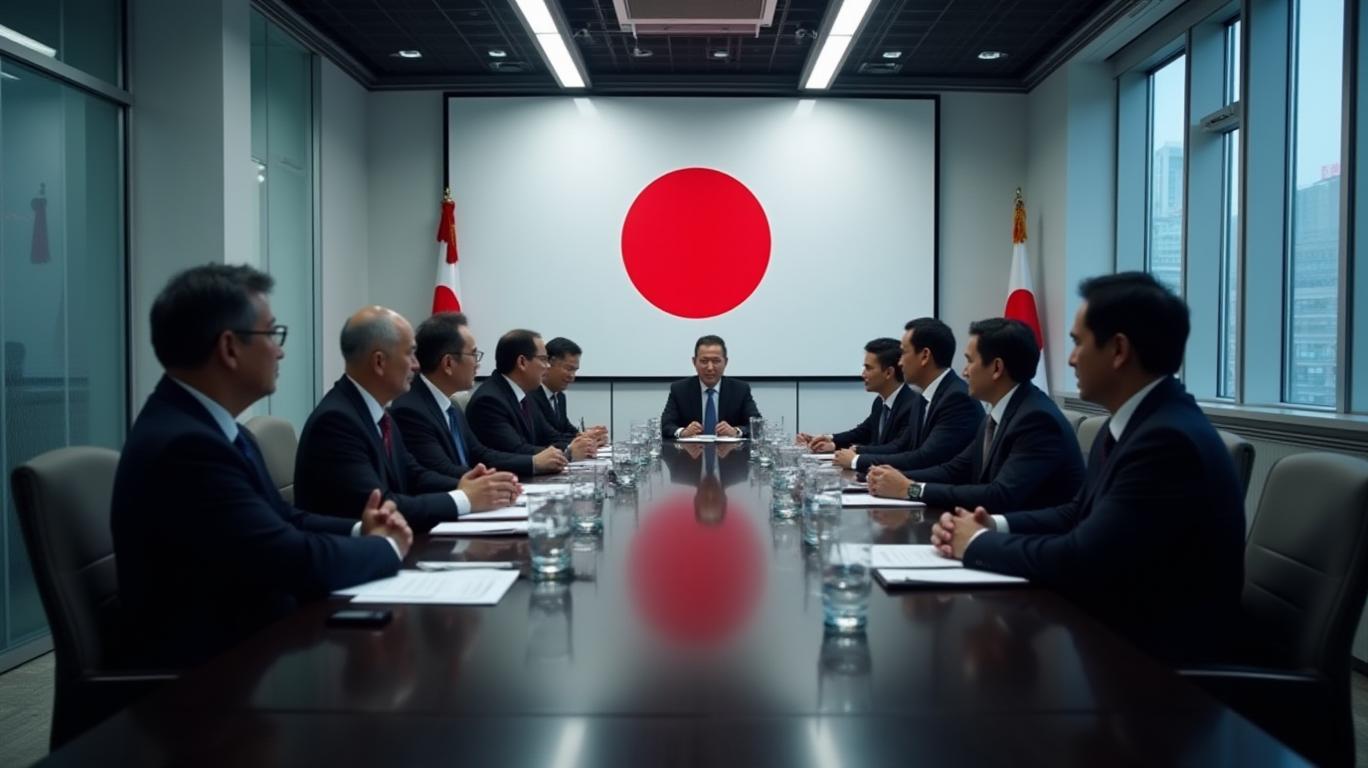
The potential merger between Nissan and Honda highlights the intense competition and pressures facing the global automotive industry. As traditional automakers grapple with the changing electric vehicle landscape and stalling demand in key markets, mergers and strategic partnerships have become increasingly attractive options. The success of a potential union between Nissan and Honda would depend on their ability to integrate operations and cultures, as well as their capacity to innovate and adapt to the rapidly evolving automotive landscape.
In conclusion, the potential merger between Nissan and Honda is a significant development in the global automotive industry. The combined entity would create one of the world's largest automakers, with a strong competitive position against industry leaders like Toyota and Volkswagen. However, the success of the merger would depend on the ability of the two companies to integrate their operations and cultures, as well as their capacity to innovate and adapt to the changing automotive landscape. Investors should closely monitor the progress of these talks and the potential impact on the competitive dynamics of the global automotive industry.
TM--
TSLA--
In a significant development in the global automotive industry, Nissan and Honda have confirmed that they are in talks to explore closer collaboration, with merger discussions reportedly underway. This potential union of two Japanese auto giants could create a formidable competitor to industry leaders like Toyota and Volkswagen, reshaping the competitive landscape. However, both companies have stated that no decision has been made regarding a merger.
The news of potential merger talks between Nissan and Honda comes as the automotive industry faces intense competition, particularly from electric vehicle (EV) manufacturers like Tesla and Chinese rivals. The pressure to cut costs and accelerate innovation has led automakers to seek strategic partnerships and mergers to stay competitive.
A merger between Nissan and Honda would create one of the world's largest automakers, with a combined market capitalization of over $50 billion. This would make it a formidable competitor to Toyota, which currently holds a 14% market share in the global automotive market. The combined company would have a stronger presence in key markets such as North America, Europe, and Asia, and would be better positioned to compete with international rivals like General Motors, Ford, and Volkswagen.
The potential synergies and cost savings from a merger between Honda and Nissan are significant. By combining research and development efforts, the new entity could accelerate the development of new electric vehicle technologies and reduce research costs. Additionally, a merger could lead to economies of scale in production and supply chain management, further reducing costs. These cost savings could be distributed among shareholders in the form of higher dividends or share buybacks, potentially increasing the value of their investments.
However, a merger between Honda and Nissan would also come with risks, such as integration challenges and potential job losses. The success of the merger would depend on the ability of the two companies to integrate their operations and cultures, which could be challenging given their different histories and approaches to business.
Mitsubishi Motors, in which Nissan holds a 24% stake, could play a significant role in a potential merger between Honda and Nissan. Including Mitsubishi under the holding company could create one of the world's largest auto groups, according to Nikkei. This would provide the combined entity with a broader range of products and technologies, potentially strengthening its position against competitors like Toyota. However, the inclusion of Mitsubishi may also introduce additional complexity and potential challenges in integrating three distinct corporate cultures and operations.
The potential merger between Nissan and Honda highlights the intense competition and pressures facing the global automotive industry. As traditional automakers grapple with the changing electric vehicle landscape and stalling demand in key markets, mergers and strategic partnerships have become increasingly attractive options. The success of a potential union between Nissan and Honda would depend on their ability to integrate operations and cultures, as well as their capacity to innovate and adapt to the rapidly evolving automotive landscape.
In conclusion, the potential merger between Nissan and Honda is a significant development in the global automotive industry. The combined entity would create one of the world's largest automakers, with a strong competitive position against industry leaders like Toyota and Volkswagen. However, the success of the merger would depend on the ability of the two companies to integrate their operations and cultures, as well as their capacity to innovate and adapt to the changing automotive landscape. Investors should closely monitor the progress of these talks and the potential impact on the competitive dynamics of the global automotive industry.

Divulgación editorial y transparencia de la IA: Ainvest News utiliza tecnología avanzada de Modelos de Lenguaje Largo (LLM) para sintetizar y analizar datos de mercado en tiempo real. Para garantizar los más altos estándares de integridad, cada artículo se somete a un riguroso proceso de verificación con participación humana.
Mientras la IA asiste en el procesamiento de datos y la redacción inicial, un miembro editorial profesional de Ainvest revisa, verifica y aprueba de forma independiente todo el contenido para garantizar su precisión y cumplimiento con los estándares editoriales de Ainvest Fintech Inc. Esta supervisión humana está diseñada para mitigar las alucinaciones de la IA y garantizar el contexto financiero.
Advertencia sobre inversiones: Este contenido se proporciona únicamente con fines informativos y no constituye asesoramiento profesional de inversión, legal o financiero. Los mercados conllevan riesgos inherentes. Se recomienda a los usuarios que realicen una investigación independiente o consulten a un asesor financiero certificado antes de tomar cualquier decisión. Ainvest Fintech Inc. se exime de toda responsabilidad por las acciones tomadas con base en esta información. ¿Encontró un error? Reportar un problema


SOBRE NOSOTROS
Nuestra historiaAutores de noticiasBase de conocimientosPolítica de privacidadTérmino de usoDescargo de responsabilidad de corretaje de tercerosTérminos de uso de AIMEDivulgaciones de riesgos de AInvest AICarrerasCONTÁCTENOS
Email: support@ainvest.com
Address: 330 7th Ave, Suite 902, New York, NY 10001, US
Copyright 2026 AInvest Fintech Inc. All rights reserved.


Comentarios
Aún no hay comentarios