
Nissan's Executive Shakeup: A New Course for the Japanese Automaker
Generado por agente de IAJulian West
jueves, 27 de febrero de 2025, 1:19 am ET2 min de lectura
STLA--
Nissan is set to announce a significant streamlining of its executive line-up on March 12, according to sources close to the matter. This move comes as part of the company's ongoing restructuring efforts, aimed at improving efficiency and resilience in the face of rapid shifts in the automotive industry. Let's dive into the expected changes and their potential impact on Nissan's global operations.
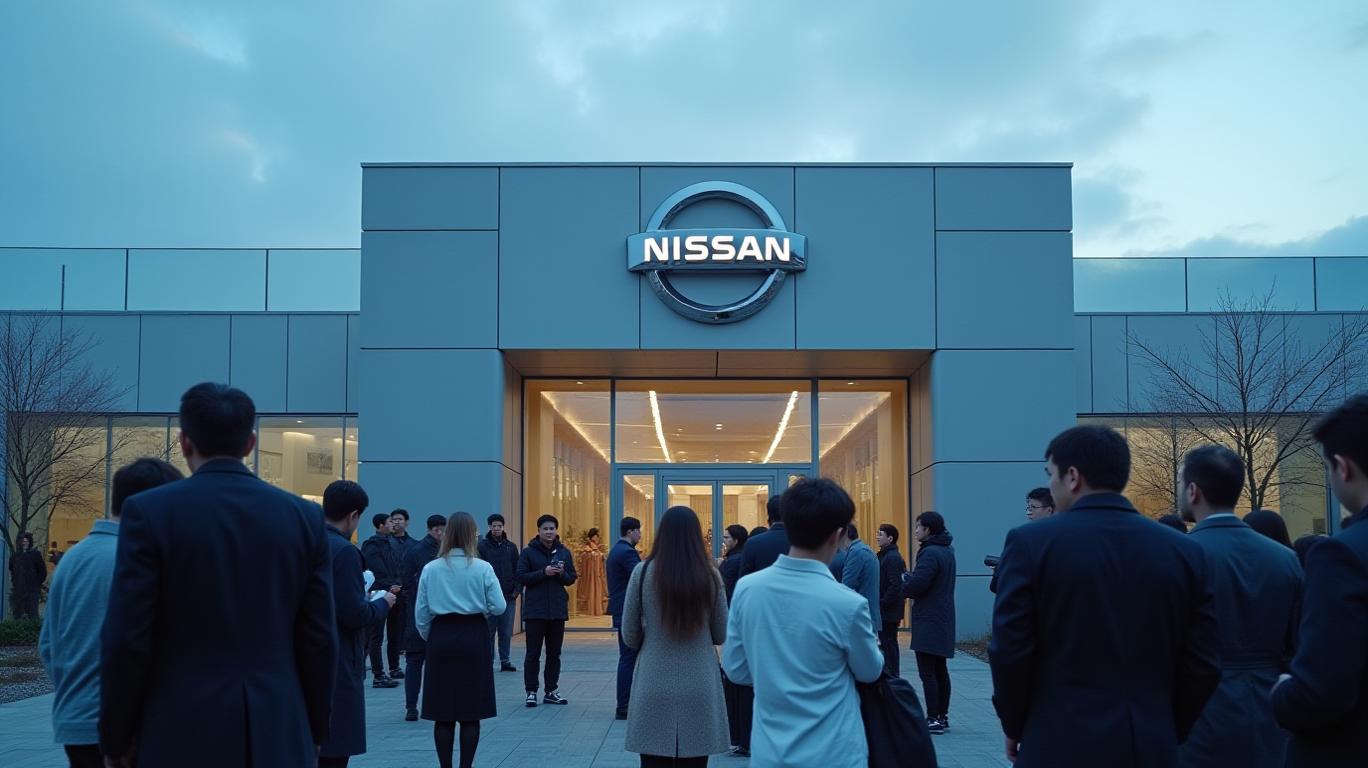
The reshuffle is expected to include several key appointments:
1. Stephen Ma to lead China operations: Stephen Ma, the current CFO, will take over as the Chairperson of the Management Committee for China. This appointment signals Nissan's commitment to strengthening its presence in the competitive Chinese market by streamlining local operations and developing future strategies that respond quickly to market demands.
2. Jérémie Papin steps into the CFO role: Jérémie Papin, the current Chairperson of the Management Committee for the Americas, will become the new CFO. With his extensive experience in investment banking and leadership roles within Nissan, he is expected to bring a fresh perspective to the company's financial strategy, focusing on securing sustainable profits and future growth.
3. Christian Meunier returns to lead Nissan Americas operations: Christian Meunier, a marketing expert with a strong track record at Nissan and StellantisSTLA--, will become the Chairperson for Nissan Americas. His return is expected to bring valuable insights and leadership to the region, helping Nissan navigate the competitive automotive landscape in the Americas.
4. Shohei Yamazaki replaces Asako Hoshino in Japan and ASEAN leadership: Shohei Yamazaki will succeed Asako Hoshino as the Chairperson of the Management Committee for Japan and ASEAN. This change is expected to bring valuable insights from Yamazaki's experience in China's competitive market, helping Nissan respond effectively to local challenges in these regions.
These changes reflect Nissan's deliberate plan to address inefficiencies and set a course for long-term success. By placing leaders with proven track records into strategic roles, Nissan aims to create a leaner management structure capable of navigating rapid shifts in the automotive industry. These changes also highlight Nissan's renewed priority on key regions like China, North America, and Japan, with strategies designed to improve efficiency, potentially leading to new vehicles, better customer experiences, and more competitive pricing as the company refines its operations.
However, there are also potential challenges that might arise from this alignment:
1. Disruption during transition: Any significant organizational change can lead to temporary disruption as new leaders settle into their roles and implement their strategies. This could potentially impact Nissan's operations and performance in the short term.
2. Cultural integration: As some executives come from outside Nissan, there may be challenges in integrating their approaches and ideas with the company's existing culture. Effective communication and collaboration will be crucial to overcome this potential hurdle.
In conclusion, Nissan's executive shakeup is a significant step in the company's ongoing restructuring efforts. By strengthening key regions, bringing relevant experience, and improving efficiency, Nissan is positioning itself to better compete in the global automotive market. However, the company must also address potential challenges, such as disruption during the transition and cultural integration, to ensure a successful restructuring. As Nissan continues to execute its restructuring plan, dubbed 'The Arc', the goal is to create a leaner management structure capable of navigating rapid shifts in the automotive industry.
Nissan is set to announce a significant streamlining of its executive line-up on March 12, according to sources close to the matter. This move comes as part of the company's ongoing restructuring efforts, aimed at improving efficiency and resilience in the face of rapid shifts in the automotive industry. Let's dive into the expected changes and their potential impact on Nissan's global operations.
The reshuffle is expected to include several key appointments:
1. Stephen Ma to lead China operations: Stephen Ma, the current CFO, will take over as the Chairperson of the Management Committee for China. This appointment signals Nissan's commitment to strengthening its presence in the competitive Chinese market by streamlining local operations and developing future strategies that respond quickly to market demands.
2. Jérémie Papin steps into the CFO role: Jérémie Papin, the current Chairperson of the Management Committee for the Americas, will become the new CFO. With his extensive experience in investment banking and leadership roles within Nissan, he is expected to bring a fresh perspective to the company's financial strategy, focusing on securing sustainable profits and future growth.
3. Christian Meunier returns to lead Nissan Americas operations: Christian Meunier, a marketing expert with a strong track record at Nissan and StellantisSTLA--, will become the Chairperson for Nissan Americas. His return is expected to bring valuable insights and leadership to the region, helping Nissan navigate the competitive automotive landscape in the Americas.
4. Shohei Yamazaki replaces Asako Hoshino in Japan and ASEAN leadership: Shohei Yamazaki will succeed Asako Hoshino as the Chairperson of the Management Committee for Japan and ASEAN. This change is expected to bring valuable insights from Yamazaki's experience in China's competitive market, helping Nissan respond effectively to local challenges in these regions.
These changes reflect Nissan's deliberate plan to address inefficiencies and set a course for long-term success. By placing leaders with proven track records into strategic roles, Nissan aims to create a leaner management structure capable of navigating rapid shifts in the automotive industry. These changes also highlight Nissan's renewed priority on key regions like China, North America, and Japan, with strategies designed to improve efficiency, potentially leading to new vehicles, better customer experiences, and more competitive pricing as the company refines its operations.
However, there are also potential challenges that might arise from this alignment:
1. Disruption during transition: Any significant organizational change can lead to temporary disruption as new leaders settle into their roles and implement their strategies. This could potentially impact Nissan's operations and performance in the short term.
2. Cultural integration: As some executives come from outside Nissan, there may be challenges in integrating their approaches and ideas with the company's existing culture. Effective communication and collaboration will be crucial to overcome this potential hurdle.
In conclusion, Nissan's executive shakeup is a significant step in the company's ongoing restructuring efforts. By strengthening key regions, bringing relevant experience, and improving efficiency, Nissan is positioning itself to better compete in the global automotive market. However, the company must also address potential challenges, such as disruption during the transition and cultural integration, to ensure a successful restructuring. As Nissan continues to execute its restructuring plan, dubbed 'The Arc', the goal is to create a leaner management structure capable of navigating rapid shifts in the automotive industry.

Divulgación editorial y transparencia de la IA: Ainvest News utiliza tecnología avanzada de Modelos de Lenguaje Largo (LLM) para sintetizar y analizar datos de mercado en tiempo real. Para garantizar los más altos estándares de integridad, cada artículo se somete a un riguroso proceso de verificación con participación humana.
Mientras la IA asiste en el procesamiento de datos y la redacción inicial, un miembro editorial profesional de Ainvest revisa, verifica y aprueba de forma independiente todo el contenido para garantizar su precisión y cumplimiento con los estándares editoriales de Ainvest Fintech Inc. Esta supervisión humana está diseñada para mitigar las alucinaciones de la IA y garantizar el contexto financiero.
Advertencia sobre inversiones: Este contenido se proporciona únicamente con fines informativos y no constituye asesoramiento profesional de inversión, legal o financiero. Los mercados conllevan riesgos inherentes. Se recomienda a los usuarios que realicen una investigación independiente o consulten a un asesor financiero certificado antes de tomar cualquier decisión. Ainvest Fintech Inc. se exime de toda responsabilidad por las acciones tomadas con base en esta información. ¿Encontró un error? Reportar un problema




Comentarios
Aún no hay comentarios