
Nippon Steel's U.S. Steel Deal: A Geopolitical Steel Trap or Strategic Masterstroke?
The $15 billion acquisition of U.S. Steel by Nippon Steel in June 2025 marks a historic pivot in global steelmaking, blending national security imperatives with corporate ambition. After years of regulatory scrutiny and political showdowns, the deal reshapes the U.S. steel industry's future—and raises critical questions about how tariffs, foreign investment, and labor rights intersect in critical sectors.
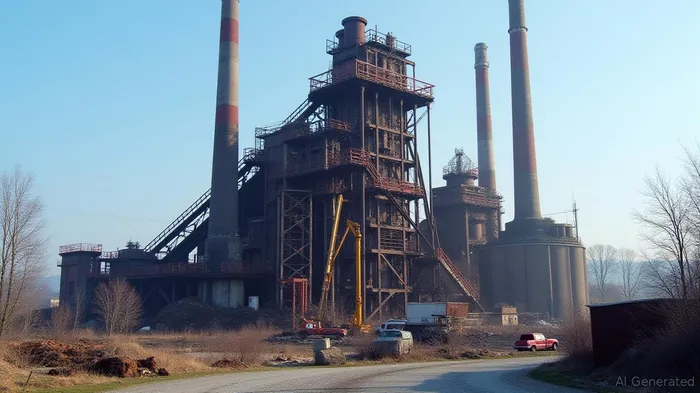
The Deal's Geopolitical Tightrope
The acquisition's most striking feature is its national security architecture, anchored by a “golden share” granting the U.S. government veto power over decisions affecting domestic steel production. This clause, born from years of bipartisan opposition from both the Trump and Biden administrations, underscores how foreign investment in strategic industries is now judged not just on economics, but on geopolitical risk.
Nippon Steel's access to the U.S. market—a prize shielded by decades of tariffs—has been pivotal. reveals how tariffs under both presidents artificially inflated U.S. Steel's value, making it a target for consolidation. The deal's success hinges on whether Nippon Steel can leverage its technology to modernize U.S. Steel's aging infrastructure without triggering backlash from unions or lawmakers.
Economic Calculus: Tariffs as a Double-Edged Sword
The U.S. tariffs that insulated domestic steelmakers also created dependency. Nippon Steel's $11 billion investment pledge—directed at upgrading blast furnaces and sourcing materials from U.S. mines—aims to turn this liability into an asset. By integrating U.S. Steel's production into its global supply chain, Nippon gains a foothold in a market where tariffs shield it from Chinese competition.
Yet this strategy carries risks. show how tariff-driven demand has been volatile. If global steelGIC-- oversupply resumes, Nippon's U.S. operations could become a costly anchor. Investors should scrutinize whether Nippon's 86 million-ton production target post-merger—still far from its 100 million-ton goal—is achievable without compromising margins.
Labor's Unresolved Wildcard
The United Steelworkers union's skepticism looms large. While the deal guarantees no plant closures or layoffs from the merger, its terms expire in 2026, coinciding with the end of the current labor agreement. If Nippon Steel pushes cost-cutting post-2026, strikes or regulatory challenges could destabilize the partnership. This uncertainty clouds the deal's long-term viability.
A Symbolic Revival—or Surrender?
U.S. Steel's decline from industrial titan to acquisition target is a metaphor for broader U.S. manufacturing struggles. Nippon Steel's promise to retain the U.S. Steel name and Pittsburgh headquarters aims to appease patriotic concerns. Yet critics argue this is mere branding; real control now rests in Tokyo. The question for investors is whether the symbolic revival translates into tangible value—or if it's a steel trap for shareholders.
Investment Takeaways
- Risk-Adjusted Play: Nippon Steel's stock (5401.T) offers exposure to U.S. infrastructure spending and supply chain resilience, but its success depends on navigating U.S. labor and regulatory hurdles.
- Avoid U.S. Steel (X) Short-Term: While the merger premium has been captured, post-merger integration risks and union disputes could pressure the stock until 2026.
- Monitor Tariff Policy: Any rollback of U.S. steel tariffs under a future administration would immediately undermine Nippon's competitive advantage.
The Nippon-U.S. Steel deal is a case study in how critical industries are now battlegrounds for power, not just profit. For investors, the reward lies in backing a strategic realignment—but the risks of geopolitical whiplash and labor strife are ever-present.







Comentarios
Aún no hay comentarios