
Nippon Steel's U.S. Steel Bid: A National Security Gamble
Generado por agente de IAWesley Park
martes, 25 de febrero de 2025, 1:47 am ET2 min de lectura
Nippon Steel's bid to acquire U.S. Steel has sparked a heated debate in Washington, with the U.S. Commerce Department raising national security concerns and President Biden blocking the deal. As the Japanese steelmaker begins talks with the U.S. Commerce Department, investors and stakeholders are left wondering: can this deal be salvaged, and what does it mean for the future of the American steel industry?
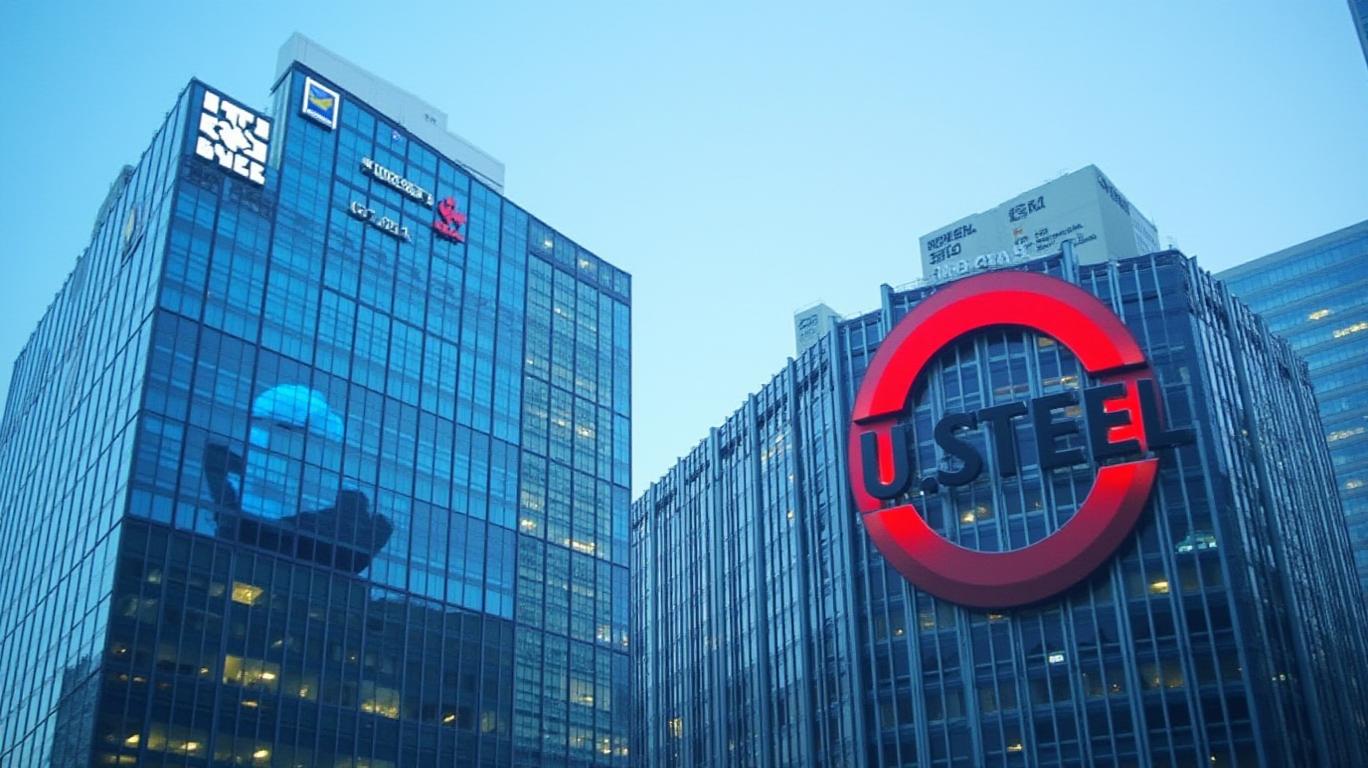
The U.S. Commerce Department has raised specific national security concerns regarding Nippon Steel's acquisition of U.S. Steel, primarily focusing on the potential impact on domestic steel production and the ability to secure trade remedies. These concerns can be addressed or mitigated through several measures, including maintaining domestic steel production, ensuring aggressive pursuit of trade remedies, and addressing labor concerns.
Nippon Steel has pledged to invest nearly $3 billion in U.S. Steel facilities, which could help modernize and revitalize its operations, thereby maintaining or even increasing domestic steel production. Additionally, both U.S. Steel and Wheeling Nippon have joined a recent petition seeking trade remedies against 10 countries, demonstrating their commitment to protecting the American steel industry. To address labor concerns, Nippon Steel has committed to maintaining U.S. Steel's name and Pittsburgh headquarters, preserving union jobs, and honoring existing labor agreements.
The proposed acquisition presents both potential benefits and drawbacks for the U.S. in terms of maintaining a strong domestic steel industry, as well as for American workers and consumers. On one hand, the deal could strengthen the U.S. steel industry by combining Nippon Steel's technological prowess with U.S. Steel's established presence in the American market, creating one of the world's largest steel conglomerates. On the other hand, the Committee on Foreign Investment in the United States (CFIUS) has raised national security concerns, arguing that the deal could harm American steel production and decrease the likelihood that U.S. Steel would continue to aggressively seek trade remedies.
The role of labor unions, such as the United Steelworkers (USW), in shaping the political and economic landscape surrounding this acquisition cannot be understated. The USW's opposition has influenced the political landscape by gaining the support of prominent politicians, including President Biden and former President Trump. Both leaders have pledged to keep U.S. Steel an American-owned company, reflecting the union's stance on the issue. This political support has put pressure on the U.S. Commerce Department and other relevant agencies to consider the union's concerns during the talks with Nippon Steel.
The USW's concerns about job security and labor agreements have also influenced the economic landscape. The union has argued that the acquisition could violate their collective bargaining agreement with U.S. Steel and potentially jeopardize American jobs. This has raised questions about the economic impact of the deal and the potential consequences for the American steel industry and its workers.
In conclusion, the proposed acquisition of U.S. Steel by Nippon Steel presents both potential benefits and drawbacks for the U.S. in terms of maintaining a strong domestic steel industry, as well as for American workers and consumers. As Nippon Steel begins talks with the U.S. Commerce Department, it remains to be seen whether the deal can be salvaged and what the future holds for the American steel industry. Investors and stakeholders should closely monitor the developments and consider the potential implications for their portfolios.



Divulgación editorial y transparencia de la IA: Ainvest News utiliza tecnología avanzada de Modelos de Lenguaje Largo (LLM) para sintetizar y analizar datos de mercado en tiempo real. Para garantizar los más altos estándares de integridad, cada artículo se somete a un riguroso proceso de verificación con participación humana.
Mientras la IA asiste en el procesamiento de datos y la redacción inicial, un miembro editorial profesional de Ainvest revisa, verifica y aprueba de forma independiente todo el contenido para garantizar su precisión y cumplimiento con los estándares editoriales de Ainvest Fintech Inc. Esta supervisión humana está diseñada para mitigar las alucinaciones de la IA y garantizar el contexto financiero.
Advertencia sobre inversiones: Este contenido se proporciona únicamente con fines informativos y no constituye asesoramiento profesional de inversión, legal o financiero. Los mercados conllevan riesgos inherentes. Se recomienda a los usuarios que realicen una investigación independiente o consulten a un asesor financiero certificado antes de tomar cualquier decisión. Ainvest Fintech Inc. se exime de toda responsabilidad por las acciones tomadas con base en esta información. ¿Encontró un error? Reportar un problema


SOBRE NOSOTROS
Nuestra historiaAutores de noticiasBase de conocimientosPolítica de privacidadTérmino de usoDescargo de responsabilidad de corretaje de tercerosTérminos de uso de AIMEDivulgaciones de riesgos de AInvest AICarrerasCONTÁCTENOS
Email: support@ainvest.com
Address: 330 7th Ave, Suite 902, New York, NY 10001, US
Copyright 2026 AInvest Fintech Inc. All rights reserved.


Comentarios
Aún no hay comentarios