
Nike's Supply Chain: Running Out of Time
Generado por agente de IAWesley Park
sábado, 5 de abril de 2025, 5:37 pm ET2 min de lectura
NKE--
Ladies and gentlemen, let me tell you something: NikeNKE-- is in a world of trouble. The sneaker giant has been playing a dangerous game of hide and seek with tariffs, and it's about to get caught. The company's heavy reliance on Vietnam and China for manufacturing is a ticking time bomb, and the recent tariffs are just the fuse.
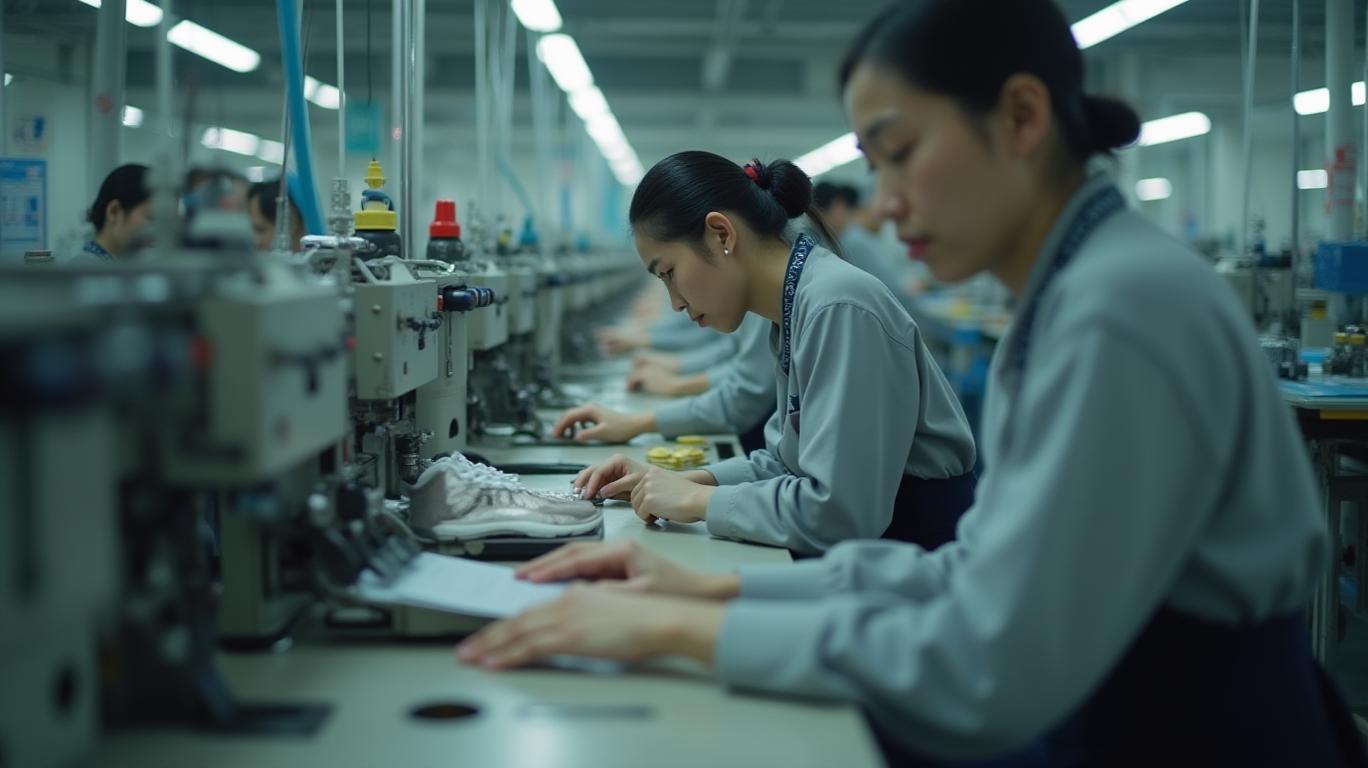
Let's break it down. Vietnam, which accounts for 50% of Nike's footwear and 28% of its apparel, is now facing a 46% tariff. That's right, folks, nearly half of Nike's production is about to get slammed with a massive tax. And China, which accounts for 16% of Nike's apparel and 18% of its footwear, is facing a 54% tariff. That's a whopping 34% on top of the 20% already imposed. This is a nightmare scenario for Nike, and it's only going to get worse.
But here's the thing: Nike isn't the only one in trouble. The auto industry is also feeling the heat. Used car prices are about to spike, and new car prices are going to skyrocket. This is a perfect storm of economic uncertainty, and Nike is right in the middle of it.
So, what can Nike do? Well, it's time for the company to get creative. It needs to diversify its manufacturing base beyond Vietnam and China. Indonesia and Cambodia are two countries that could help Nike reduce its exposure to tariffs. But here's the catch: this will require significant investment in new facilities and infrastructure. It's a risky move, but it's one that Nike needs to make if it wants to survive.
Another option is to invest in domestic manufacturing within the United States. This would not only help Nike avoid tariffs but also align with the Trump administration's focus on bringing manufacturing jobs back to the U.S. However, this strategy could be costly and may not be feasible in the short term due to higher labor costs and the need to invest in new infrastructure.
Nike could also consider negotiating with suppliers to share the cost burden of tariffs. This could involve renegotiating contracts to include clauses that allow for price adjustments in response to changes in tariff policies. Additionally, Nike could explore the possibility of vertical integration, where it owns and operates its own manufacturing facilities. This would give Nike more control over its supply chain and potentially reduce its reliance on third-party suppliers.
But here's the bottom line: Nike needs to act fast. The tariffs are coming, and the company is running out of time. It's time for Nike to get its act together and make some tough decisions. The future of the company depends on it.
So, what do you think? Is Nike going to be able to pull a rabbit out of its hat and save itself from this tariff nightmare? Or is it going to be another casualty of the trade war? Only time will tell, but one thing is for sure: Nike is in for a bumpy ride.
Ladies and gentlemen, let me tell you something: NikeNKE-- is in a world of trouble. The sneaker giant has been playing a dangerous game of hide and seek with tariffs, and it's about to get caught. The company's heavy reliance on Vietnam and China for manufacturing is a ticking time bomb, and the recent tariffs are just the fuse.
Let's break it down. Vietnam, which accounts for 50% of Nike's footwear and 28% of its apparel, is now facing a 46% tariff. That's right, folks, nearly half of Nike's production is about to get slammed with a massive tax. And China, which accounts for 16% of Nike's apparel and 18% of its footwear, is facing a 54% tariff. That's a whopping 34% on top of the 20% already imposed. This is a nightmare scenario for Nike, and it's only going to get worse.
But here's the thing: Nike isn't the only one in trouble. The auto industry is also feeling the heat. Used car prices are about to spike, and new car prices are going to skyrocket. This is a perfect storm of economic uncertainty, and Nike is right in the middle of it.
So, what can Nike do? Well, it's time for the company to get creative. It needs to diversify its manufacturing base beyond Vietnam and China. Indonesia and Cambodia are two countries that could help Nike reduce its exposure to tariffs. But here's the catch: this will require significant investment in new facilities and infrastructure. It's a risky move, but it's one that Nike needs to make if it wants to survive.
Another option is to invest in domestic manufacturing within the United States. This would not only help Nike avoid tariffs but also align with the Trump administration's focus on bringing manufacturing jobs back to the U.S. However, this strategy could be costly and may not be feasible in the short term due to higher labor costs and the need to invest in new infrastructure.
Nike could also consider negotiating with suppliers to share the cost burden of tariffs. This could involve renegotiating contracts to include clauses that allow for price adjustments in response to changes in tariff policies. Additionally, Nike could explore the possibility of vertical integration, where it owns and operates its own manufacturing facilities. This would give Nike more control over its supply chain and potentially reduce its reliance on third-party suppliers.
But here's the bottom line: Nike needs to act fast. The tariffs are coming, and the company is running out of time. It's time for Nike to get its act together and make some tough decisions. The future of the company depends on it.
So, what do you think? Is Nike going to be able to pull a rabbit out of its hat and save itself from this tariff nightmare? Or is it going to be another casualty of the trade war? Only time will tell, but one thing is for sure: Nike is in for a bumpy ride.



Divulgación editorial y transparencia de la IA: Ainvest News utiliza tecnología avanzada de Modelos de Lenguaje Largo (LLM) para sintetizar y analizar datos de mercado en tiempo real. Para garantizar los más altos estándares de integridad, cada artículo se somete a un riguroso proceso de verificación con participación humana.
Mientras la IA asiste en el procesamiento de datos y la redacción inicial, un miembro editorial profesional de Ainvest revisa, verifica y aprueba de forma independiente todo el contenido para garantizar su precisión y cumplimiento con los estándares editoriales de Ainvest Fintech Inc. Esta supervisión humana está diseñada para mitigar las alucinaciones de la IA y garantizar el contexto financiero.
Advertencia sobre inversiones: Este contenido se proporciona únicamente con fines informativos y no constituye asesoramiento profesional de inversión, legal o financiero. Los mercados conllevan riesgos inherentes. Se recomienda a los usuarios que realicen una investigación independiente o consulten a un asesor financiero certificado antes de tomar cualquier decisión. Ainvest Fintech Inc. se exime de toda responsabilidad por las acciones tomadas con base en esta información. ¿Encontró un error? Reportar un problema


SOBRE NOSOTROS
Nuestra historiaAutores de noticiasBase de conocimientosPolítica de privacidadTérmino de usoDescargo de responsabilidad de corretaje de tercerosTérminos de uso de AIMEDivulgaciones de riesgos de AInvest AICarrerasCONTÁCTENOS
Email: support@ainvest.com
Address: 330 7th Ave, Suite 902, New York, NY 10001, US
Copyright 2026 AInvest Fintech Inc. All rights reserved.


Comentarios
Aún no hay comentarios