
Nike's Strategic Pivot: From NFTs to Tangible Innovation in a Shifting Metaverse Market
In the evolving landscape of global commerce, Nike's strategic recalibration from digital experimentation to tangible innovation offers a compelling case study for investors. The company's retreat from NFTs and metaverse projects, epitomized by the closure of its RTFKT subsidiary in 2025, underscores a broader industry reckoning with the limitations of speculative digital assets. This shift, while financially prudent, raises critical questions about long-term brand value, capital reallocation, and Nike's ability to reassert dominance in a competitive sportswear market.
The NFT Experiment: A Bold Bet That Misfired
Nike's foray into Web3 began with the 2021 acquisition of RTFKT, a virtual sneaker and NFT studio, for an estimated $1 billion. The venture was initially hailed as a visionary move to bridge physical and digital fashion, with initiatives like the CloneX NFT collection and CryptoKicks generating $185 million in NFT-related revenue by 2022. However, the post-pandemic collapse of the NFT market, coupled with waning consumer engagement, rendered this strategy unsustainable. By 2025, RTFKT's abrupt shutdown triggered a class-action lawsuit alleging unregistered securities and a "rug pull", with plaintiffs arguing that Nike's marketing created false expectations of profit. This legal fallout, alongside a 30% drop in Converse sales and a 10% decline in overall revenue to $46.3 billion, highlights the financial and reputational risks of overreaching into unproven digital markets.
Capital Reallocation: From Virtual to Tangible
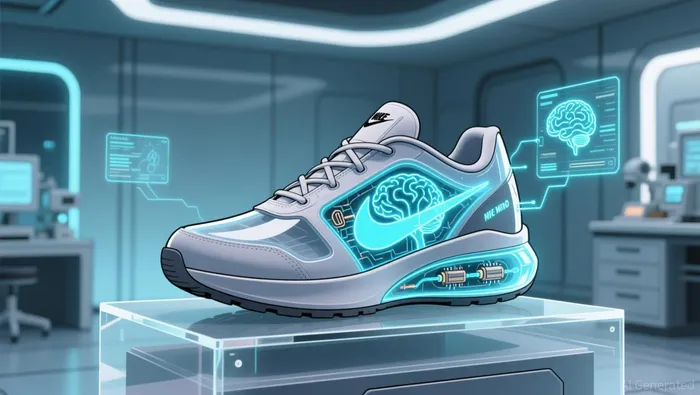
Nike's pivot to tangible innovation is now centered on core performance-driven initiatives. The company has unveiled projects like Nike Mind, a neuroscience-based footwear platform designed to enhance mental preparation and recovery for athletes, and Project Amplify, which integrates powered technology to reduce physical effort during running and walking. These innovations align with a broader industry trend prioritizing functionality over aesthetics, as consumers increasingly demand measurable performance benefits.
Financially, NikeNKE-- has reallocated capital from NFTs to operational improvements and product development. While specific figures on NFT-to-tangible reallocation remain undisclosed, the company's 2025 fiscal report reveals a 12.43% increase in net income from FY2023 to FY2024 and a 32.21% rise in operating income, signaling improved cost management and product mix. Additionally, Nike's $9.2 billion cash reserves and a $18 billion stock buyback program underscore its commitment to strengthening the balance sheet and returning value to shareholders.
Brand Value and Market Response: A Mixed Picture
The closure of RTFKT has had mixed implications for Nike's brand value. On one hand, the lawsuit and NFT collapse have eroded consumer trust, with UBS Evidence Lab surveys noting lingering skepticism about Nike's digital credibility. On the other, the company's renewed focus on physical innovation-such as collaborations with Fortnite and the LeBron James Innovation Center- has begun to rekindle cultural relevance.
Stock performance reflects this duality. While Nike's shares faced volatility in early 2025 due to declining sales and margin pressures, a strategic shift toward price hikes and performance-driven products has sparked renewed investor interest. Notably, Apple CEO Tim Cook's Christmas Eve purchase of 50,000 shares signaled confidence in Nike's long-term prospects. However, the brand's market share in the U.S. remains under pressure, with a 16% revenue drop in Greater China and a 14% decline in Nike Direct sales in Q4 2025.
Strategic Risks and Opportunities
Nike's pivot carries inherent risks. The lawsuit over RTFKT could result in regulatory scrutiny or reputational damage, while the high costs of tangible innovation (e.g., Nike Mind's decade-long R&D investment) may strain margins if consumer adoption lags. Additionally, the company's reliance on traditional retail partnerships, such as Dick's Sporting Goods and Foot Locker, exposes it to supply chain disruptions and inventory overhangs.
Yet, the opportunities are equally significant. By refocusing on performance-driven innovation, Nike is positioning itself to capitalize on the growing demand for functional sportswear and wellness-integrated products. The Sport Offense model, which streamlines cross-brand collaboration and accelerates product development, could enhance agility in a market dominated by rivals like Lululemon and Under Armour. Moreover, Nike's $3.2 billion net income in FY2025, despite a 44% year-over-year decline, suggests resilience in its core business.
Conclusion: A Calculated Rebalancing
Nike's strategic pivot from NFTs to tangible innovation reflects a calculated rebalancing of priorities in a shifting metaverse market. While the closure of RTFKT and associated legal challenges have introduced short-term headwinds, the company's focus on performance-driven products and operational efficiency positions it to rebuild brand value over the long term. For investors, the key will be monitoring the success of initiatives like Nike Mind and the Sport Offense model, as well as Nike's ability to navigate supply chain complexities and consumer sentiment shifts. In a world where digital hype often overshadows tangible value, Nike's return to its athletic roots may yet prove to be its most enduring strength.





Comentarios
Aún no hay comentarios