
Niigata Governor's Kashiwazaki Decision Weighs on Tepco's Nuclear Comeback
Japan's Niigata Prefecture Governor Hideyo Hanazumi has announced he will soon decide on the restart of the Kashiwazaki Kariwa nuclear power plant, a move that could be pivotal for Japan's energy strategy. The governor's decision is the final local approval needed for Tokyo Electric Power Co. (Tepco) to resume operations at the plant, which has been offline since the 2011 Fukushima disaster. Hanazumi stated his intention to make a decision "soon" during a media briefing on Wednesday according to reports.
The governor has yet to confirm a specific date for the announcement but is expected to deliver his decision as early as Friday, according to Kyodo News. His visit to the Fukushima Dai-chi nuclear plant, also operated by Tepco, came ahead of his final decision. Hanazumi said the visit helped him better understand the safety measures in place and will inform his decision.
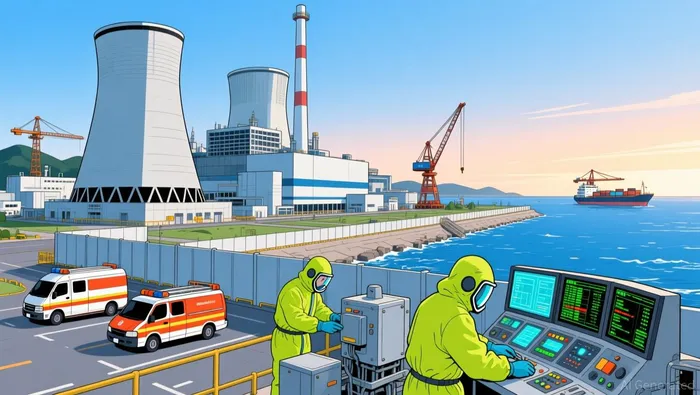
The restart of the Kashiwazaki Kariwa plant would mark a historic moment for Tepco, as it would be the first time the company has operated a nuclear facility since the Fukushima incident. The plant's potential relaunch is also aligned with Japan's broader energy strategy, which seeks to expand nuclear power to reduce fossil fuel imports and support decarbonization goals.
Market Reactions and Political Context
Tepco's shares have been volatile in the lead-up to the potential decision. On the morning of the announcement, shares fell as much as 4.1% before paring the losses. The stock's performance reflects investor uncertainty over the regulatory and safety hurdles that still remain. Meanwhile, the political landscape in Japan continues to evolve with new Prime Minister Sanae Takaichi pushing for a reevaluation of Japan's non-nuclear weapons policy, adding another layer of complexity to the national energy and security discourse.
Takaichi's recent comments on the potential deployment of U.S. nuclear weapons in Japan have sparked debate both domestically and internationally. The prime minister has long advocated for a shift in Japan's traditional stance against hosting nuclear weapons, a move that could signal broader changes in the country's strategic posture according to reports. This shift in policy discussions has implications not only for Japan's energy strategy but also for its defense and foreign relations.
Local Concerns and Safety Assurances
Governor Hanazumi's decision is being closely watched by local communities and environmental groups. During a recent visit to the Kashiwazaki Kariwa facility, the governor noted that safety measures had improved significantly since his last visit in 2018. However, he did not commit to a restart, emphasizing that his decision would be based on what he "saw and sensed" during his inspections according to official statements.
The Kashiwazaki Kariwa plant, the world's largest nuclear facility, was shut down following the Fukushima disaster. Restarting the plant would be a significant step for Tepco and for Japan's energy sector, which has struggled with energy security and rising fuel costs. The plant's No. 6 unit is the primary focus of the restart plan, and its relaunch would provide a much-needed boost to the country's electricity supply according to analysts.
Global Implications and Energy Trends
The potential restart of the Kashiwazaki Kariwa plant is part of a broader global trend toward reevaluating nuclear energy. In the U.S., the Trump administration has committed to a $1 billion loan to restart the Three Mile Island nuclear plant in Pennsylvania, a move that aims to address energy price concerns and support the growth of nuclear power. The administration's plan to expand nuclear capacity is part of a larger initiative to enhance grid reliability and meet the growing demand for electricity, particularly in the data center and AI sectors.
Meanwhile, tensions in East Asia have further complicated the nuclear energy landscape. North Korea has criticized South Korea's nuclear submarine plans, warning of a potential regional arms race. Beijing has also reacted strongly to Japan's statements on Taiwan and its potential nuclear weapons policy changes, with state media accusing Japan of "summoning militarist demons". These geopolitical tensions add an additional layer of uncertainty to the nuclear energy discussions in the region.
Conclusion
Japan's nuclear energy strategy is at a crossroads, with the potential restart of the Kashiwazaki Kariwa plant representing a critical test of public trust, regulatory oversight, and geopolitical stability. As Governor Hanazumi prepares to make his decision, the world will be watching to see whether Japan moves forward with its nuclear revival plan. The outcome will not only shape the country's energy future but also influence global discussions on nuclear power and regional security.







Comentarios
Aún no hay comentarios