
Nigeria's ISWAP Crisis: A Catalyst for Economic Reckoning?
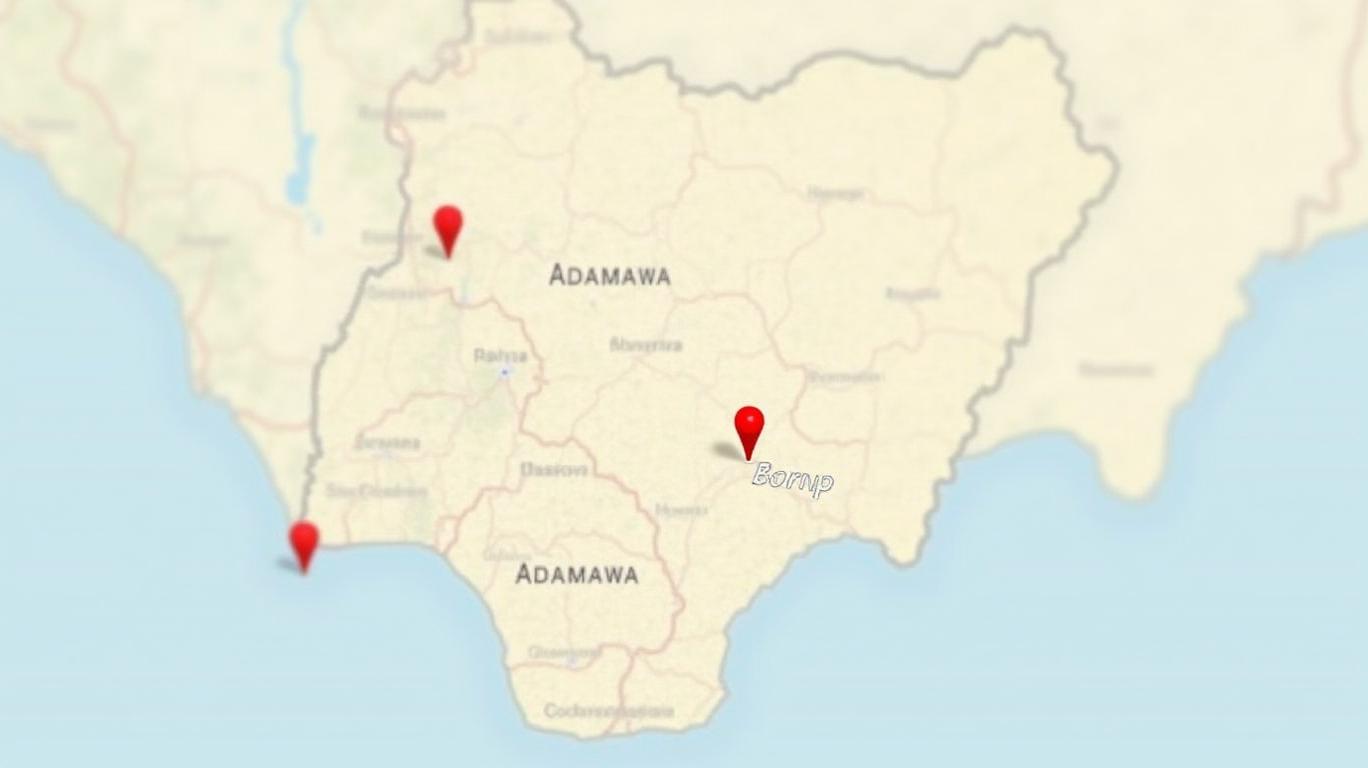
The Islamic State West Africa Province (ISWAP) has escalated its campaign of violence in Nigeria, claiming responsibility for deadly attacks in Borno and Adamawa states in April 2025. These incidents—targeting military bases, Christian communities, and infrastructure—reflect a strategic shift in tactics, including the use of drones for surveillance and coordinated assaults. With over 200 casualties reported in recent clashes and thousands displaced, the attacks underscore a deepening crisis that threatens Nigeria’s economic stability and investment climate.
The group’s operations are not just a security challenge but a systemic risk to Nigeria’s fragile economy. Here’s how the violence intersects with economic fragility, regulatory reforms, and investor sentiment.
The Economic Toll: Inflation, Displacement, and Diverted Resources
Nigeria’s economy is already buckling under high inflation, currency volatility, and weak governance. The latest data shows consumer inflation at 22.04% (February 2025), with food prices soaring due to supply chain disruptions and insecurity. ISWAP’s attacks exacerbate these pressures by destabilizing key sectors:
- Agriculture: The group’s control over Lake Chad’s fishing and livestock trade routes disrupts food production, pushing up prices and deepening food insecurity.
- Energy: Militants target infrastructure, while the government’s diversion of funds to military spending—up 40% in 2025—crowds out investment in renewable energy projects.
- Cryptocurrency: ISWAP leverages Nigeria’s booming crypto market ($1.6 billion projected in 2025) to launder funds. Monero, a privacy-focused cryptocurrency, is a preferred tool due to its untraceable transactions.
Security and the Investment Dilemma
ISWAP’s tactics are evolving, with drone strikes marking a new phase of aggression. The April 2025 assault on the Nigerian army barracks in Yamtage town—a strategic node in the Timbuktu Triangle—highlighted the group’s capacity to disrupt military operations. This escalation raises questions about Nigeria’s ability to secure critical regions, deterring investors in sectors like mining, agriculture, and infrastructure.
Foreign investors are particularly wary. Over 1.3 million people have been displaced in Nigeria’s northwest and northcentral regions due to violence, while the Northeast faces renewed instability after years of conflict. The humanitarian crisis strains public resources, diverting funds from development projects to emergency aid.
Regulatory Reforms: A Silver Lining?
The Nigerian government has introduced the Investments and Securities Act (ISA) 2025, a regulatory overhaul aimed at modernizing the capital market. Key provisions include:
- Recognizing digital assets as securities, subjecting crypto transactions to oversight by the SEC.
- Streamlining processes for state governments to issue bonds, boosting access to long-term capital.
- Cracking down on Ponzi schemes, which cost ₦18 billion in 2022.
The ISA seeks to attract retail investors—particularly Nigeria’s crypto-savvy youth—while curbing illicit flows. However, its success hinges on enforcement. The central bank’s 2021–2024 crypto ban-and-lift flip-flop eroded trust, and ISWAP’s continued use of untraceable currencies complicates compliance.
Conclusion: A High-Reward, High-Risk Gamble
Nigeria’s investment landscape in 2025 is a study in contrasts. On one hand, the ISA 2025 and a $1.6 billion crypto market offer opportunities for innovation. On the other, ISWAP’s violence, inflation, and governance failures create existential risks.
The data tells the story:
- 22% inflation and 40% defense budget hikes divert capital from growth.
- Over 1.3 million displaced people highlight the human toll of instability.
- $18 billion lost to fraud underscores systemic vulnerabilities.
For investors, the calculus is stark. Sectors like tech (crypto infrastructure) or energy (renewables) may offer returns, but only if the government can stabilize security, enforce regulations, and rebuild public trust. Until then, Nigeria remains a high-risk frontier market—a gamble for the bold, but a cautionary tale for the prudent.
In the end, Nigeria’s fate hinges on whether it can convert regulatory ambition into tangible stability—or remain a cautionary example of how terrorism and poor governance can derail an economy. The clock is ticking.







Comentarios
Aún no hay comentarios