
Nigeria's Farmer-Herder Conflict: A Looming Crisis for Investors and a Call for Strategic Resilience
The suspected killing of at least 17 people by armed herders in Nigeria underscores a deepening crisis that extends far beyond isolated incidents of violence. Rooted in environmental pressures, systemic governance failures, and economic imbalances, this conflict is reshaping Nigeria’s investment landscape, creating both risks and opportunities for discerning investors.
The farmer-herder violence, driven by climate-induced migration, land disputes, and organized criminal networks, has displaced over 2.2 million people since 2019, with over 300,000 sheltering in makeshift camps in Benue State alone. This displacement has crippled agricultural productivity in Nigeria’s Middle Belt, the country’s primary food-producing region. 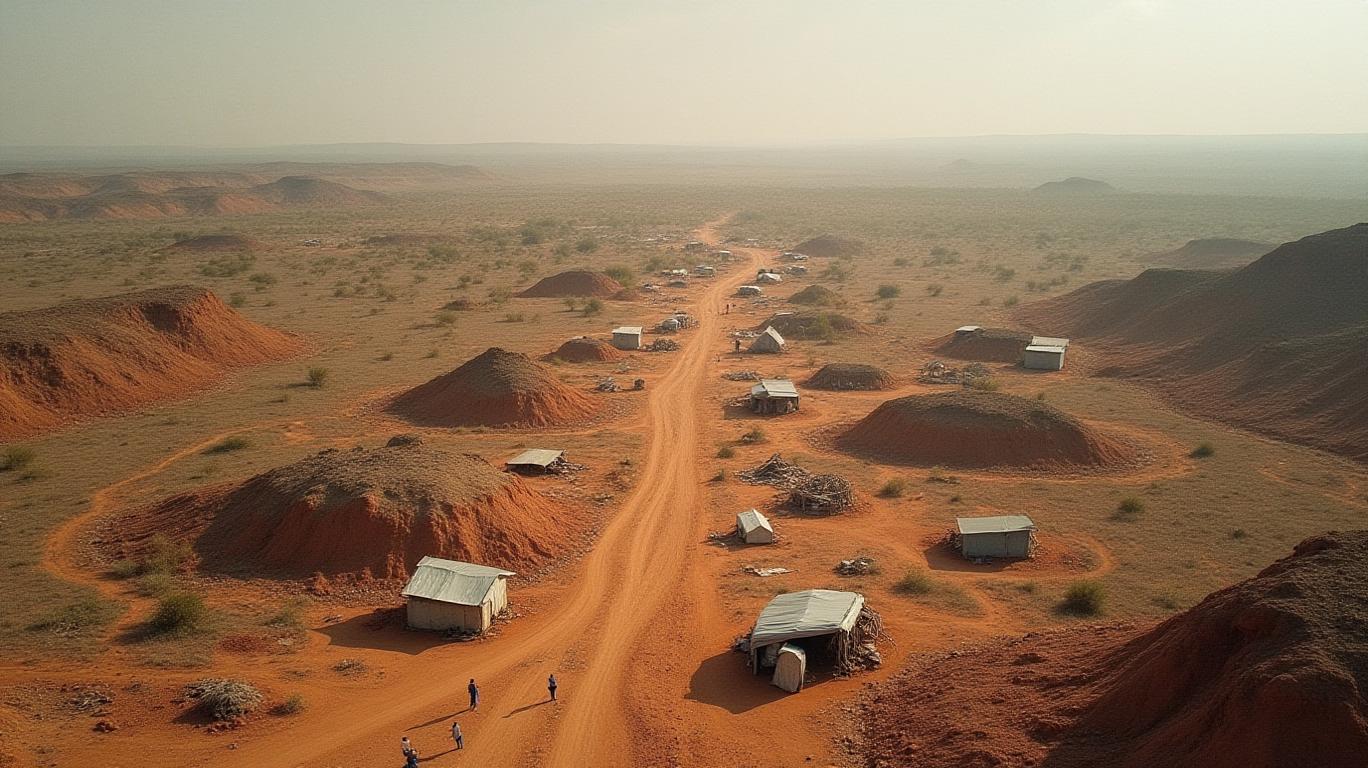 . The consequences are stark: food inflation hit a record 40.9% in June 2024, with staples like beans soaring 282% and local rice 153% compared to 2023 levels.
The Economic Toll: AgricultureANSC-- in Freefall, Services Rise
The agricultural sector’s contribution to Nigeria’s GDP has plummeted to 25.59% (Q4 2024), down from historical averages of over 30%. Meanwhile, the services sector—telecommunications, finance, and trade—now accounts for 57.38% of GDP, signaling a structural shift. . This divergence reflects not just sectoral reallocation but a crisis-driven decline in agricultural output. Floods in 2024 destroyed 1.6 million hectares of farmland, exacerbating cereal losses of 1.1 million tonnes—enough to feed 13 million annually.
For investors, the agriculture sector’s vulnerability is clear. However, opportunities exist in climate-resilient farming technologies, irrigation systems, and storage infrastructure. Companies like Arise City (a logistics hub developer) or Farmcrowdy (an agri-tech platform) could benefit from demand for solutions to post-harvest losses and supply chain disruptions.
Security Risks and Geopolitical Stakes
The violence has spilled into states like Edo and Ondo, raising fears of a nationwide security collapse. Over 33.1 million Nigerians face acute food insecurity in 2025, with 1.8 million children at risk of severe malnutrition. The UN warns that without intervention, food scarcity could spiral into a “catastrophic disaster,” with economic spillovers likely to destabilize regional markets.
. The data shows a direct correlation: rising violence corresponds to sharp inflation spikes. Investors in consumer goods, logistics, or energy must factor in these risks, as disruptions to transport routes and labor markets could amplify operational costs.
Climate Change as an Amplifier
Nigeria’s crisis is inextricable from climate pressures. Rising temperatures and erratic rainfall have forced nomadic herders southward, clashing with farming communities. The $1 billion economic loss from 2024 floods highlights the need for climate adaptation investments. Sectors like renewable energy (solar, wind) or insurance products for weather-related risks could attract capital, particularly from ESG-focused funds.
Government Failures and Policy Gaps
Nigeria’s response has been inconsistent. While the National Livestock Transformation Plan aims to modernize herding, its implementation is hamstrung by political resistance and funding gaps. Anti-grazing laws, such as Benue State’s, have backfired, sparking retaliatory violence. The absence of a coherent strategy leaves investors wary of long-term stability.
Strategic Investment Opportunities Amid the Crisis
- Technology-Driven Agriculture:
- Agri-tech startups like iFarm Nigeria or Agrimmo are digitizing farming, reducing post-harvest losses, and improving access to markets.
Climate-smart infrastructure: Solar-powered irrigation systems and cold storage facilities could mitigate supply chain vulnerabilities.
Security and Defense Sectors:
Private security firms and tech companies offering surveillance solutions (e.g., drone-based monitoring) may see demand rise as communities seek self-defense mechanisms.
Services and Telecoms:
Nigeria’s services sector remains resilient. Investors in telecom giants like MTN Group (MTN.JSE) or fintech firms like Flutterwave (FLW) benefit from a growing digital economy.
Policy-Driven Reforms:
- Long-term opportunities lie in sectors that could thrive under reforms: land tenure systems, cross-border trade corridors, and renewable energy projects.
Conclusion: A Fragile Balance Requires Prudent Stewardship
Nigeria’s farmer-herder crisis is a multifaceted threat to economic stability, with inflation, displacement, and security risks creating a high-risk environment for investors. Yet, opportunities exist in sectors that address root causes—climate adaptation, tech-driven agriculture, and resilient infrastructure.
The 33.1 million people facing food insecurity and the 40.9% food inflation are stark reminders of the stakes. Investors must balance short-term caution with long-term strategies that align with Nigeria’s structural shifts. Without urgent governance reforms, however, even the most promising sectors risk collateral damage from a worsening humanitarian crisis.
The path forward demands a dual approach: capitalizing on resilient sectors while advocating for policies that stabilize agriculture and improve security. In Nigeria’s case, resilience is not just an investment strategy—it is a necessity.
The data paints a clear picture: economic recovery hinges on resolving the farmer-herder conflict. For investors, the choice is between fleeting gains in volatile sectors or strategic bets on solutions that address Nigeria’s deepest vulnerabilities.







Comentarios
Aún no hay comentarios