
NFT Market Resurgence: A Strategic Entry Point in 2026
The NFT market, once mired in speculative hype, is showing signs of a robust resurgence in 2026. A 10% weekly rebound in trading activity underscores a shift from volatility to value creation, driven by blockchain-based utility in gaming and collectibles. As institutional adoption accelerates and regulatory frameworks mature, 2026 presents a compelling inflection point for investors seeking exposure to this evolving ecosystem.
Gaming: The Cornerstone of NFT Utility
Blockchain gaming has emerged as the primary catalyst for NFT adoption, with revenue reaching $21.6 billion in 2025 and projected to grow at a compound annual growth rate (CAGR) of 25.14% to $45.88 billion by 2034. Titles like Axie Infinity, The Sandbox, and Illuvium have redefined digital ownership, enabling players to earn, trade, and own in-game assets with real-world value. These platforms have established sustainable economies where NFTs serve as verifiable, scarce assets, blending entertainment with economic participation.
The evolution of NFTs in gaming is further supported by infrastructure advancements. Major projects are launching dedicated blockchain networks to reduce transaction costs and improve scalability. For instance, Axie Infinity's transition to a custom blockchain, RoninRON--, has slashed fees and enhanced user experience, contributing to its 2 million daily active users. Such innovations are critical to mainstream adoption, as they address prior criticisms of high costs and environmental impact.
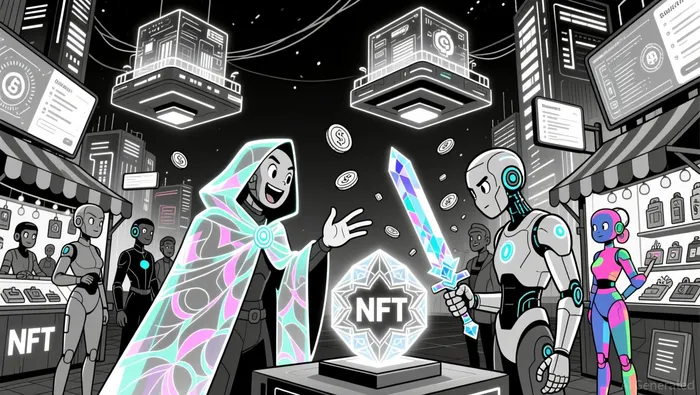
Collectibles: Beyond Speculation to Tangible Value
NFT collectibles are also transitioning from speculative tokens to assets with real-world utility. Brands like Nike and Starbucks have leveraged NFTs to create loyalty programs and exclusive experiences, deepening customer engagement. In fashion, Gucci and Dolce & Gabbana have sold virtual NFT clothing on platforms like RobloxRBLX--, bridging digital and physical brand identity. Meanwhile, luxury goods are adopting NFTs for authentication, as seen with Château Angélus's NFT offering, which grants ownership of a barrel of wine alongside digital art.
The market's focus on quality and provenance is evident in the 18.5% CAGR projected for utility NFTs, which are expected to reach $6.7 billion by 2033. This growth is fueled by use cases such as NFT-based ticketing, which reduces fraud and ensures transparency, and real-world asset tokenization, which provides liquidity to traditionally illiquid markets like real estate and art.
Blockchain Infrastructure and Regulatory Clarity
The resurgence of the NFT market is underpinned by technological and regulatory progress. Layer-2 scaling solutions and interoperable assets have reduced transaction costs, making NFTs accessible to a broader audience. Financial institutions are also leveraging blockchain to streamline operations, with platforms like komgo reducing letter-of-credit processing times by 99.58%.
Regulatory clarity has further bolstered confidence. The implementation of Europe's MiCA and the U.S. GENIUS Act has established frameworks for stablecoins and digital asset compliance. These measures, coupled with institutional adoption-evidenced by $115 billion in combined assets under management for BitcoinBTC-- and EthereumETH-- ETFs by late 2025, signal a maturing market.
Strategic Entry Point for 2026
For investors, 2026 offers a strategic entry point into a market transitioning from hype to utility. The convergence of blockchain infrastructure, regulatory clarity, and real-world applications is creating durable value. Gaming and collectibles, in particular, are poised to benefit from continued innovation and institutional capital inflows.
However, challenges remain. Market volatility and low-quality projects persist, necessitating due diligence. Yet, as the NFT ecosystem aligns with tangible use cases-from play-to-earn models to asset tokenization-the potential for long-term growth is undeniable.
In conclusion, the NFT market's resurgence in 2026 is not a return to speculative fervor but a recalibration toward utility and sustainability. For investors willing to navigate the evolving landscape, the rewards are substantial-and the time to act is now.







Comentarios
Aún no hay comentarios