
NFL, MLB Back Bill to Ban Drones: Implications for the Tech Industry
Generado por agente de IAHarrison Brooks
lunes, 24 de febrero de 2025, 6:35 pm ET2 min de lectura
The sports world is abuzz with news of a bipartisan bill introduced in Congress, the Disabling Enemy Flight Entry and Neutralizing Suspect Equipment (DEFENSE) Act, which aims to enhance security at major outdoor gatherings and sporting events by giving state and local law enforcement the authority to disable drones. Sponsored by Senators Tom Cotton (R-Arkansas) and Jacky Rosen (D-Nevada), the bill has garnered support from prominent sports leagues, including the NFL, MLB, NASCAR, and the NCAA. As the debate around drone regulations intensifies, it is crucial to examine the potential implications of this bill for the technology industry.
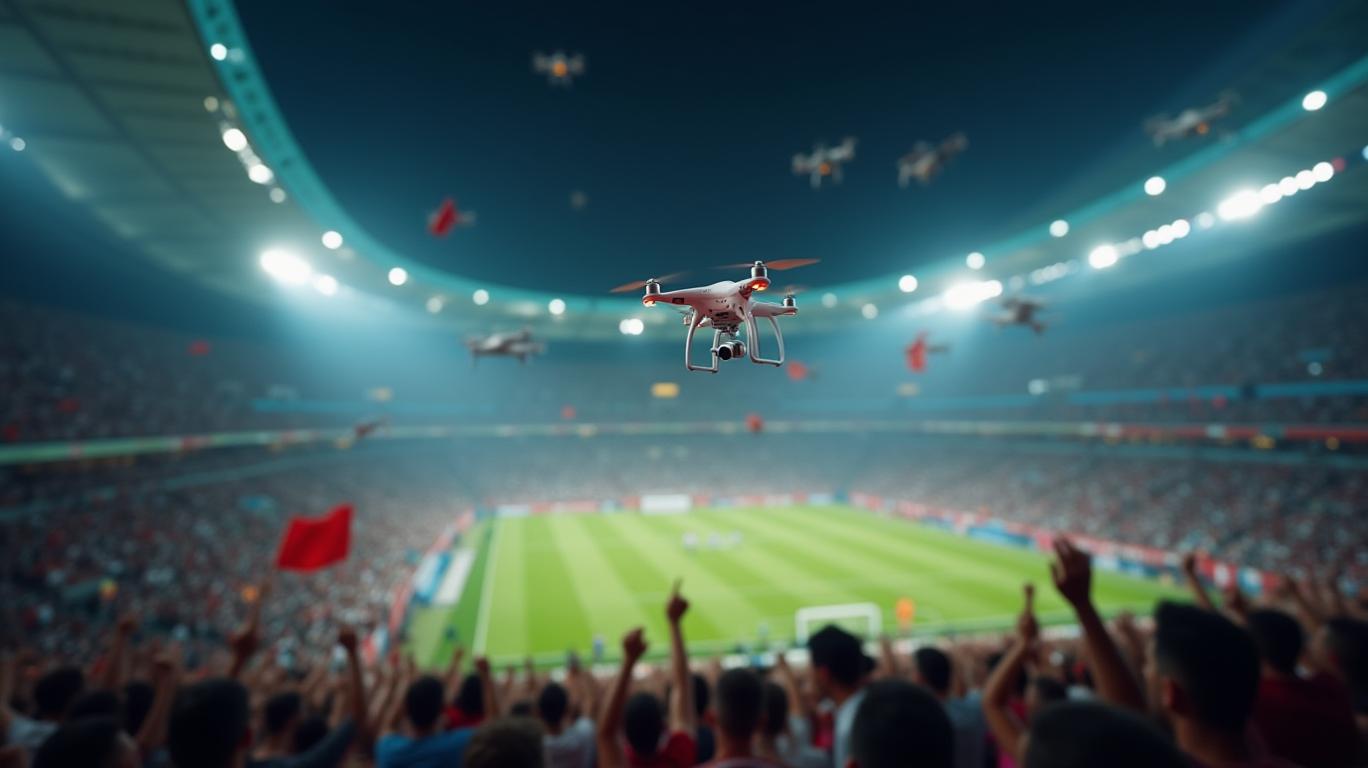
Growing Threat of Drones at Sporting Events
The increasing prevalence of drones at sporting events has raised concerns about public safety and national security. In the 2023 NFL season alone, there were more than 2,800 drone incursions into restricted airspace around stadiums. These incidents have led to temporary suspensions of games and even criminal charges against drone operators. The bill seeks to address this growing threat by empowering local law enforcement to mitigate drone threats in real-time.
Impact on Drone Manufacturers and Service Providers
The bill, if enacted, could have significant economic implications for drone manufacturers and service providers. While it aims to enhance security at major sporting events, it may also limit the use of drones in certain contexts, which could impact the drone industry's growth and revenue.
Firstly, the bill would apply to sporting events that already have temporary flight restrictions, including stadiums and ballparks with more than 30,000 people and outdoor gatherings with more than 100,000 people. This would include all NFL, MLB, NCAA Division I football games, NASCAR, IndyCar, and Champ Series races. These events are significant in terms of attendance and economic impact, with the NFL alone attracting over 18 million fans to games each season (NFL, 2021). The restriction on drone use at these events could potentially limit the opportunities for drone manufacturers and service providers to showcase their products and services, which could impact their revenue.
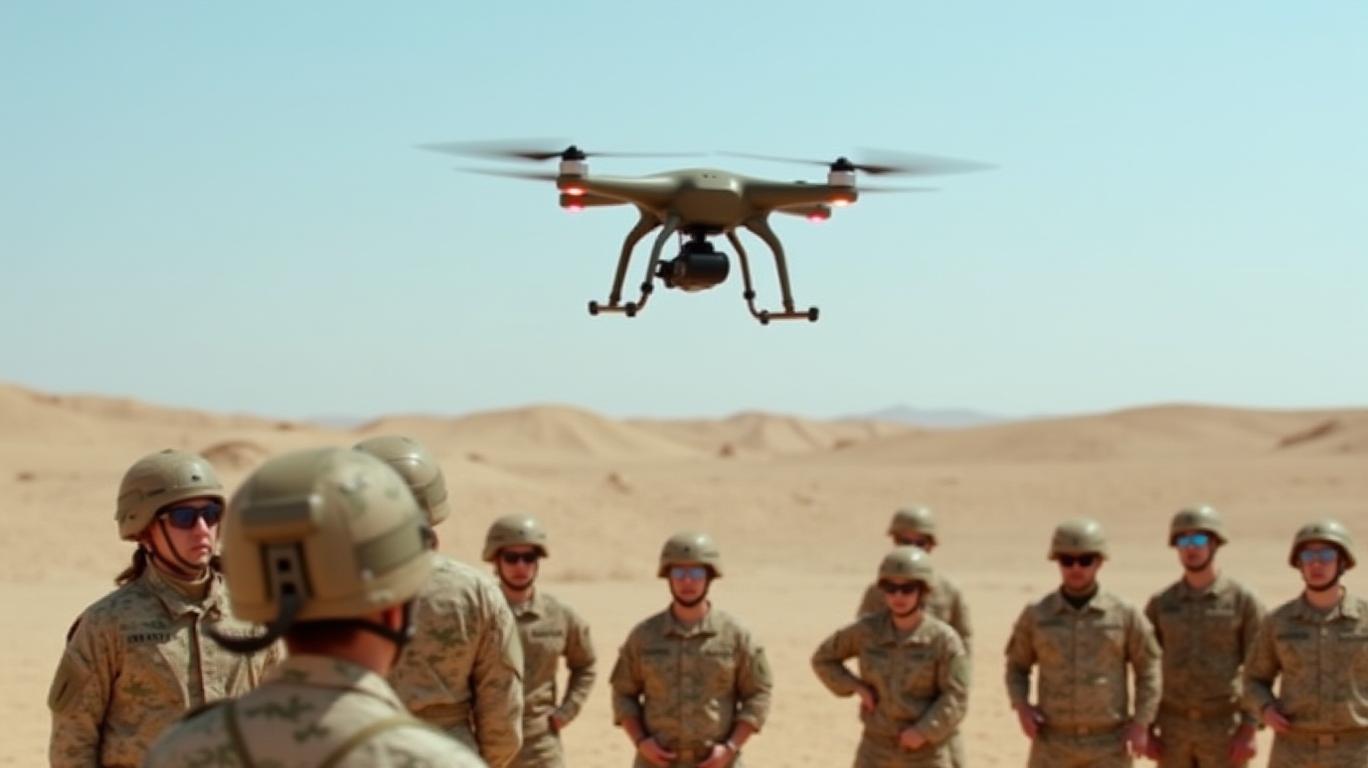
Secondly, the bill would require eligible law enforcement officers to complete counter-drone training and mandate federal agencies to create a list of approved drone mitigation technology. This could create new opportunities for drone manufacturers and service providers to develop and sell counter-drone technology, as well as provide training services to law enforcement agencies. However, the demand for these services may be limited to specific contexts, such as major sporting events, and may not be sufficient to offset the potential losses in revenue from restricted drone use.
Counter-Drone Technology: A New Opportunity
The bill would significantly influence the development and adoption of counter-drone technologies, creating new opportunities for companies specializing in these solutions. The increased demand for counter-drone technologies, standardization and certification, investment in R&D, partnerships and collaborations, and expansion into new markets would all contribute to a favorable environment for the growth of counter-drone technology companies.
In conclusion, while the bill may create new opportunities for drone manufacturers and service providers in the counter-drone technology and training sectors, the restrictions on drone use at major sporting events could also limit their growth and revenue. The economic implications for the drone industry would depend on the balance between these new opportunities and the limitations on drone use at major sporting events. As the debate around drone regulations continues to evolve, it is essential for the technology industry to adapt and innovate to stay ahead of the curve.



Divulgación editorial y transparencia de la IA: Ainvest News utiliza tecnología avanzada de Modelos de Lenguaje Largo (LLM) para sintetizar y analizar datos de mercado en tiempo real. Para garantizar los más altos estándares de integridad, cada artículo se somete a un riguroso proceso de verificación con participación humana.
Mientras la IA asiste en el procesamiento de datos y la redacción inicial, un miembro editorial profesional de Ainvest revisa, verifica y aprueba de forma independiente todo el contenido para garantizar su precisión y cumplimiento con los estándares editoriales de Ainvest Fintech Inc. Esta supervisión humana está diseñada para mitigar las alucinaciones de la IA y garantizar el contexto financiero.
Advertencia sobre inversiones: Este contenido se proporciona únicamente con fines informativos y no constituye asesoramiento profesional de inversión, legal o financiero. Los mercados conllevan riesgos inherentes. Se recomienda a los usuarios que realicen una investigación independiente o consulten a un asesor financiero certificado antes de tomar cualquier decisión. Ainvest Fintech Inc. se exime de toda responsabilidad por las acciones tomadas con base en esta información. ¿Encontró un error? Reportar un problema




Comentarios
Aún no hay comentarios