
NFI's Backlog as a Catalyst for Sustained Revenue Growth in 2026 and Beyond
The bus manufacturing sector is at a pivotal inflection point, driven by the accelerating transition to zero-emission vehicles and the structural imbalances between demand and supply. For NFI Group Inc., the company's near-record backlog of $13.5 billion as of June 30, 2025, represents not just a short-term challenge but a long-term opportunity to cement its position as a leader in the electrification of public transit. While supply chain disruptions and a recent battery recall have delayed some Q3 2025 deliveries, these hurdles are being addressed through strategic adjustments that position NFI to capitalize on its backlog as a sustained revenue driver through 2026 and beyond[1].
Supply Chain Resilience and Strategic Adjustments
NFI's ability to navigate its current challenges hinges on its proactive response to supply chain bottlenecks. The battery recall affecting 680 delivered buses and 37 vehicles in production has necessitated a material warranty provision in Q3 2025 results[2]. However, the company's collaboration with battery suppliers and independent experts to develop a permanent solution, coupled with interim safety measures, underscores its commitment to maintaining customer trust. Simultaneously, NFI has diversified its seat sourcing, with alternative suppliers now accounting for a growing share of its fourth-quarter 2025 production[3]. These adjustments mitigate the risk of future delays and demonstrate NFI's agility in adapting to industry-wide supply constraints.
The broader zero-emission bus (ZEB) market, while experiencing robust growth—7,028 full-size ZEBs adopted in the U.S. as of July 2024—faces systemic challenges, including extended order-to-delivery timelines due to high customization and component shortages[4]. NFI's backlog, however, is not merely a reflection of these industry-wide issues; it is a testament to the company's market share gains, particularly in the UK and North America, where demand for ZEBs is outpacing production capacity[5]. By addressing its immediate supply chain pain points, NFI is poised to convert its backlog into revenue at an accelerated pace in 2026.
Order-to-Delivery Momentum and Financial Resilience
NFI's Q3 2025 updates highlight a critical shift in its delivery trajectory. While some deliveries were pushed to Q4 2025, the majority of these delayed vehicles are “nearly complete” and will contribute to a “strong” fourth quarter marked by volume growth and margin improvements[1]. This momentum is further bolstered by NFI's liquidity position—over $370 million in cash—which provides a buffer against the financial impact of the recall and ensures that 2025 delivery targets remain intact[2].
The company's financial resilience is particularly significant in the context of industry trends. For instance, New Flyer (a key NFI subsidiary) reported a $11.7 billion backlog in 2025 due to supply chain and labor challenges[6]. Yet, NFI's proactive diversification of suppliers and its focus on zero-emission technologies—where it expects ZEBs to account for over 40% of 2025 deliveries—position it to outperform peers reliant on traditional diesel models[7].
Industry-Wide Tailwinds and Policy Support
The transition to zero-emission transit is being accelerated by policy frameworks such as the Federal Transit Administration's (FTA) push for standardized procurement practices and joint purchasing models to reduce costs[8]. These initiatives align with NFI's strategy to streamline production and reduce customization bottlenecks. Additionally, programs like California's Clean Truck and Bus Voucher Incentive Project (HVIP) are helping offset vehicle costs, making ZEBs more accessible to municipalities and further expanding NFI's addressable market[9].
The FTA's 2023 National Transit Workforce Development Strategic Plan also underscores the importance of skilled labor for maintaining and operating ZEBs[10]. NFI's collaboration with suppliers and its emphasis on resolving technical issues (e.g., battery recalls) suggest the company is ahead of the curve in aligning with these workforce and operational demands.
Looking Ahead: Backlog as a Growth Engine
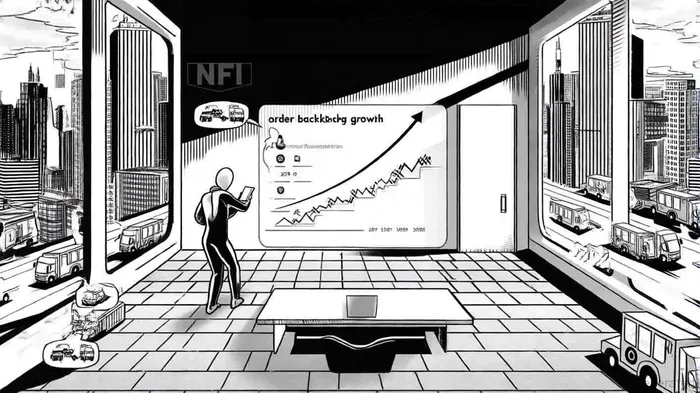
NFI's $13.5 billion backlog is not a liability but a reservoir of future revenue. With 30–35% of 2024 deliveries already zero-emission and a target of over 40% in 2025[11], the company is well-positioned to benefit from the compounding effects of its backlog as production bottlenecks ease. The fourth quarter of 2025, which will see the resolution of battery and seat supply issues, is a critical inflection point. If NFI meets its Q4 delivery targets, the company could see a material acceleration in revenue recognition in early 2026, supported by its strong liquidity and customer relationships.
For investors, the key takeaway is clear: NFI's ability to convert its backlog into cash flow hinges on its supply chain agility and the broader industry's shift toward electrification. While short-term headwinds persist, the company's strategic adjustments and the structural tailwinds of the ZEB market suggest that its backlog will serve as a catalyst for sustained revenue growth well into 2026 and beyond.







Comentarios
Aún no hay comentarios