
Nexstim's Strategic Move into Pediatric Neurostimulation: A High-Growth Opportunity in an Underpenetrated Market
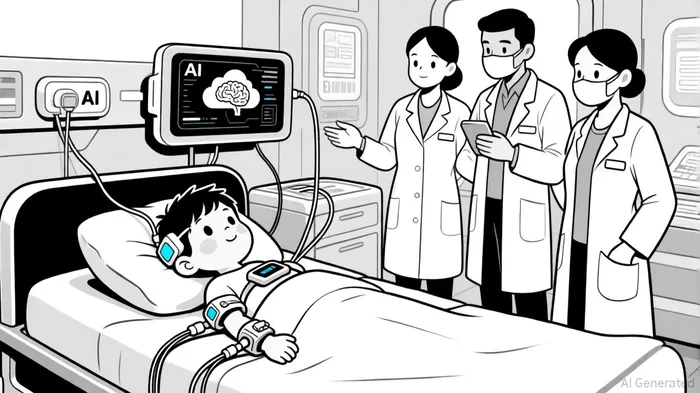
The global pediatric neurostimulation market is poised for robust growth, projected to expand from $2.5 billion in 2024 to $3.28 billion by 2029, driven by rising autism prevalence, advancements in wearable technology, and the integration of artificial intelligence (AI) in diagnostics and remote monitoring [1]. For companies like Nexstim, a leader in navigated transcranial magnetic stimulation (nTMS) and deep brain stimulation (DBS), this represents a compelling opportunity to capture market share in a segment that remains underpenetrated despite its high unmet medical need.
Market Dynamics and Nexstim's Position
Nexstim's core expertise lies in non-invasive neurostimulation for preoperative brain mapping and therapeutic applications such as major depressive disorder (MDD) and chronic pain. However, the company's recent foray into pediatric neurostimulation marks a strategic pivot. In 2025, Nexstim secured an order for its NBS System 5 from a pediatric hospital in the Southwestern U.S., a system tailored for children with features like a speech module (NexSpeech®) and a child-friendly environment for mapping or treatment sessions [2]. This development aligns with broader industry trends, including the demand for wearable neurostimulation devices and AI-driven personalized care, which are reshaping the pediatric neurology landscape [1].
The pediatric neurostimulation market faces significant challenges, including limited FDA-approved devices for children and reliance on off-label use of adult-targeted technologies. According to a 2025 study, ethical concerns, small trial populations, and financial disincentives have hindered innovation in pediatric-specific devices [3]. Nexstim's NBS System 5, with its adaptability for pediatric use, addresses some of these gaps by offering non-invasive, customizable solutions. The system's ability to integrate with activities like playing with toys during sessions underscores its focus on patient comfort—a critical factor in pediatric care.
Innovation and Strategic Collaborations
Nexstim's innovation pipeline further strengthens its market capture potential. The company's NBS 6 system, cleared by the FDA and CE marked in Europe, is expanding into therapeutic applications beyond depression and pain, including Alzheimer's disease through its collaboration with Sinaptica and Bittium on the SinaptiStim® neuromodulation system [4]. While this partnership targets adult neurodegenerative conditions, the technological advancements in precision neuromodulation and AI-driven diagnostics could be adapted for pediatric applications, such as treating epilepsy or developmental disorders.
The broader neurostimulation market is expected to grow from $12.3 billion in 2025 to $19.6 billion by 2034, fueled by advancements in minimally invasive therapies and the adoption of neuromodulation for chronic conditions [5]. Nexstim's focus on refining stimulation techniques, extending battery life, and miniaturizing devices positions it to capitalize on these trends. For instance, the integration of cloud-based platforms for remote monitoring—similar to NXTSTIM's EcoAI Digital Care Ecosystem—could enhance Nexstim's offerings by enabling real-time data sharing with healthcare providers and improving patient outcomes [6].
Risks and Opportunities
Despite its strengths, Nexstim faces hurdles in the pediatric segment. The lack of FDA-approved devices for children means regulatory pathways remain complex, and reimbursement models for pediatric neurostimulation are still evolving. However, initiatives like the FDA's Humanitarian Device Exemption and Real-World Evidence programs are streamlining approvals for niche pediatric devices, creating a more favorable environment for companies like Nexstim [3].
The company's recent order for the NBS System 5 demonstrates its ability to penetrate pediatric markets, but scaling this success will require targeted clinical trials and partnerships with pediatric hospitals. Nexstim's existing reputation in neurosurgical planning and its commitment to expanding therapeutic indications provide a strong foundation for this transition.
Conclusion
Nexstim's expansion into pediatric neurostimulation is a calculated move into a high-growth, underpenetrated segment. By leveraging its technological expertise in nTMS and DBS, adapting its systems for pediatric needs, and aligning with industry trends like AI and remote monitoring, the company is well-positioned to capture a significant share of this market. While challenges remain, the growing demand for pediatric neuromodulation solutions and Nexstim's proactive innovation pipeline suggest a promising trajectory for long-term growth.







Comentarios
Aún no hay comentarios