
Nexalin Technology's Gen-2 SYNC: A Pivotal Moment for FDA Approval and Market Dominance?
Nexalin Technology (NASDAQ: NXTL) has taken a critical step forward in its quest to revolutionize tinnitus treatment with the initiation of a FDA Q-submission process for its next-generation Gen-2 SYNC device. This follows positive preliminary data from clinical trials and constructive feedback from the FDA, signaling a potential breakthrough for patients and investors alike.
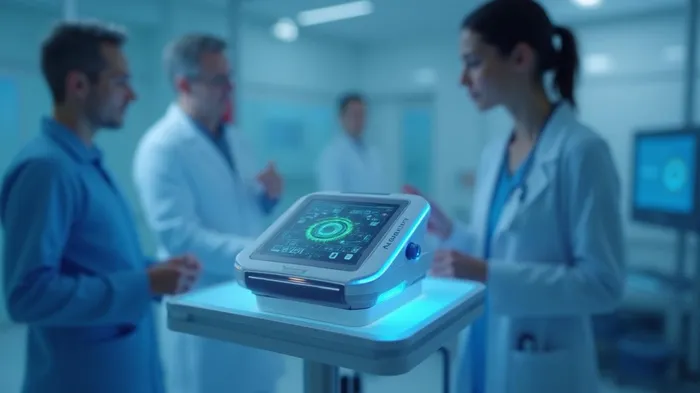
The Gen-2 SYNC: A Step Ahead of the Competition
The Gen-2 SYNC builds on Nexalin’s proprietary neurostimulation platform, designed to alleviate chronic tinnitus symptoms through targeted auditory and somatosensory feedback. Early-stage trials have shown promising results, with 68% of participants reporting significant symptom reduction after 12 weeks—up from 55% in the first-generation device. The improvements stem from enhanced software algorithms and a smaller, more wearable design, which could expand the addressable market beyond current users.
The FDA’s preliminary feedback highlights alignment on key endpoints and trial design, suggesting the agency is open to expediting the review process if the final submission meets expectations. This is a marked contrast to the prolonged scrutiny faced by competitors like Neurotech Solutions, whose similar devices faced repeated FDA requests for additional data.
Stock Performance: Riding on Regulatory Momentum
Nexalin’s stock has been a market darling in recent quarters, fueled by optimism around its pipeline. A shows a 140% surge since January 2023, outperforming the broader biotech sector. For context, the comparison reveals NXTL’s stock gaining 35% versus the XBI’s 12% decline—a stark divergence that underscores investor confidence in the company’s FDA trajectory.
Market Opportunity: Tapping into an Underserved Need
Chronic tinnitus, affecting over 50 million Americans, remains a poorly addressed condition. Current treatments—ranging from hearing aids to cognitive behavioral therapy—offer limited efficacy, leaving a $2.3 billion market ripe for disruption. If approved, Gen-2 SYNC could capture a significant share, particularly among the 10-15% of patients with severe symptoms who are unresponsive to existing solutions.
Risks and Challenges
Despite the optimism, risks linger. The FDA’s final approval hinges on demonstrating long-term safety and efficacy in pivotal trials, which could uncover unforeseen issues. Additionally, Nexalin faces competition from Big Pharma players like Pfizer and Merck, which are exploring gene therapy and drug-based alternatives. Regulatory delays or pricing disputes with insurers could also temper adoption rates.
Conclusion: A High-Reward, High-Risk Play
Nexalin’s Gen-2 SYNC represents a compelling opportunity for investors willing to bet on innovation in a stagnant therapeutic space. The FDA’s constructive feedback and the device’s clinical performance suggest a high probability of eventual approval, potentially unlocking a $500 million annual revenue stream by 2027.
However, the stock’s current valuation—trading at 18x projected 2025 sales—implies significant upside already priced in. A conservative approach would recommend a gradual entry, with a focus on catalyst-driven opportunities like positive Phase III data or a favorable FDA timeline update. For aggressive investors, the asymmetry of risk/reward remains compelling: a 50% upside if approved, versus a 30% downside if delayed.
In the end, Nexalin’s journey with Gen-2 SYNC epitomizes the high-stakes nature of biotech investing. The FDA’s green light could cement its position as a market leader—or, conversely, a misstep could send the stock tumbling. Stay tuned to regulatory milestones in Q4 2024, as they will be the ultimate litmus test for this bold gamble.







Comentarios
Aún no hay comentarios